

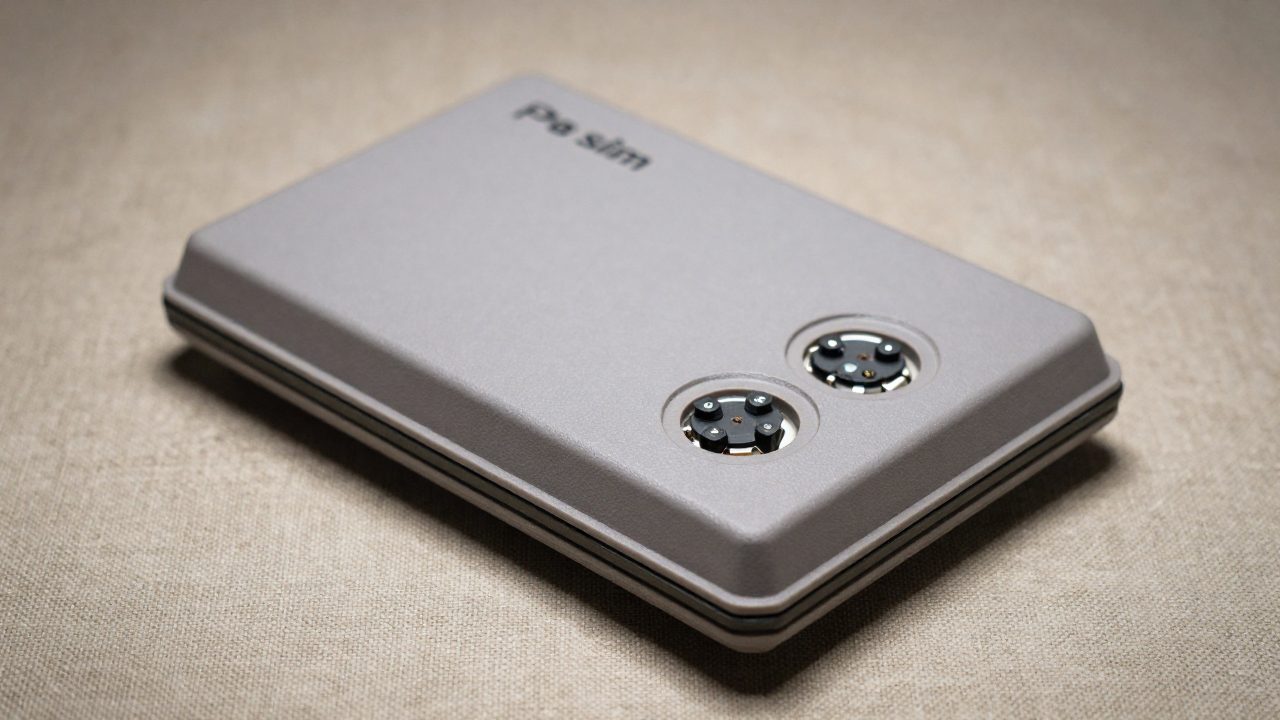
A search for the “best modchip” for a PlayStation 2 Slim often begins with a practical question: what exactly is this console, and what can be done with it today? A responsible answer is not a shopping list or an installation guide. Modchips historically altered how consoles handled software authentication and region restrictions. That can overlap with lawful repair, research, preservation, and personal homebrew, but it can also be used to bypass copyright controls. Laws differ by country and change over time. This guide does not recommend chips, provide solder points, describe bypass steps, or link to unauthorized game sources.
Identify the console first
“PS2 Slim” is not one hardware revision. Sony sold slimline systems across the SCPH-700xx, 750xx, 770xx, 790xx, and 900xx families, with regional suffixes and internal changes. The label on the underside or rear is the first useful record. Photograph it, record the full SCPH number and suffix, and note the region. A number below 70000 generally identifies the larger original chassis; a number at or above 70000 identifies a slimline family. That broad distinction is useful, but it does not establish motherboard, optical-drive, or firmware details.
Internal revisions matter because parts and behavior changed during production. A later slim may not respond like an earlier one even when the case looks similar. The 900xx line includes late revisions with changes relevant to memory-card boot behavior. Treat claims that something works on “all Slims” as incomplete unless they name the exact model and revision. If the system has already been opened, an experienced repairer can document board markings and cable condition without altering anything. Do not open a working console merely to chase a feature you may not need.
What a modchip historically changed
A modchip was an internal modification that interacted with startup and disc authentication. Discussions commonly include import discs, copied discs, unsigned software, and region behavior. Those are precisely the areas where technical capability and legal permission diverge. Owning a console or original disc does not automatically make every circumvention method lawful. Copyright law, anti-circumvention rules, contracts, and consumer-rights exceptions vary. If a project involves copying, region changes, or bypassing a technical measure, consult current law for the country where the console is used rather than relying on an old forum post.
A chip is also not a general upgrade. It cannot repair worn optical components, corrupted memory cards, failing power supplies, damaged ports, or a dirty disc. A poor installation can lift pads, damage traces, obstruct shielding, short nearby points, or create intermittent boot faults. An old installation in a second-hand machine is evidence to document, not an invitation to change unknown settings. Preserve photos, avoid pulling wires, and seek a console-repair specialist if the system behaves unpredictably.
Repair first, modification second
Start with ordinary maintenance. Test known-good, lawfully obtained discs; inspect the exterior cable and power supply for damage; and keep dust-removal methods appropriate to electronics. Record whether the console reads CDs, DVDs, audio discs, or none, whether it powers consistently, and whether faults appear when warm. That is more useful to a repair technician than a vague description of a bad chip. Use the original power-supply specification and a correctly rated replacement. A random adapter with a fitting plug can have the wrong voltage, polarity, or current capability.
For a system with an unknown internal modification, avoid repeated power cycling, improvised resets, and internet-supplied button combinations. They may not reveal what is installed and can complicate diagnosis. If the owner’s goal is simply to play legitimately owned discs, restoring stable stock-like operation or repairing the optical system may be the best outcome. Ask a qualified repairer for an assessment of the board, laser, drive mechanism, and power path before authorizing invasive work.
Homebrew and preservation boundaries
Homebrew is software created by independent developers for a platform. It can support research, diagnostics, controller testing, media playback, programming experiments, and preservation documentation. It does not grant permission to download commercial games, distribute copyrighted game data, or defeat protections where law prohibits it. A responsible preservation project begins with records: model number, region, private serial record, photographs, accessory list, purchase history, and condition notes. Keep original discs and packaging dry, upright, and away from heat and direct sun.
What identification tools can tell you
Identification software can collect hardware information such as ROM, controller, and board details for research. It can help a community-maintained database obtain a precise model report, but it is not proof that every alteration is safe or legal. Reports can be incomplete or misleading after prior repair, and databases are not warranties. Do not publish a full serial number or personal purchase information in a public support post. Share only the details a project explicitly requests, and remove personal identifiers from photographs and logs.
Separate four questions: what model is this, what condition is it in, what goal is legitimate, and what intervention is proportionate? A model chart might answer the first but not the other three. A community post may describe a technical result but not apply to your region, board revision, or legal situation. Slowing down at this stage prevents the common mistake of buying an incompatible part because a listing used the word Slim.
Safe ownership checklist
- Record the full SCPH model, region, and visible condition.
- Test only known-good, lawfully obtained media and accessories.
- Address ordinary repair issues before considering invasive work.
- Do not rely on a generic “works with Slim” listing.
- Keep homebrew, preservation, and copyright questions separate from piracy claims.
- Use qualified repair help for board-level work or unknown prior modifications.
The useful conclusion is not that there is one best modchip. Compatibility, legality, risk, and purpose depend on the individual console and the owner’s jurisdiction. For most owners, careful identification, lawful media, routine repair, and responsible preservation produce a better result than a rushed internal modification.