

As an Amazon Associate and eBay Partner, toptenpick.com earns from qualifying purchases. Prices and availability are subject to change.
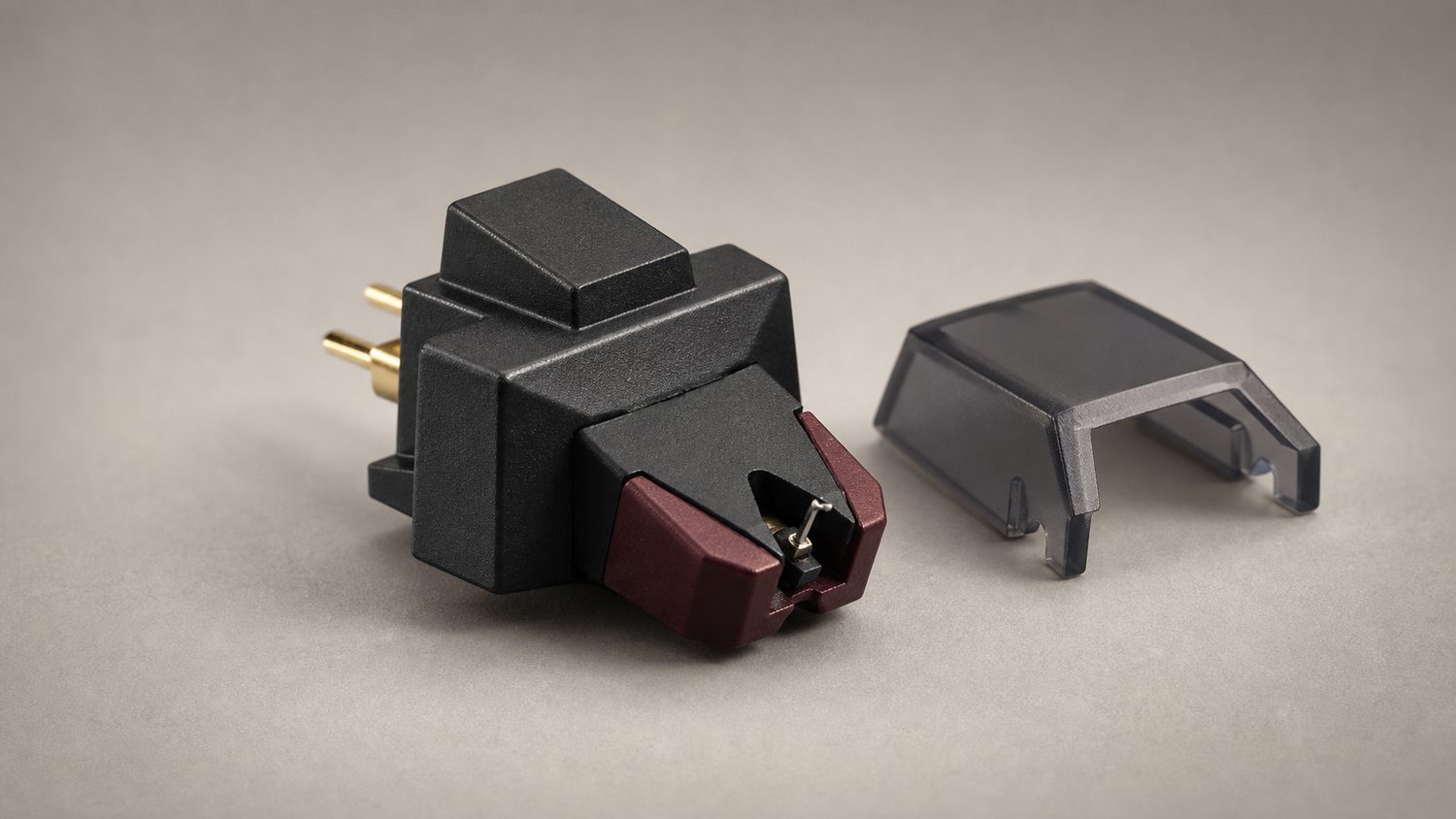
The Stanton 500 tracks at 3 to 7 grams, and that single number tells you almost everything about what this cartridge is and is not. A hi-fi moving-magnet cartridge tracks somewhere around 1.5 to 2 grams. The 500 is specified at two to four times that, deliberately, because it was built for a DJ: heavy downforce keeps the stylus in the groove when the record is being pushed backwards, scratched, or played on a vibrating booth next to a bass bin. It is a robust tool, and it is the wrong tool for playing a record you care about preserving. Groove wear is a function of force and contact area, and a heavy spherical tip pressed hard is not kind to vinyl.
So before choosing a stylus, decide which job you are doing. For scratching and beatmatching, spherical is correct. A conical or spherical tip is blunt, tough, tolerant of being dragged backwards, and far less likely to jump out of the groove at high force. The standard replacement for this family — the D5107 in its various suffixes — is a 0.7 mil spherical diamond, and that is what most 500-series cartridges ship with.
For listening, elliptical is better and the trade is real. An elliptical tip sits deeper in the groove wall and traces high frequencies more accurately, so it genuinely sounds better. It also has a smaller contact patch, which means more pressure per unit area at the same tracking force, and it is more easily damaged by backcueing. The 500E and EE variants take elliptical styli. Running an elliptical at 5 grams while scratching is how you ruin both stylus and record.
Compatibility is broader than people expect, and that is worth knowing before overpaying. The D5107 stylus family fits across a long list — 500A, 500AA, 500AL and its Mk2, 500E, 505SK, 520SK and others, plus a set of rebadged cartridges sold under different names entirely. If a replacement is described as D5107-type it very probably fits your cartridge, and there are genuine Stanton, licensed and third-party options at very different prices.
One practical thing that matters more than the brand of stylus: set the tracking force with a scale, not by the numbers printed on the counterweight, which drift with age and are frequently wrong. A cheap digital stylus gauge costs a few pounds and is the difference between the specified 3 grams and an accidental 6.
The list runs from genuine replacements through third-party alternatives to the tools that make any of them work properly.
| # | Product | Price | Where to buy |
|---|---|---|---|
| 1 | Stanton D5107AL Genuine Replacement Stylus | $25–$45 | Amazon · eBay |
| 2 | D5107-Type Third-Party Spherical Stylus | $8–$20 | Amazon · eBay |
| 3 | Elliptical Stylus for the 500E / 500EE | $20–$45 | Amazon · eBay |
| 4 | Digital Stylus Force Gauge | $12–$25 | Amazon · eBay |
| 5 | Carbon Fibre Record Brush | $15–$30 | Amazon · eBay |
| 6 | Stylus Cleaning Brush and Fluid | $10–$20 | Amazon · eBay |
| 7 | Spare Cartridge Body with Headshell | $40–$90 | Amazon · eBay |
| 8 | Cartridge Alignment Protractor | $10–$25 | Amazon · eBay |
| 9 | Slipmats | $12–$30 | Amazon · eBay |
| 10 | Hi-Fi Moving Magnet Cartridge (the right tool for listening) | $70–$200 | Amazon · eBay |
The picks, in detail

Stanton D5107AL Genuine Replacement Stylus
The factory part, and the safe default. A 0.7 mil spherical diamond on the original suspension, specified for the 3 to 7 gram range the cartridge was designed around. The reason to pay for genuine rather than generic is the suspension rather than the diamond — compliance is what determines how the stylus behaves at high tracking force, and it is the part third-party makers most often get wrong.
- 0.7 mil spherical diamond
- Rated 3–7 g tracking force
- Fits the whole 500 series and rebadged equivalents
- Original suspension compliance
- Correct compliance for the cartridge body
- Predictable behaviour at DJ tracking forces
- Widely available despite the brand’s changes
- Several times the price of a generic
- Genuine stock has become harder to verify
- Spherical only — no elliptical in this reference
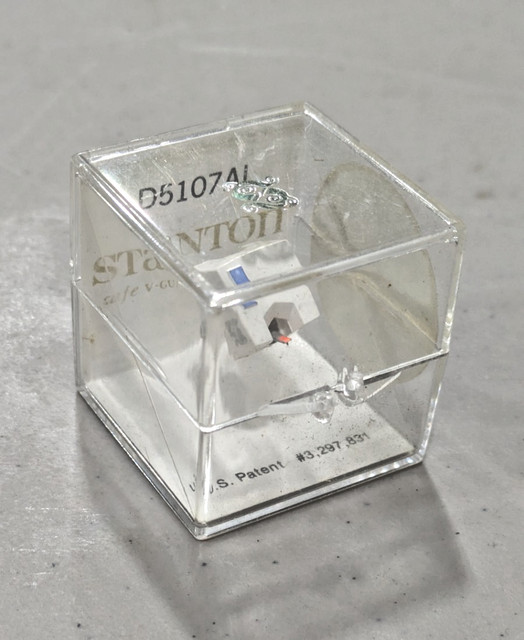
D5107-Type Third-Party Spherical Stylus
The volume option, sold under many names and at a fraction of genuine pricing. For a working DJ stylus that gets replaced regularly this is a rational purchase — the diamond is the cheap part and these are consumables. Quality varies between suppliers, so buy one, listen for sibilance and mistracking, and if it behaves, buy several from the same source.
- 0.7 mil spherical diamond
- Fits 500A, 500AA, 500AL, 505SK and related
- Sold under many brand names
- Usually supplied with a protective guard
- A fraction of genuine pricing
- Sensible for a consumable that wears fast
- Very widely available
- Suspension compliance varies between suppliers
- Diamond polish quality is inconsistent
- No meaningful warranty

Elliptical Stylus for the 500E / 500EE
The listening upgrade, and it genuinely is one. An elliptical tip contacts the groove wall along a narrower line, so it traces high-frequency modulation the spherical tip smooths over — vocals and cymbals audibly gain detail. The cost is fragility and a smaller contact patch carrying the same force, so this belongs on a cartridge used for playback rather than one used for scratching.
- Elliptical diamond profile
- Fits 500E, 500EE and D50E family bodies
- Better high-frequency tracing
- Lower recommended tracking force than the spherical
- Clearly better sound for listening
- Traces inner grooves more accurately
- Same easy stylus swap
- Damaged easily by backcueing and scratching
- Higher pressure per unit area on the groove
- Requires setting tracking force at the lower end of the range
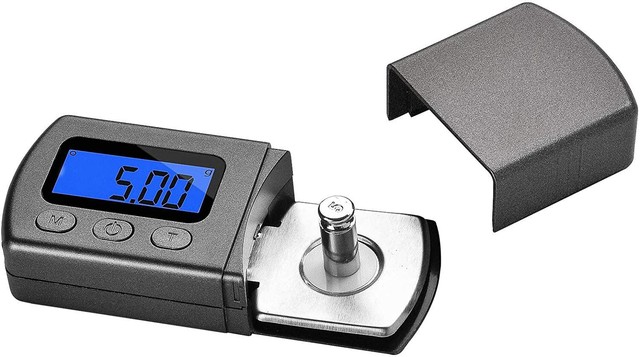
Digital Stylus Force Gauge
The most useful purchase on this page and it is not a stylus. Counterweight markings drift as the rubber ages and were rarely accurate when new, so the number on the dial and the force at the tip diverge over the years — frequently by grams, which on a cartridge specified at 3 is enormous. A digital gauge reading to 0.01 g costs about the same as a generic stylus and turns guesswork into a number.
- Reads to 0.01 g
- Range covering 0 to 5 g or more
- Battery powered with a calibration weight
- Fits on the platter or beside it
- Turns tracking force from a guess into a measurement
- Cheap relative to the records it protects
- Reveals counterweight drift on older arms
- Cheap gauges need their calibration weight checking
- Magnetic platters interfere with some models
- Another thing to keep a battery in
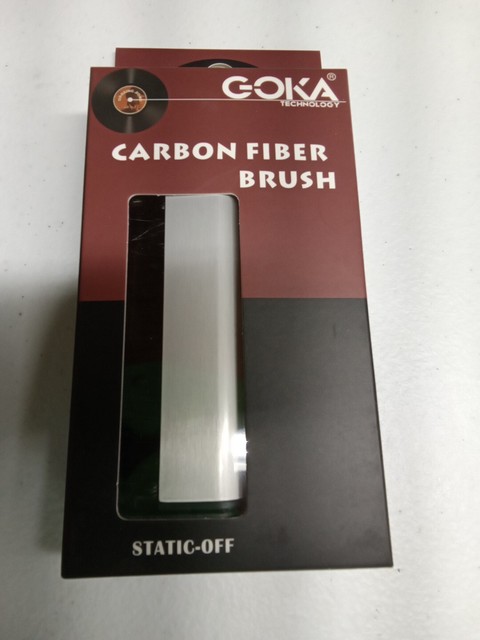
Carbon Fibre Record Brush
Directly relevant to stylus life. Dust in the groove is abrasive, and at 5 grams of tracking force a stylus grinds that dust into both the vinyl and its own diamond. A carbon fibre brush drawn across the record before each play removes surface dust and static in about five seconds. It is the single cheapest thing that extends the life of a stylus and the records it plays.
- Fine carbon fibre bristles
- Dissipates static as it sweeps
- Retracting handle on most designs
- Lasts for years
- Extends stylus life by removing abrasive dust
- Five seconds per side
- Also reduces static crackle
- Does nothing for dirt already embedded in the groove
- Bristles need cleaning periodically
- Not a substitute for wet cleaning on charity-shop records
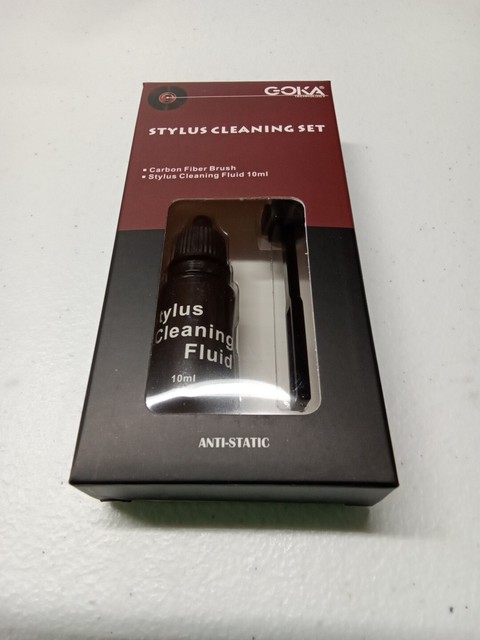
Stylus Cleaning Brush and Fluid
A stylus with a bead of compacted dust on the tip sounds dull and mistracks, and at DJ tracking forces that dust is being welded on rather than brushed off. A small stiff brush used back to front — never side to side, which stresses the cantilever — plus a drop of dedicated fluid keeps the tip clean. Clean it before each session rather than when it starts sounding wrong.
- Fine stiff brush with a shallow handle
- Alcohol-based cleaning fluid
- Some kits include a magnifier
- Use back to front only
- Restores tracking and treble in seconds
- Very cheap
- Prevents dust being ground into records
- Brushing sideways can damage the cantilever
- Excess fluid can wick into the suspension
- Needs doing regularly to be worth anything

Spare Cartridge Body with Headshell
The professional approach, and it solves a real problem: swapping a stylus mid-set is fiddly, and swapping a whole headshell takes seconds. Keeping a second 500-series body mounted and aligned in a spare headshell — one with a spherical stylus for scratching and one with an elliptical for playback — means you change the whole assembly rather than fighting a stylus in a dark booth.
- Complete cartridge on a pre-wired headshell
- Swaps in seconds on an SME-style arm
- Allows different styli set up simultaneously
- Sold pre-aligned by some suppliers
- Swap takes seconds rather than minutes
- Keeps a scratching and a listening setup both aligned
- Spare in case of a damaged stylus mid-set
- Roughly doubles the cartridge cost
- Each headshell needs its own alignment and force setting
- Only works on arms with a removable headshell

Cartridge Alignment Protractor
Tracking force is half the setup; alignment is the other half, and at these forces a misaligned cartridge wears one groove wall noticeably faster than the other. A printed or acrylic protractor costs very little and sets overhang and offset angle properly. It is a ten-minute job done once per cartridge, and it is the difference between even wear and a record that develops distortion on one channel.
- Two-point or arc protractor
- Printed card, acrylic or mirrored versions
- Sets overhang and offset angle
- Works with most standard tonearms
- Prevents uneven groove wear
- Cheap and reusable across cartridges
- Improves tracking through inner grooves
- Fiddly the first time
- Needs good light and patience
- Printed versions must be printed at exactly 100 percent scale

Slipmats
Included because the stylus and the mat are part of the same system. A slipmat lets the record turn independently of the platter for cueing and scratching, and at 5 grams of tracking force the friction between record and mat determines how hard the stylus is fighting to stay in the groove. A worn, gritty mat is also a direct source of the dust the stylus then grinds into the vinyl.
- Felt or synthetic slip surface
- Sold in pairs
- Various thicknesses affecting VTA slightly
- Washable
- Essential for cueing and scratching
- Cheap and easy to replace
- Thickness can fine-tune arm height
- Collects dust that transfers to records
- Thick mats alter vertical tracking angle
- Cheap felt sheds fibres onto the stylus
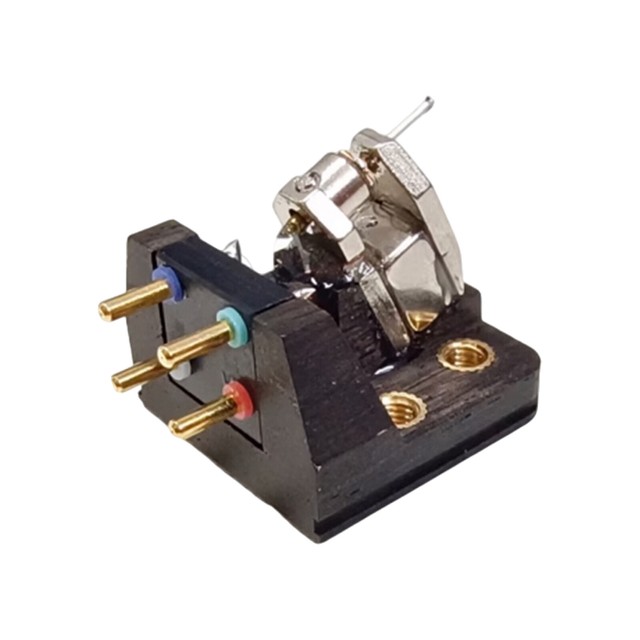
Hi-Fi Moving Magnet Cartridge (the right tool for listening)
Named honestly because a lot of people arrive here with a Stanton 500 on a turntable they use for listening, and the cartridge is the reason their records are wearing. A modern hi-fi moving-magnet cartridge tracks at around 1.5 to 2 grams with an elliptical tip and sounds substantially better on playback. If nobody is scratching on this deck, that is the upgrade rather than another 500-series stylus.
- Typical tracking force 1.5–2 g
- Elliptical or finer stylus profiles
- Standard half-inch mounting
- User-replaceable stylus on most
- Far gentler on records than a DJ cartridge
- Clearly better sound quality for playback
- Replaceable stylus keeps running costs sensible
- Will skip if you attempt to scratch with it
- Needs careful alignment and force setting
- More expensive than a replacement 500 stylus
Buying tips
- Know the number: the Stanton 500 is specified at 3 to 7 grams. That is a DJ tracking force, two to four times a hi-fi cartridge, and it is deliberately heavy so the stylus stays in the groove when the record is pushed backwards.
- Choose spherical for scratching and elliptical for listening. Spherical is blunt and tough; elliptical traces detail better but has a smaller contact patch carrying the same force and is easily damaged by backcueing.
- Look for D5107-type when shopping. That stylus family covers the 500A, 500AA, 500AL and its Mk2, 505SK, 520SK and a long list of rebadged cartridges, so compatibility is wider than most listings suggest.
- Set tracking force with a digital gauge, not the counterweight markings. Those drift as the suspension ages and are frequently wrong by a gram or more, which is enormous at this specification.
- Align the cartridge with a protractor. At these forces a misaligned stylus wears one groove wall faster than the other and produces distortion that sounds like a worn record.
- Brush every record before playing it. Dust is abrasive and at 5 grams the stylus grinds it into the vinyl and into its own diamond.
- Clean the stylus back to front only, never side to side. Sideways pressure stresses the cantilever, and a bent cantilever is a new stylus.
- Change to a hi-fi cartridge if nobody is scratching on this deck. A 500 on a listening turntable is the reason the records are wearing, and a 2-gram moving magnet is both gentler and better sounding.
As an Amazon Associate and eBay Partner, toptenpick.com earns from qualifying purchases. Prices and availability are subject to change.