

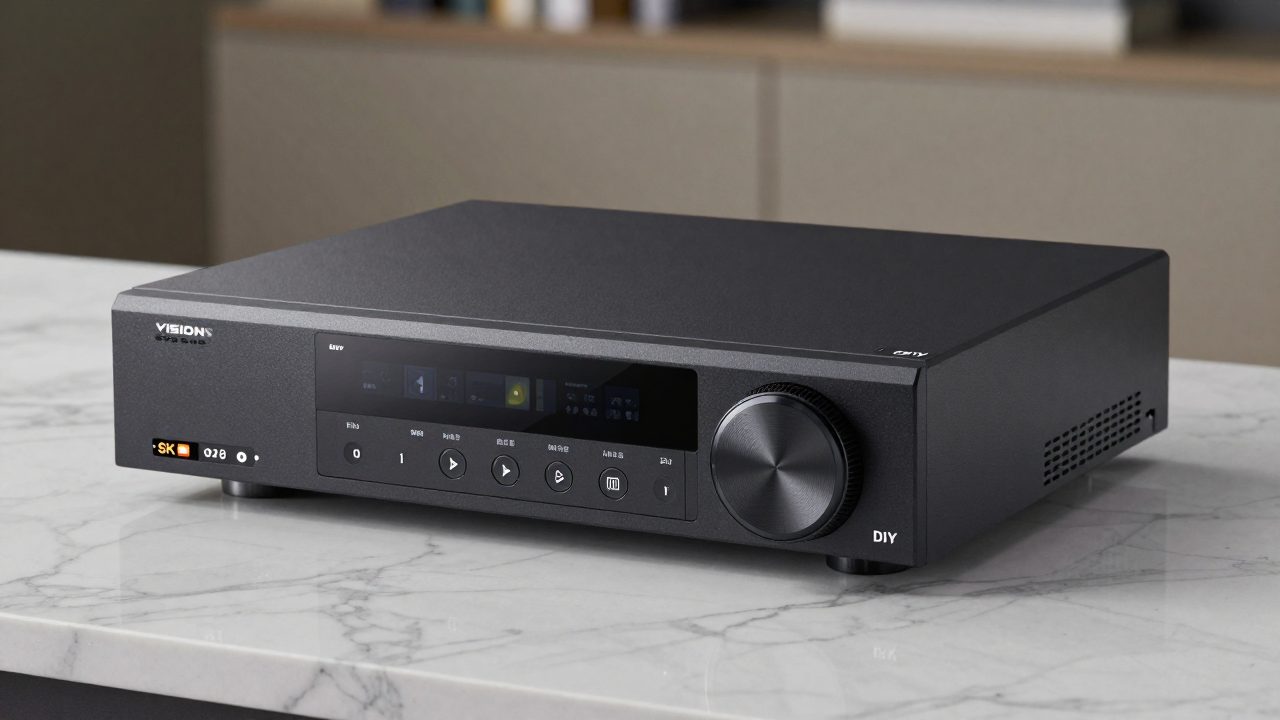
If you searched for “Visions Systems SK-DVR DIY,” you’re likely thinking of the Best Vision Systems SK-DVR-DIY — a real product, but an old one. It was an 8-channel analog DVR kit from around 2014-2015: D1-resolution recording, 800TVL bullet cameras, and long runs of Siamese BNC coax-and-power cable between the cameras and the recorder. A handful of resellers (including the original manufacturer’s own site, bvsecurity.com) still list it, but the underlying technology — analog D1/800TVL over coax — has been superseded across the entire industry by IP camera systems that run over PoE (Power over Ethernet) network cable at 4K resolution. We’re not going to recommend chasing down a decade-old analog kit for a new install in 2026. Here’s what to actually look at instead, and how to think about a DIY DVR or NVR system generally.
DVR vs. NVR: which one you actually want
A DVR (Digital Video Recorder) works with analog cameras connected over coaxial cable — the technology the old Best Vision Systems kit used. A NVR (Network Video Recorder) works with IP cameras connected over Ethernet, usually via PoE so a single cable carries both power and data to each camera. For a new DIY install today, an NVR/PoE system is almost always the better choice: sharper video, easier cable runs (no separate power cable needed at each camera), and a much more active current product lineup. The main reason to still consider a DVR is if you’re adding onto an existing analog system that’s already wired with coax throughout a property.
Current brands worth comparing
- Reolink is a strong first choice for a plug-and-play PoE NVR kit with no monthly subscription fee required for local recording. An 8-channel PoE NVR bundled with four 4K cameras (the RLK8 series) runs around $500 for a full home install.
- Lorex offers a broader catalog spanning both analog DVR kits and newer hybrid/NVR systems, plus a touchscreen smart-home hub option. An 8-channel NVR with four 4K cameras runs closer to $750.
- Swann still sells both DVR and NVR kits side by side, which is useful if you specifically need to extend an older analog Swann system, alongside newer AI-feature NVR kits.
- Amcrest is popular with more technical DIY users because its NVRs document their HTTP CGI API and support third-party integration with tools like Home Assistant and Frigate, beyond just Amcrest’s own app.
- Night Owl and ANNKE both sell budget-friendly 8-channel PoE NVR kits bundled with cameras and a pre-installed hard drive, aimed at buyers who want a complete out-of-box kit without assembling a system piece by piece.
What actually matters when comparing kits
- PoE vs. plug-in power at each camera. A PoE NVR kit only needs one Ethernet cable run to each camera; a plug-in-power camera needs both a data connection (or Wi-Fi) and a nearby power outlet, which is a real limitation for exterior cameras far from the house.
- Local storage vs. subscription. Most NVR kits record locally to an included or user-added hard drive with no monthly fee — confirm this before buying if avoiding subscriptions matters to you, since some brands push cloud plans as the default.
- Channel count vs. camera count. An “8-channel” NVR supports up to 8 cameras, but many kits ship with only 4 cameras included — check how many are in the box versus how many the recorder can ultimately support if you plan to expand later.
- Resolution. 4K (8MP) is now the common tier on current kits; the old analog D1 resolution the original SK-DVR-DIY used is roughly 700×480 — a large, noticeable step down in image detail useful for identifying faces or license plates.
If you’re specifically trying to add cameras to an existing Best Vision Systems SK-DVR-DIY setup, look for 800TVL analog bullet cameras with the same BNC/Siamese cable connector — they’re still sold by CCTV specialty retailers even though the base kit itself is no longer a current product. For any new installation, though, a modern PoE NVR kit from one of the brands above will cost about the same or less and deliver meaningfully better video.