

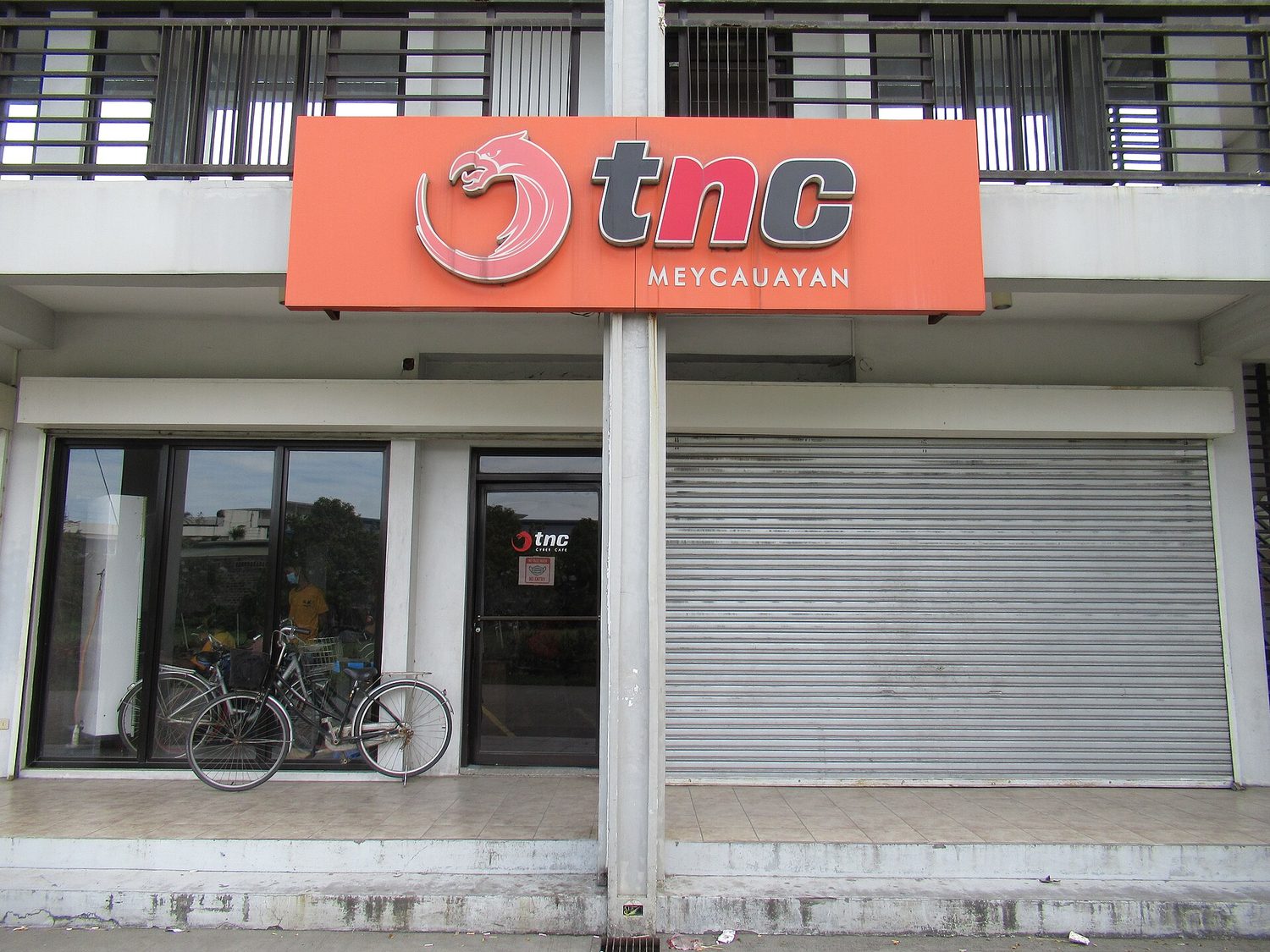
A cyber cafe name has to do more work than a clever sign. It must be easy to say over a phone, legible from the street, findable in a map search, distinctive enough not to be confused with a nearby coffee shop, and flexible enough if the business grows beyond hourly computer access. First decide what the customer is buying: internet and printing, study space, gaming, coffee, or practical services. The name should point to that promise without claiming a service you do not offer.
Choose a naming lane before brainstorming
The simplest lane is descriptive: words such as network, print, study, hub, station, byte, or the neighborhood name tell a first-time visitor what to expect. A descriptive name can be easy to understand but harder to protect because many competitors can honestly use similar language. A more distinctive coined or unexpected name is often easier to separate from competitors, but it needs a clear subtitle on the sign and map profile, such as “Riverview Link — Internet, Printing & Coffee.” Neither style is automatically better; match it to how much local recognition you already have.
Use the name ideas in this guide as patterns, not as cleared business names. For example, [Neighborhood] Link Hub combines location, connection and a gathering place; Pixel & Pour signals a computer-and-coffee concept; Study Signal fits a quiet work-focused venue; GameGrid Cafe suggests gaming; and [Town] Print & Net is direct for a service counter. Brackets are intentional: replace them with your own locality only after checking local conflicts. Do not print a sign simply because a phrase sounds unused in a brainstorming session.
Make it easy to hear, spell, and search
Read every finalist aloud to someone who has not seen it. If they cannot spell it after one hearing, it will create friction in map searches, email addresses, social handles, and word-of-mouth referrals. Avoid strings of numbers, ambiguous punctuation, deliberate misspellings, and names whose spoken form could map to several spellings. “WiFi4U” may fit on a sign, but a customer may search Wi-Fi For You, Wifi 4 You, or WiFi Four U. A short two- or three-word name is usually easier to remember than a sentence-length slogan.
Describe the offer accurately
“Cyber cafe” can mean different things in different cities. Some customers expect public PCs, scanning, printing, gaming, or assisted online applications; others expect espresso and a laptop-friendly table. A name like GameGrid Cafe creates a gaming expectation, while Print & Net makes practical services the lead promise. If the business offers coffee but no public computers, avoid a name that suggests an internet-access center. If it rents computers but does not prepare food, make that clear in the descriptor rather than allowing “cafe” alone to create an expectation you cannot meet.
Names anchored to a neighborhood or transit stop can be especially useful for a local business, but leave enough room for a second branch. “Oak Street Link Hub” is strong for a single site; “Oak Link” or “Link Hub” may travel more easily. Do not choose a generic citywide phrase solely to sound scalable if every customer will find you by the block. The name should still distinguish this location from a home connection, library, coworking space, or ordinary coffee shop.
Run a real conflict check before committing
A free domain or an unused social handle is not legal clearance. The U.S. Patent and Trademark Office explains that a domain name, a business-name registration, and a trademark are different things; registering a domain does not itself create trademark rights and can still lead to a dispute. Search the USPTO Trademark Search database for the exact phrase, obvious spacing changes, singular/plural forms, phonetic equivalents, and close visual variants. Then look closely at services related to yours, not merely identical words in unrelated fields.
Federal records are only one layer. Search your state business-entity and assumed-name database, state trademark records where available, the local county or city filing process, Google Maps, ordinary web search, major social platforms, and the local business directory. A business with earlier local use may matter even if it has no federal registration. Search the surrounding towns too: customers can reasonably confuse two similarly named computer-and-coffee businesses in the same metro area. If a result is close enough that a caller could book the wrong place or a customer could assume the businesses are affiliated, choose another candidate or seek qualified legal advice.
Check the domain and handles without overvaluing them
After conflict screening, check a registrar for the domain you actually want and the social platforms you intend to use. Prefer a short, readable address over a pile of hyphens or numbers. A domain purchase is a technical reservation, not permission to trade under the name.
Validate locally before money changes hands
Put the top three candidates in front of prospective customers, not just friends. Ask what service they expect, how they would spell the name, and which one they would search for. Test a simple black-and-white sign mockup at the intended viewing distance. Check whether automated map listings or voice assistants turn the name into something different. A good result is not the name that receives the most compliments; it is the one people can repeat, spell, connect to the service, and distinguish from nearby businesses.
Before ordering signage, menus, furniture, or a domain, confirm the required local business registration, zoning, food-service, computer-access, gaming, and privacy rules for your jurisdiction. Those rules vary substantially. If you plan to build a brand beyond one neighborhood, an attorney who works in trademarks can evaluate the specific mark and the relevant services. This guide is a practical screening process, not legal advice or a promise that any example is available.
A concise final checklist
- State the core offer in plain language: access, printing, study, gaming, coffee, or a combination.
- Keep the spoken name short, pronounceable, and easy to spell.
- Check exact and similar marks in the USPTO database and the relevant local and state records.
- Search maps, the web, and nearby towns for earlier real-world use.
- Check domains and handles only after conflict screening; availability is not trademark clearance.
- Test the finalists with local customers and a real sign mockup before investing.