

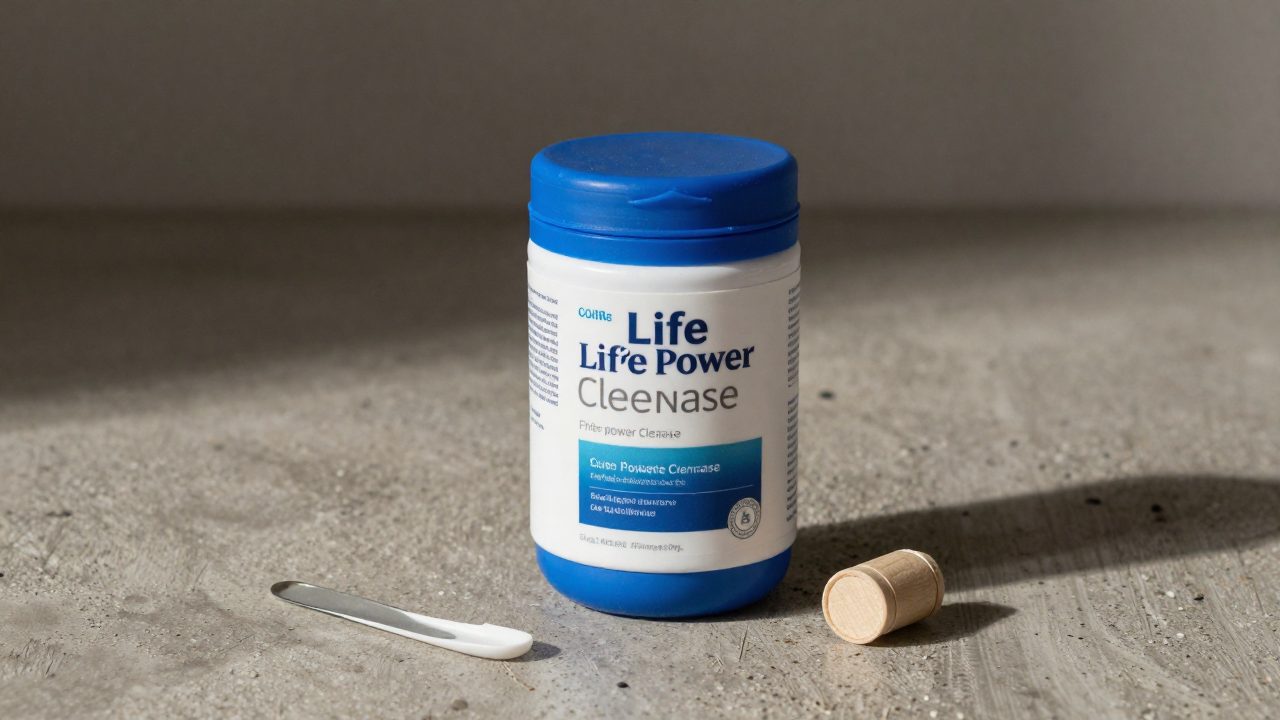
The exact identity behind the phrase Best Life Power Cleanse cannot be established from a complete, attributable package label, a named responsible company, a clear ingredient declaration, or a consistent current product record. Those omissions prevent a responsible performance review. A descriptive health phrase is not enough to establish what the formula is, whether it has changed over time, or whether claims attached to the phrase apply to one particular item.
Start with an identifiable product
A useful evaluation needs more than a slogan. For a dietary supplement, begin with the complete product name, the company responsible for it, the form and net contents, the serving size, the full Supplement Facts panel, the other-ingredients statement, directions, warnings, and a lot or batch reference where supplied. These details establish whether two mentions actually concern the same formula. A photograph of only the front panel, a copied testimonial, or a page that changes the name between sections cannot fill in that missing identity.
Federal labeling guidance treats the Supplement Facts panel as the nutrition label for dietary supplements. It is where the dietary ingredients and their amounts per serving should be stated. Required package information also includes an ingredient list and the name and place of business of the manufacturer, packer, or distributor. If those basics are unavailable or cannot be read, there is no sound basis for comparing ingredients, interpreting directions, or deciding what a personal experience report refers to.
Why the word cleanse is too vague
Cleanse is a marketing description rather than a precise product category. It may describe a beverage, a fiber preparation, a botanical blend, a restrictive diet plan, or something else entirely. The word by itself does not identify an active ingredient, a dose, a duration, or a measurable purpose. Products placed under the same label can therefore have very different practical effects and different cautions. A careful reader should ask what is actually in the package before drawing conclusions from the name.
Broad terms such as detox, reset, flush, or power formula can make an ordinary claim sound more definite than it is. They do not name a substance being addressed, a validated measurement, or a specific result that can be independently assessed. The body already has systems involved in processing and eliminating waste. A dramatic narrative about feeling different after changing food, fluid intake, routine, or activity does not by itself show that a named preparation caused the change.
Read the label before the promise
Place the claim next to the exact ingredient information. Confirm that every dietary ingredient is named, that an amount is given for each serving, and that the serving size is clear. A collective blend name can conceal how much of each component is present. The label should also make the intended frequency and duration understandable. Confusing directions, missing warnings, and labels that cannot be matched to the package are reasons to stop and seek clearer information rather than infer the missing details.
Dates and batch references matter because formulations and packaging can change. Older commentary may concern a version with different ingredients or different directions. A serious assessment identifies the version examined instead of treating all material with a similar title as interchangeable. Keep the package if an unwanted reaction occurs, since the label and lot information can help a clinician or pharmacist understand what was taken.
Claims need evidence, not enthusiasm
Dietary supplement companies are responsible for ensuring their products are safe and their labeling is not misleading, but dietary supplements are not approved by the Food and Drug Administration for safety and effectiveness before they reach consumers. That distinction is important when a page presents a claim as if it were a medical conclusion. A claim to diagnose, treat, cure, or prevent disease belongs to a different regulatory category from a general description of a dietary ingredient.
Be particularly cautious with claims about rapid weight change, parasites, heavy metals, chronic digestive symptoms, hormone conditions, or a substitute for medical care. Before-and-after images and enthusiastic personal accounts do not control for illness, ordinary fluctuation, changes in meals, exercise, sleep, fluid intake, or other supplements. A high rating is a record of opinions, not clinical evidence. Look for the exact version, ordinary details of use, and whether the writer describes the label rather than repeating a sweeping health promise.
Safety depends on the person and formula
Ingredients commonly used in digestive or weight-management preparations may include fiber, sugars or sugar alcohols, caffeine or other stimulants, concentrated botanicals, and ingredients that affect bowel activity. The relevant safety questions depend on the actual formula and amount, not on whether the front label uses a reassuring word such as natural. Natural describes origin; it does not establish that an ingredient is appropriate for every person or every combination of medicines.
Pregnancy, breastfeeding, kidney or liver disease, diabetes, bowel conditions, a history of disordered eating, and regular use of prescription or nonprescription medicines all warrant individualized advice from a qualified clinician or pharmacist before taking a supplement. Combining several preparations with overlapping ingredients can make the total exposure unclear and can make it harder to identify the cause of a problem. Do not assume that a shorter course, a smaller serving, or a familiar ingredient removes every concern.
When health advice should come first
Persistent or severe abdominal pain, bleeding, fainting, fever, repeated vomiting, marked weakness, signs of dehydration, or unexplained weight change deserve prompt medical attention. A vague wellness phrase is not a reliable way to assess those symptoms. If a reaction follows use of a supplement, stop taking it, retain the package, and obtain professional advice appropriate to the severity of the symptoms. In an emergency, seek emergency help.
For this exact phrase, the missing identity remains the central finding. Until there is a complete, legible label and a responsible company that can be matched to one current formula, there is no responsible basis for a verdict about performance, safety, or value. Clear product identification and modest, evidence-aware claims are more useful than persuasive wording without verifiable details.