

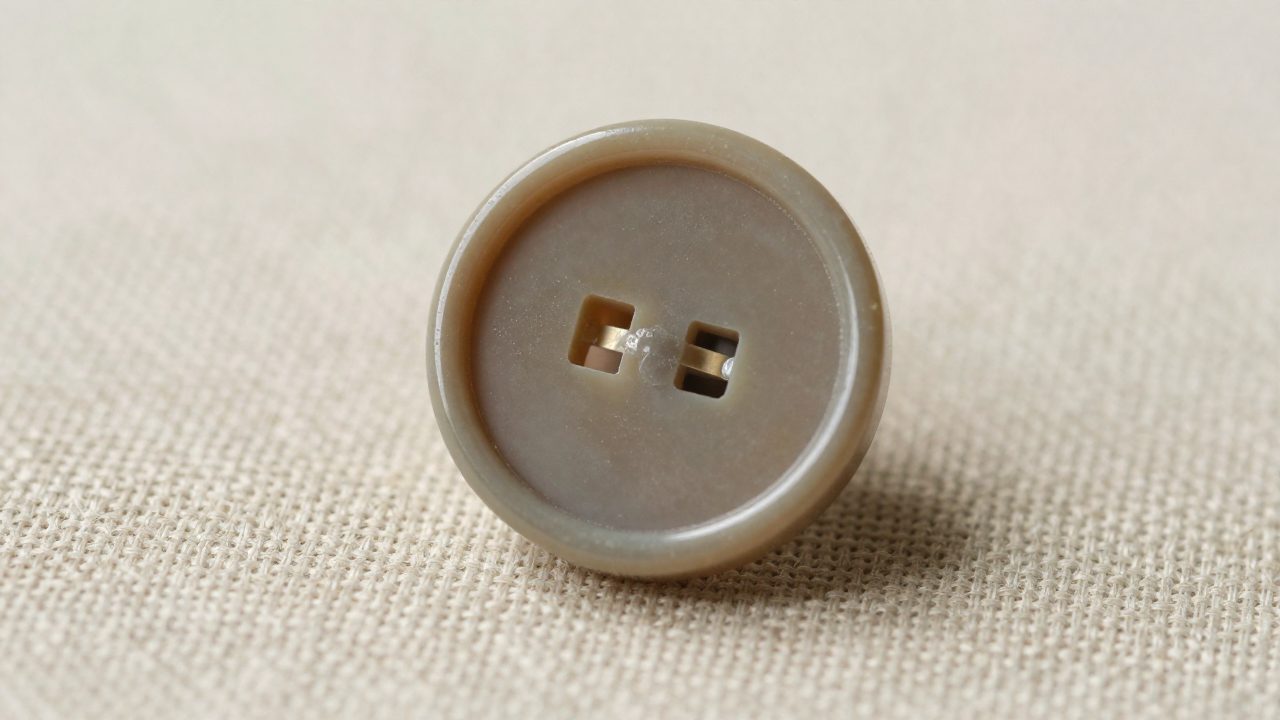
A kisser button is a small reference point fitted to a bowstring so an archer can touch the same place on the face at full draw. It is not a performance upgrade by itself and it does not make a bow safe. Its useful role is repeatability: with the bow held and drawn in the same way, the button can give a consistent secondary facial reference alongside the hand anchor, string contact and sight picture. Because it sits on the string, its position affects the feel of the draw and must be checked after any string, peep, nocking-point or draw-length change.
What a kisser button does
Most buttons are soft rubber, silicone or similar flexible material with a split or hole that allows the string to pass through. The intended contact is usually at the corner of the mouth or lip, but there is no universal placement. A compound, recurve and traditional bow can have different anchor geometry, and two people using the same bow can need different reference positions. The correct result is not a particular measurement from the nock; it is a comfortable, repeatable contact that does not require the archer to crane the neck, press hard into the string or alter the release hand position.
Fit before installation
Start with a correctly sized and adjusted bow. Draw length, release aid or finger anchor, anchor hand, peep height where applicable, nocking point and string-contact pattern should already be settled. Fitting a button to mask an inconsistent draw length or poorly set anchor creates a moving target. Have a qualified coach or pro shop observe the full draw from the side. They can see whether the head is being pushed forward, whether the string touches the face naturally and whether the reference repeats when the bow is drawn several times.
String and button compatibility
Read the button maker’s instructions for string material and diameter. A button that is too loose can migrate; one forced over an unsuitable string can damage serving or change position unexpectedly. Do not cut, melt or abrade string fibres to make an accessory fit. If a split-style button is used, keep the split closed around the string as directed and inspect it for tearing. If the product is secured with serving, use a qualified technician when you do not already know how to serve a bowstring correctly. Serving that is too tight, loose or misplaced can create its own problems.
Positioning method
With the bow unstrung only when the maker’s instructions require it, fit the button provisionally. Draw the bow under normal range conditions, using the same stance and release or finger placement each time. Let the button meet the face; do not chase it with the mouth. Mark or note the provisional location, then repeat several draws with a coach checking posture. Small changes can matter. A location that feels acceptable in one brief draw may cause jaw tension over a practice session. Once the position is confirmed, secure it only by the method permitted for that string and button.
Inspection before every session
Check the button, string and serving before shooting. Look for cracks, hardening, torn rubber, a widened hole, loosened serving, displaced peep, separated strands, frayed serving or a button that has moved from its established reference. Any change in the feel of the anchor is a reason to stop and inspect rather than to compensate by moving your head. A string can rotate as it settles, and a change made elsewhere on the bow can alter apparent button position. Replace damaged accessories and have a qualified shop inspect questionable string damage.
Range conduct
Only draw and shoot on an established range or other lawful, controlled location with a suitable backstop and clear shooting lane. Point the bow in a safe direction at all times and never draw while another person is downrange. Keep fingers, face, clothing and accessories clear of the string path. Use arrows matched to the bow and draw weight, and follow the bow maker’s limits. A kisser button does not change the risks of dry firing, damaged arrows, a worn string or an unsafe backstop. If equipment fails or feels different at full draw, let down carefully and stop shooting.
When not to use one
Some archers prefer a different anchor system or find lip contact distracting. That is a technique decision for the archer and coach, not a reason to force an accessory into place. A button should never be used to pull the mouth into a new position, to compensate for an incorrect draw length, or to make an uncomfortable release feel acceptable. Remove or relocate it only with the bow safely handled and the string inspected afterward. Consistency comes from an appropriate bow setup and repeatable form; the kisser button is simply one possible reference within that system.
Bottom line
Use a kisser button only when it fits the string, complements a correctly set anchor and stays stable under inspection. Establish its position with repeated safe draws, have a coach or shop help with setup when needed, and stop using the bow if the button, serving or string shows damage. Range discipline, correct fit and routine inspection matter more than any small anchor accessory.