

As an Amazon Associate and eBay Partner, toptenpick.com earns from qualifying purchases. Prices and availability are subject to change.
The HTC One M9 has something most phones sold today do not: a 3.5 mm headphone jack, wired straight into the phone’s own amplifier. It also has HTC BoomSound with Dolby processing, which applies a surround-style effect on headphones and even lets you tell it what kind of headphones you have plugged in. That combination makes the M9 a genuinely pleasant wired listening device — but it also sets the boundaries of what to buy. This is a phone amplifier, not a desktop headphone amp. Easy-to-drive headphones in the 16 to 60 ohm range will play loud and clean; a 250-ohm studio monitor will sound thin and quiet no matter how far up you push the volume. The other detail worth knowing is wiring. Any headset with an inline microphone and remote uses one of two pinouts, CTIA or OMTP. The M9 is a CTIA phone, which is what essentially every headset sold today uses, so a modern mic’d headset will work correctly — call controls and all. Very old OMTP headsets will play audio but swap the mic and ground, so the microphone will not work. The eleven below are all easy to drive, all use a plain 3.5 mm plug, and cover everything from a ten-dollar commuter earbud to a pair of wireless cans you can still plug in when the battery dies.
| # | Product | Price | Where to buy |
|---|---|---|---|
| 1 | Panasonic ErgoFit RP-HJE120 | $10–$18 | Amazon · eBay |
| 2 | Koss Porta Pro | $40–$60 | Amazon · eBay |
| 3 | 7Hz Salnotes Zero:2 | $22–$32 | Amazon · eBay |
| 4 | Moondrop Chu II | $18–$28 | Amazon · eBay |
| 5 | SoundMAGIC E11C | $40–$70 | Amazon · eBay |
| 6 | 1MORE Triple Driver In-Ear | $50–$80 | Amazon · eBay |
| 7 | Shure SE215 | $90–$110 | Amazon · eBay |
| 8 | Audio-Technica ATH-M50x | $130–$170 | Amazon · eBay |
| 9 | Sennheiser HD 560S | $180–$230 | Amazon · eBay |
| 10 | Anker Soundcore Life Q30 | $60–$90 | Amazon · eBay |
| 11 | Sony WH-1000XM5 | $330–$400 | Amazon · eBay |
The picks, in detail
Panasonic ErgoFit RP-HJE120
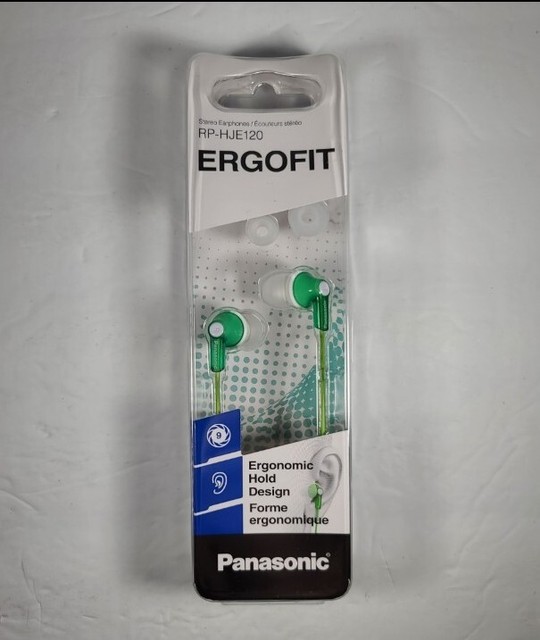
The cheapest thing here and, for a phone that lives in a pocket, one of the most sensible. It is a plain earbud with a comfortable angled fit, it sounds much better than the price suggests, and losing a pair costs about as much as lunch. Buy two.
- 16 ohm impedance — trivially easy for a phone to drive
- 9 mm drivers, angled nozzle for a secure fit
- 3.6 ft cord, 3.5 mm plug
- Available with or without an inline mic
- Genuinely good sound for the money
- Comfortable for long stretches
- Cheap enough to keep spares in a bag and a car
- Thin cable that will eventually fail
- No isolation to speak of on a noisy train

Koss Porta Pro
A design from 1984 that has never gone out of production, because it still sounds fun and folds into a pocket. On-ear rather than in-ear, with a warm, bass-forward tuning that suits the Dolby processing on the M9 well, and Koss backs them with a limited lifetime warranty in the US.
- On-ear open-back design, collapsible frame
- 60 ohm impedance — still easy for a phone
- Adjustable comfort-zone temple pads
- Limited lifetime warranty (US)
- Distinctive, enjoyable sound at a low price
- Folds small enough for a jacket pocket
- Warranty support that genuinely outlasts the headphones
- Open-back — everyone near you hears your music
- No isolation, so poor on public transport
7Hz Salnotes Zero:2
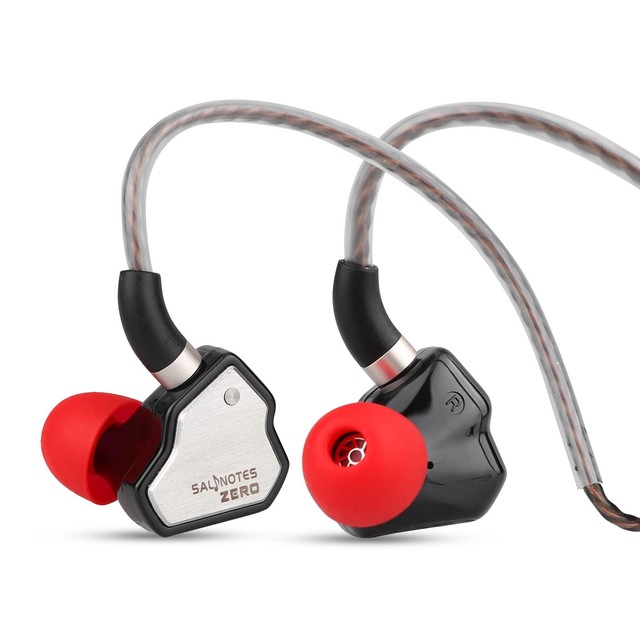
The current budget-audiophile default. A single dynamic driver tuned close to the widely-used Harman target, which in practice means it sounds balanced and unfatiguing rather than boomy. Detachable cable, so a chewed cord is a five-dollar fix rather than a new purchase.
- 10 mm dynamic driver
- Detachable 0.78 mm 2-pin cable
- Metal nozzle, resin shells
- Low impedance, phone-friendly sensitivity
- Balanced tuning that flatters most music
- Replaceable cable extends the life considerably
- Very strong value at the price
- Stock cable is thin and tangles
- In-ear fit is not for everyone
Moondrop Chu II
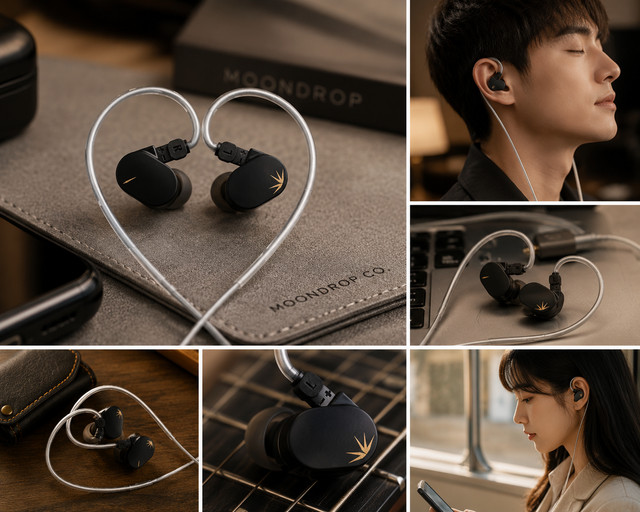
The other end of the same budget conversation, with a slightly warmer, more forgiving tuning than the Zero:2. It is the more comfortable pick for older or compressed recordings, which is a real consideration if your library predates the phone.
- 10 mm dynamic driver with a titanium-coated diaphragm
- Detachable 0.78 mm 2-pin cable
- Metal shells
- Optional inline microphone cable
- Forgiving with lower-quality source files
- Solid metal build for the price
- Cable is replaceable
- Less detailed than pricier sets
- Included tips are mediocre — plan on swapping them

SoundMAGIC E11C
The one to buy if you want a proper inline microphone and remote for calls. SoundMAGIC’s in-ears have been a long-running recommendation, and the E11C pairs that tuning with an Android-compatible three-button remote that works correctly with a CTIA phone like the M9.
- 10 mm dynamic driver in an aluminium housing
- In-line microphone and remote
- Tangle-resistant cable
- Carrying case and multiple tip sizes included
- Call quality and remote controls that actually work on Android
- Comfortable metal build
- Good accessory bundle
- Fixed cable — no replacing it when it frays
- Bassier than neutral, which not everyone wants
1MORE Triple Driver In-Ear
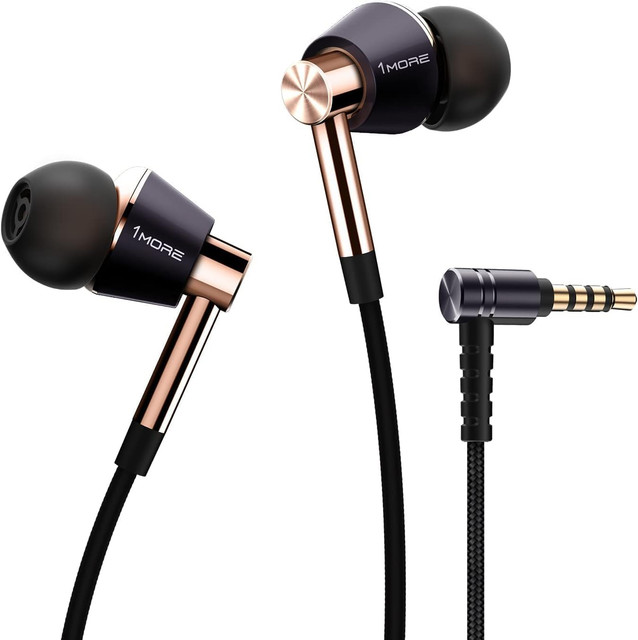
Two balanced armatures and a dynamic driver in a single earpiece, which buys separation between bass and detail that single-driver sets struggle with. An older design now, and all the better priced for it.
- Two balanced armatures plus one dynamic driver
- In-line remote and microphone
- Kevlar-reinforced cable
- Aluminium alloy housings, presentation case
- Clear separation between bass and treble detail
- Feels far more expensive than it costs now
- Very complete accessory package
- Non-detachable cable
- Heavier in the ear than single-driver sets

Shure SE215
The road-tested one. Over-ear cable routing and a deep fit give real isolation, the housings survive being thrown into bags for years, and the cable detaches with an MMCX connector — which matters, because the cable is what fails first on every other in-ear here.
- Single dynamic driver, sound-isolating fit
- Detachable MMCX cable
- Over-ear cable routing reduces microphonics
- Sleeve kit with foam and silicone tips
- Serious passive isolation without electronics
- Built to be repaired rather than replaced
- Stage-proven reliability
- Warm, rolled-off treble — detail is not the selling point
- Deep insertion takes some getting used to
Audio-Technica ATH-M50x
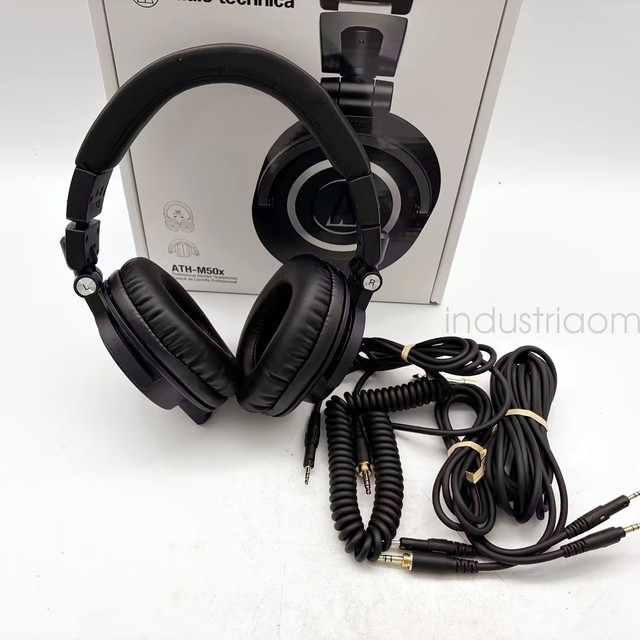
The closed-back over-ear that ended up in every studio and half of every coffee shop. 38 ohms, so a phone drives it comfortably, and it folds flat with three detachable cables in the box — including a short one that suits a phone in a pocket far better than the coiled studio cable.
- 45 mm drivers, closed-back circumaural design
- 38 ohm impedance
- Three detachable cables (coiled, long straight, short straight)
- Folds flat, swivelling earcups
- Well-known, well-supported, easy to find parts for
- Good isolation for a passive design
- Detachable cables in three useful lengths
- Clamping force is firm out of the box
- Earpads compress and need replacing every couple of years

Sennheiser HD 560S
The honest one, and the most demanding pick here. An open-back reference headphone at 120 ohms — a phone will drive it to reasonable volume but not with authority, so treat this as the option for quiet listening at a desk rather than something to walk around with.
- Open-back over-ear design
- 120 ohm impedance
- Detachable 3.5 mm cable with a 6.3 mm adapter
- Neutral, reference-style tuning
- Genuinely accurate sound at a mid-range price
- Open design is comfortable for hours
- Detachable cable
- 120 ohms is a stretch for a phone — expect less headroom and weaker bass than from an amplifier
- Open-back leaks sound in both directions; useless outdoors

Anker Soundcore Life Q30
The value wireless option that keeps a 3.5 mm socket. Active noise cancelling, 40-plus hours of battery, and when it does run out you plug the supplied cable into the M9 and carry on listening — which is exactly the fallback a wireless headphone should have.
- Hybrid active noise cancellation with multiple modes
- Up to 40 hours of playtime with ANC on
- Bluetooth 5.0 plus a wired 3.5 mm input
- Folding design with a hard carrying case
- Real ANC at a budget price
- Wired mode means a flat battery is not the end of the session
- Very long battery life
- Heavy bass tuning by default — use the app EQ
- Plastic build feels its price

Sony WH-1000XM5
The premium end. Class-leading noise cancelling and comfort, and like the Anker it ships with a 3.5 mm cable, so the M9’s headphone jack becomes the backup path when the battery dies or you are somewhere Bluetooth is not allowed. Overkill for a 2015 phone, but it will outlive it.
- Industry-leading adaptive noise cancellation
- Around 30 hours of battery with ANC on
- Included 3.5 mm cable for wired listening
- Lightweight 250 g design with soft synthetic leather pads
- Best-in-class noise cancelling and call quality
- Extremely comfortable for long flights
- Wired fallback keeps it useful with any 3.5 mm source
- Expensive relative to the phone
- Does not fold flat, so the case is bulky
Buying tips
- Stay under about 60 ohms. The M9 drives its headphone jack from a phone amplifier, not a desktop one. Low-impedance, high-sensitivity headphones will sound full and loud; high-impedance studio models will sound thin and quiet however far up you turn it.
- Turn BoomSound with Dolby Audio on, then tell it what you plugged in. The M9’s audio settings let you select your headphone type, and the processing changes noticeably depending on the choice. It is worth a few minutes of A/B listening rather than leaving it on the default.
- The M9 uses CTIA microphone wiring, which is what every headset sold in the last decade uses. If you dig out a very old OMTP headset the music will play but the microphone will not work — that is the wiring, not a fault.
- For anything you will use daily, prefer a detachable cable. Cables fail long before drivers do, and an MMCX or 2-pin connector turns a dead headphone into a five-dollar replacement part.
- If you mostly listen on public transport, isolation beats sound quality. An open-back headphone with better drivers will lose to a sealed in-ear the moment a bus starts moving.
- Bluetooth is an option too — the M9 supports it — but the wired jack bypasses codec compression entirely, and on a phone this age wired is the better-sounding path.
- Cheap earbuds are consumables. If you are hard on cables, two pairs of a $15 earbud will serve you better over three years than one $60 pair with a fixed cord.
As an Amazon Associate and eBay Partner, toptenpick.com earns from qualifying purchases. Prices and availability are subject to change.