

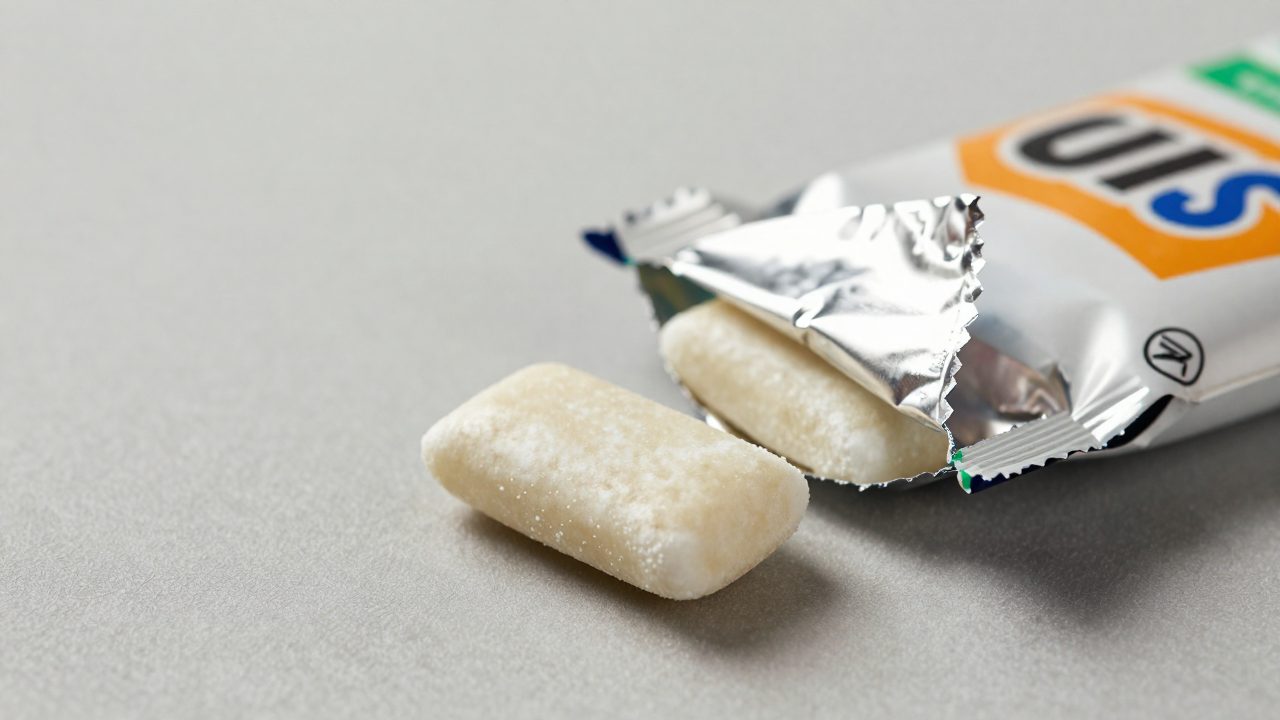
Chewing gum can exercise the jaw, but it is not a reliable route to a particular face shape. The masseter is a real chewing muscle and it works every time you chew; what changes its size, how that looks on an individual face, and whether extra resistance is appropriate are separate questions. Marketing for “jawline” gum often turns that distinction into a simple promise. A sensible guide starts with dental comfort, bite mechanics and realistic expectations.
What chewing can and cannot change
Chewing loads the masseter and other muscles used to close the jaw. That does not mean a product can reshape bone in an adult or guarantee a sharper jawline. Facial appearance also depends on skeletal structure, soft tissue, body composition, posture, lighting and genetics. There is no accepted scientific basis for treating hard gum as a precise cosmetic intervention. It may feel like exercise, but the appropriate outcome to monitor is comfort and jaw function—not a promised transformation.
Why resistance deserves caution
Harder gum increases the work required per chew. Brands such as JAWLINER sell specially marketed fitness gum, while ordinary Turkish-style Falim gum and mastic resin are often discussed by people seeking a firmer chew. Product availability and texture vary, and a harder product is not automatically better. Excessive or prolonged chewing can aggravate jaw fatigue, headaches, tooth sensitivity or temporomandibular-joint symptoms. If chewing causes pain, clicking with pain, locking, a changed bite or persistent soreness, stop and consult a dentist or qualified clinician.
Start with your dental situation
Do not add a demanding chewing routine if you have untreated tooth pain, a loose restoration, recent oral surgery, active jaw pain, braces or a clinician’s restriction on gum. Crowns, fillings, implants, retainers and orthodontic appliances all change the risk calculation. A person who grinds or clenches may already be loading the jaw substantially; adding resistant gum can compound rather than balance that load. This is one area where an individual dental history matters more than internet comparisons.
Choose gum as gum first
For ordinary fresh-breath use, sugar-free gum is often the practical choice because it avoids adding repeated sugar exposure to a chewing habit. Check the ingredient list for allergens and sweeteners that do not agree with you. Mastic is a plant resin and can have a distinctive flavor and texture; it is not interchangeable with every commercial gum. Falim is a recognizable sugar-free chewing-gum style, but hardness and freshness can vary by batch and seller. Fitness-gum branding does not replace a clear ingredient list, a credible retailer or a return policy.
A conservative way to test tolerance
If your dentist has no concern and you simply enjoy chewing, begin with normal gum for a short, comfortable session. Chew on both sides rather than loading one side continuously. Keep the jaw relaxed between chews, and do not force a wide opening or clamp down repeatedly. Stop for the day if you notice fatigue. Increase neither duration nor firmness quickly; there is no prize for reaching a painful level of resistance. A short routine that causes no symptoms is more useful than an intense routine that makes eating uncomfortable tomorrow.
Watch for asymmetry and habits
People often chew on their preferred side without noticing. Over time, one-sided chewing can make a pre-existing imbalance more noticeable and may irritate one joint. Use a mirror occasionally, alternate sides deliberately, and pay attention to whether the jaw tracks smoothly. Avoid using gum as a substitute for a mouth guard, stress-management plan or treatment for bruxism. Night grinding is not training; it is a symptom worth discussing with a dental professional.
How to assess product claims
Be wary of precise promises about muscle growth, face shape, breathing or a time frame. Claims that a gum is a fixed multiple “harder” than another product may be marketing comparisons rather than a clinically useful measurement. A useful listing tells you ingredients, quantity, flavor, storage guidance and price. It should not make you feel that discomfort is evidence of success. Choose a product only if you would still be comfortable using it as chewing gum without the appearance claim.
Better priorities for jaw comfort
Persistent jaw discomfort deserves assessment, not more resistance. A dentist can evaluate teeth, bite, restorations and signs of clenching, and can direct you to the appropriate clinician if joint or muscle care is needed. Sleep, stress reduction, regular meals and avoiding prolonged clenching often matter more to comfort than any specialty gum. For a cosmetic concern, keep expectations modest and avoid turning an everyday behavior into an escalating challenge.
The bottom line is simple: gum is optional recreation, not a guaranteed facial-treatment device. Choose it for taste and tolerability, keep sessions comfortable and even-sided, and stop when the jaw objects. That approach respects both the genuine work chewing muscles do and the limits of what a retail gum can promise.