

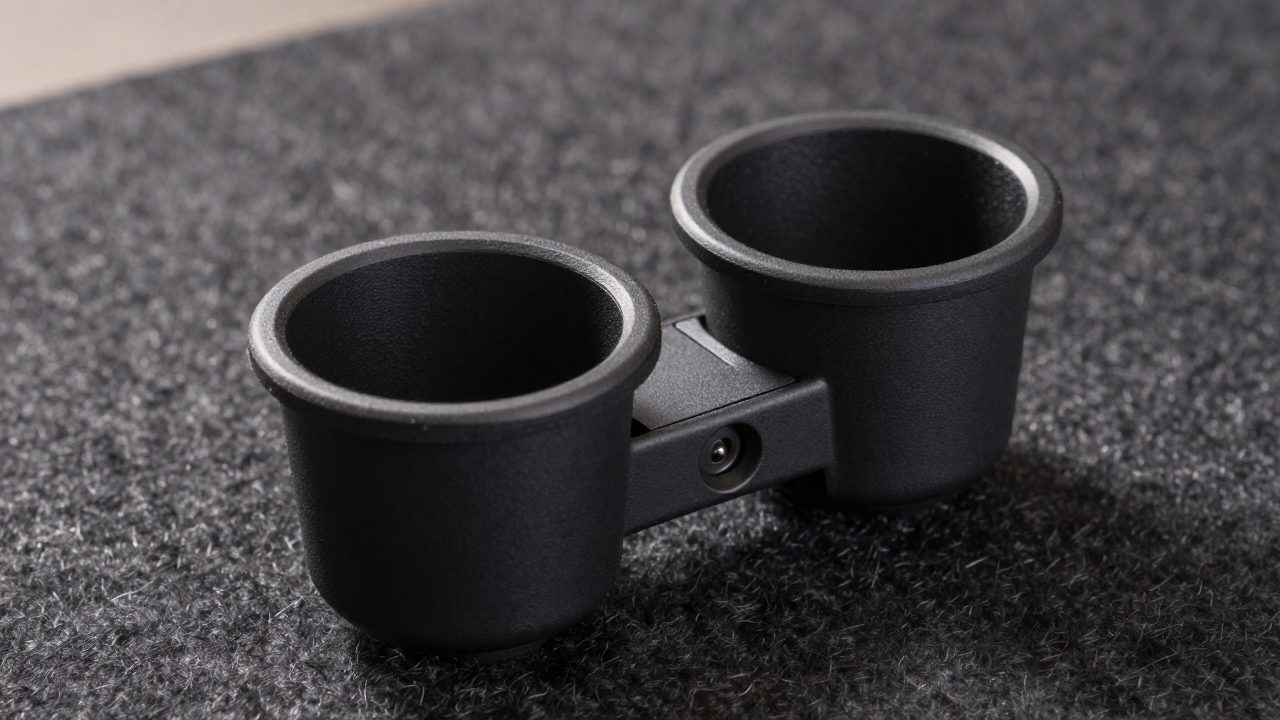
A Britax ClickTight name alone is not enough to choose a cup holder. Britax documents one removable Convertible Car Seat Cup Holder for a defined group of convertible seats: Advocate, Advocate ClickTight, Boulevard, Boulevard ClickTight, Marathon, Marathon ClickTight, Emblem, and Allegiance. It attaches at the left or right side of those listed convertible-seat shells and is intended for common child drink containers such as sippy cups, water bottles, juice boxes, and drink pouches. That narrow fit list is the key fact: use this accessory only when the manual for the actual seat supports it.
Identify the exact seat first
Britax has reused names across generations, markets, and seat types. A Marathon ClickTight is not automatically the same shell as an older Marathon, a One4Life ClickTight all-in-one seat, a Grow With You ClickTight harness-to-booster, an infant seat, or a stroller. ClickTight describes an installation system used on more than one product line; it is not an accessory-compatibility promise. A cup holder visible in a photo may also be built into that particular seat rather than being a removable part another shell can accept.
Find the model label on the child restraint and read the current user guide for that exact model number. The guide controls what may be fitted to the shell, the permitted attachment location, and the cleaning or replacement process. A retailer title, a look-alike seat in a video, or a listing that says Britax is not reliable fitment evidence. If the label, manual, and accessory information do not agree, contact Britax with the model number and manufacture date instead of trying to make a near-match fit.
The documented convertible-seat accessory
For the eight convertible models named by Britax, the Convertible Car Seat Cup Holder is the relevant removable accessory. It attaches to the left or right side in the position designed into the shell. It is not a belt-path accessory, handle clamp, universal strap-on organizer, or stroller part. The holder is top-rack dishwasher safe, but cleaning does not end the job: inspect the holder, its tabs, and the attachment slot before putting it back on the seat.
This restriction matters because the cup holder is optional whereas the child restraint is safety equipment. An item that appears to fit can crowd the child, snag harness webbing, interfere with a recline or ClickTight panel, or become a loose object in a hard stop. The correct accessory is the one the manufacturer expressly permits for that seat, not simply one with a clamp that tightens around a convenient edge.
Do not adapt a generic holder
Do not clamp a bicycle, stroller, wheelchair, golf-cart, or generic universal cup holder to a car-seat shell, harness area, handle, base, or vehicle belt. Those products are designed for different loads and attachment surfaces. A clamp can concentrate force on plastic that was not designed for it, scratch or crack the shell, and create a projection near the child. A loose strap can interfere with harness adjustment, buckle access, or the vehicle-belt route. Remaining attached while a vehicle is parked says nothing about behavior during braking or a collision.
For the same reason, do not use adhesive pads, aftermarket screws, drilled holes, cable ties, foam wedges, or improvised brackets to create an attachment point. Do not wedge a drink between the shell and vehicle seat, push an accessory through an opening near the ClickTight mechanism, or route a strap beneath a cover. These changes can make inspection harder and may affect the restraint or its installation. If the exact seat has no documented cup-holder position, leave the accessory off rather than adapting an unrelated product.
Fit the seat before fitting an accessory
Install the child restraint according to its manual before dealing with accessories. Confirm that the ClickTight panel closes fully and that the vehicle belt follows the stated route. With the permitted holder installed, make sure it seats in its intended position and that no part contacts the harness, buckle, chest clip, adjuster strap, recline mechanism, base, or vehicle belt. Buckle the child as instructed by the seat manual and check that the harness lies flat and snug at the shoulders. A cup holder should not turn a drink into a hard object pressing against the child or blocking normal entry and exit.
Cleaning and inspection
Follow the manufacturer instructions for cleaning the holder and the seat. After a spill, dishwasher cycle, or hand cleaning, inspect for cracks, distortion, missing tabs, rough edges, or insecure seating in the shell. Clean residue from the attachment area without soaking or altering seat components. Use a manufacturer-approved replacement when a holder is damaged or missing; tape, glue, and a generic substitute do not restore a specified attachment system.
Child-passenger safety boundaries
Never place a cup, toy, or accessory in a belt path, behind the child, beneath the child restraint, or where it interferes with the ClickTight panel. Do not let an accessory conceal a loose harness, blocked buckle, or incorrect vehicle-belt route. The cup holder is optional and should be removed whenever it prevents correct use, cleaning, or inspection. Follow local child-restraint law and the seat manual, and keep the child within the restraint’s stated height and weight limits.
When to ask for help
Ask Britax or a certified child-passenger-safety technician when the model label is unreadable, the manual is missing, the mount is damaged, or seat installation changes after an accessory is fitted. A technician can check installation, but cannot approve an accessory the manufacturer has not permitted. The simple rule is also the safest one: the Britax Convertible Car Seat Cup Holder is for Advocate, Advocate ClickTight, Boulevard, Boulevard ClickTight, Marathon, Marathon ClickTight, Emblem, and Allegiance only when the exact seat documentation confirms that use.
- Read the manual for the exact seat model before fitting or replacing a cup holder.
- Use the documented Convertible Car Seat Cup Holder only on the compatible convertible models.
- Never clamp, drill, wedge, tape, or strap a generic holder to a child restraint.
- Inspect the holder and seat after spills, cleaning, damage, or a crash, and use manufacturer guidance for replacements.