

As an Amazon Associate and eBay Partner, toptenpick.com earns from qualifying purchases. Prices and availability are subject to change.
Crystals can be attractive, tactile décor for a massage studio, but they are not a treatment and there is no accepted scientific basis for claims that a mineral changes health, pain, mood or bodily energy. For a professional room, the sensible criteria are mineral identity, an honest description of any dyeing or coating, stable placement, easy cleaning and a scale that does not crowd the treatment space. The real specimens below are best used as display objects or client-area décor—not as substitutes for clinical care, and not as loose objects on a treatment table unless your hygiene and safety procedures allow it.
| # | Product | Price | Where to buy |
|---|---|---|---|
| 1 | Crystal Joys Amethyst Cluster, 1–3.5 in | $10–$18 | Amazon |
| 2 | Crystal Joys Amethyst Cluster Medium, about 4 in | $15–$25 | Amazon |
| 3 | Crystal Joys Clear Quartz Cluster Mini AAA, 1–3 in | $15–$25 | Amazon |
| 4 | Crystal Joys Rose Quartz Rough, 3–4 lb | $40–$50 | Amazon |
| 5 | Crystal Joys Black Tourmaline Specimen, 2–4 in | $35–$45 | Amazon |
| 6 | Crystal Joys Black Kyanite Specimen, 2–4 in | $18–$25 | Amazon |
| 7 | Crystal Joys Zebra Calcite Specimen | $35–$45 | Amazon · eBay |
| 8 | Crystal Joys Labradorite Polished Freeform | $90–$140 | Amazon · eBay |
| 9 | Crystal Joys Agate Cut-Base Geode, 4–8 in | $40–$75 | Amazon |
| 10 | Crystal Joys Malachite Polished Freeform | $52–$100 | Amazon · eBay |
The picks, in detail
Crystal Joys Amethyst Cluster, 1–3.5 in
A small natural amethyst cluster sold by Crystal Joys in a 1–3.5 inch size range. Its purple quartz crystals make a compact shelf or reception-desk specimen without claiming a therapeutic role.
- amethyst quartz cluster
- 1–3.5 inch size range
- natural irregular crystal faces
- small display scale
- Compact enough for a reception shelf
- Natural cluster form makes each specimen visually distinct
- Pointed crystal faces are not suitable as a handheld massage tool
- Colour and form vary by piece
Crystal Joys Amethyst Cluster Medium, about 4 in
A larger, approximately 4-inch amethyst cluster for a more visible reception or retail display. It is a decorative mineral specimen, not a device or therapy product.
- approximately 4 inches
- amethyst cluster
- purple quartz crystal points
- display specimen
- More presence than a mini cluster
- Suitable for a stable tray or shelf display
- Needs a secure, out-of-reach location around children
- Natural points collect dust more easily than a polished stone
Crystal Joys Clear Quartz Cluster Mini AAA, 1–3 in
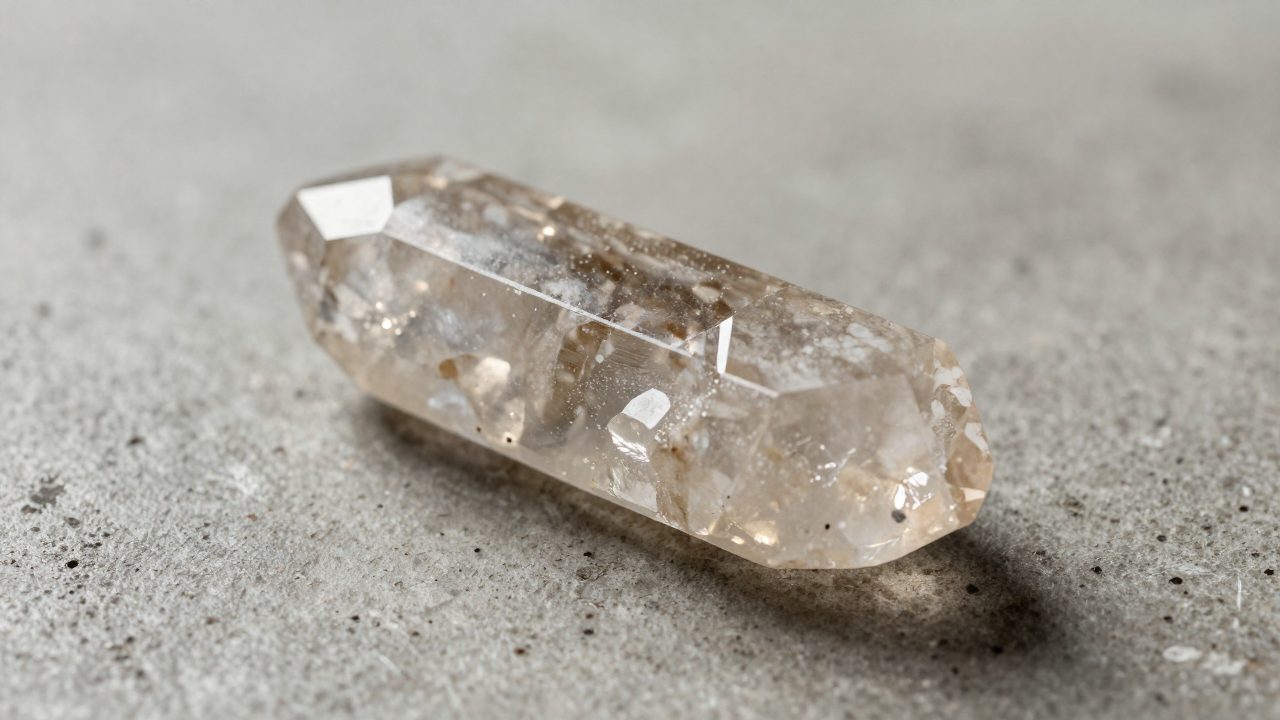
A small clear-quartz cluster listed at 1–3 inches and under half a pound. It offers a neutral transparent-to-white mineral look for a shelf, but should be bought as quartz, not for claimed effects.
- clear quartz cluster
- 1–3 inch size range
- under 0.5 lb listing
- natural crystal terminations
- Small enough for a contained display tray
- Clear quartz works visually with many room palettes
- Sharp terminations make it display-only around clients
- Inclusions and clarity naturally differ
Crystal Joys Rose Quartz Rough, 3–4 lb
A rough rose-quartz specimen sold in a substantial 3–4 pound size range. Its pale pink, unpolished surface reads as a mineral specimen rather than a polished spa prop.
- rough rose quartz
- 3–4 lb size range
- unpolished natural surface
- large décor specimen
- Strong visual anchor for a fixed display
- Rough finish makes it easy to distinguish from dyed glass décor
- Too heavy and irregular for table-side handling
- Must sit on a stable, protected surface
Crystal Joys Black Tourmaline Specimen, 2–4 in
A 2–4 inch black tourmaline specimen for a darker, strongly textured display accent. Look for the mineral’s characteristic long prismatic form and buy from a seller that identifies the material rather than using only spiritual marketing.
- black tourmaline
- 2–4 inch size range
- rough prismatic specimen
- natural surface texture
- Distinct dark contrast in a light-toned room
- Compact display size
- Rough ridges are unsuitable for client contact
- Natural specimens vary substantially in shape
Crystal Joys Black Kyanite Specimen, 2–4 in
A thin-bladed black kyanite specimen, sold at roughly 2–4 inches, for a dramatic mineral-collection display. Its delicate blade structure makes it a better cabinet object than a frequently handled piece.
- black kyanite
- 2–4 inch approximate size
- bladed crystal habit
- rough specimen
- Visually distinct from the quartz-heavy options
- Modest display price
- Delicate crystal blades can chip
- Not appropriate for a treatment-table surface

Crystal Joys Zebra Calcite Specimen
A striped calcite display specimen with a clearly different look from quartz. Calcite is relatively soft, so keep it dry and dust it gently rather than treating it as a washable décor object.
- zebra calcite
- banded mineral appearance
- rough display specimen
- soft carbonate mineral
- Strong striped pattern adds visual variety
- Good alternative to another quartz specimen
- Softer than quartz and can be scratched
- Avoid acidic cleaners

Crystal Joys Labradorite Polished Freeform
A polished labradorite freeform with a flat-cut base, sold from $90. Unlike a sharp cluster, its smoothed face and stable base make it an easier shelf display where light can reveal the stone’s natural flash.
- polished labradorite
- freeform shape
- cut base for display
- variable blue-green flash
- Polished surface is easier to dust than a cluster
- Stable freeform format suits a reception display
- Premium-priced compared with small rough specimens
- Flash varies dramatically from one piece to another
Crystal Joys Agate Cut-Base Geode, 4–8 in
A cut-base agate geode in the 4–8 inch range, designed to stand upright. Ask whether the colour is natural or enhanced; many agate décor pieces are dyed, and there is nothing wrong with that when it is disclosed.
- agate geode
- 4–8 inch size range
- cut base
- natural or disclosed enhanced colour
- Self-standing format needs no separate stand
- Geode interior provides a strong focal point
- Colour treatment should be disclosed before purchase
- Larger pieces are too heavy for unstable shelving

Crystal Joys Malachite Polished Freeform
A polished malachite freeform sold from $52, selected for its naturally banded green copper-carbonate pattern. Keep it as a display specimen and wash hands after handling unsealed rough malachite dust or fragments.
- polished malachite
- freeform display shape
- banded green pattern
- priced from $52
- Highly recognisable natural banding
- Polished format works well in a contained display
- Do not sand, drill or create dust from malachite
- Higher cost than basic quartz clusters
Buying tips
- State the mineral name, finish and any known treatment on a small display label. Terms such as ‘healing crystal’ are marketing language, not a substitute for mineral identification or evidence-based care.
- Keep rough, pointed, heavy or fragile specimens away from the table edge and client walkways. A low, stable shelf or enclosed cabinet is safer than placing a loose stone near a face cradle.
- Use a soft dry cloth for routine cleaning. Do not soak gypsum/selenite, and avoid acids on calcite or malachite; mineral hardness and water sensitivity vary widely.
As an Amazon Associate and eBay Partner, toptenpick.com earns from qualifying purchases. Prices and availability are subject to change.