

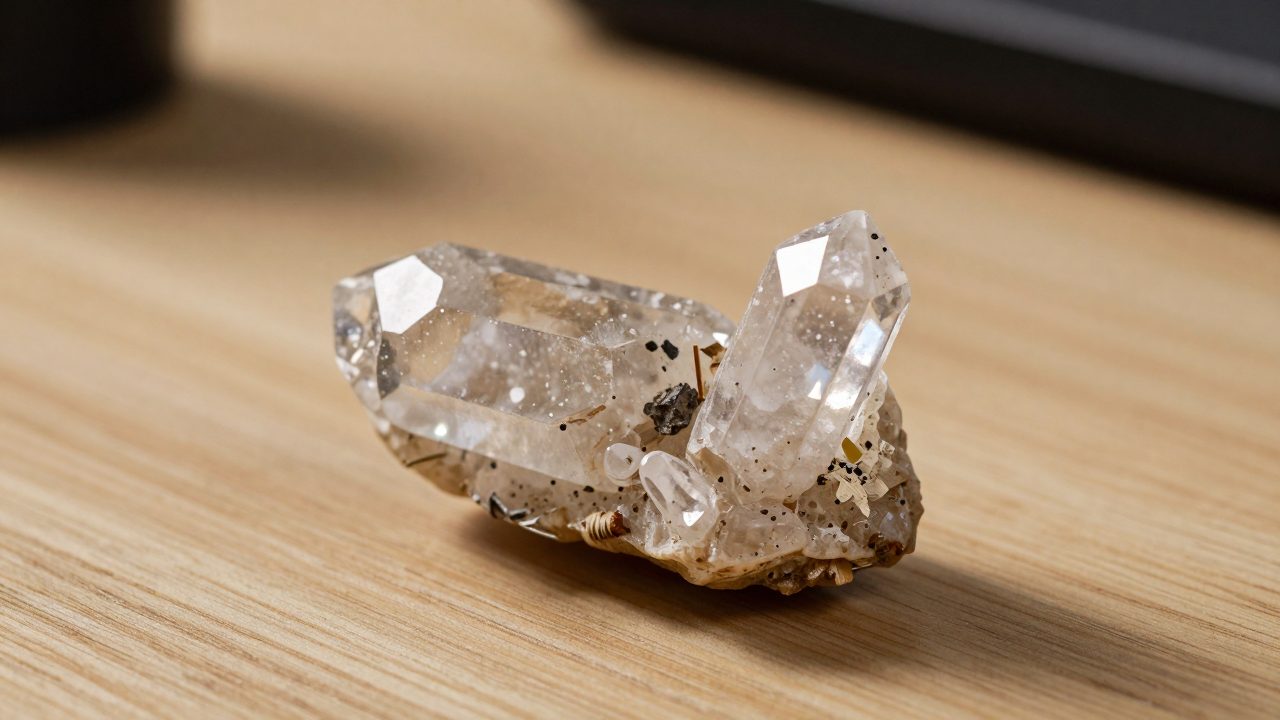
As an Amazon Associate and eBay Partner, toptenpick.com earns from qualifying purchases. Prices and availability are subject to change.
Geopathic stress is a concept from dowsing and New Age practice describing disturbances people believe come from underground water veins, mineral seams, or geological fault lines. It has no accepted scientific definition, no standard measurement, and no crystal has been shown in controlled research to detect or affect it — this guide makes no claim that it does. What it can tell you is what people who follow this practice are actually buying: the specific raw stones placed in home corners, bedrooms, or carried on the body, what mineral each one really is, where genuine specimens typically come from, and what a real piece costs, so you know exactly what you’re getting if you decide to buy one.
| # | Product | Price | Where to buy |
|---|---|---|---|
| 1 | Raw Shungite Stone | $5–$15 | Amazon · eBay |
| 2 | Raw Black Tourmaline Chunk | $4–$8 | Amazon · eBay |
| 3 | Smoky Quartz Point or Small Cluster | $20–$35 | Amazon · eBay |
| 4 | Clear Quartz Point | $10–$25 | Amazon · eBay |
| 5 | Selenite Wand or Tower | $10–$25 | Amazon · eBay |
| 6 | Rose Quartz Tumbled Stone or Small Cluster | $7–$20 | Amazon · eBay |
| 7 | Amethyst Cluster or Small Geode | $30–$95 | Amazon · eBay |
| 8 | Raw Citrine Point | $8–$35 | Amazon · eBay |
| 9 | Black Obsidian Palm Stone or Sphere | $5–$15 | Amazon · eBay |
| 10 | Hematite Tumbled Stones (Set) | $5–$10 | Amazon · eBay |
The picks, in detail

Raw Shungite Stone
An unpolished black stone mined almost exclusively around Lake Onega in Karelia, Russia, and the one most commonly placed in home corners in this practice. Shungite is a carbon-rich mineraloid, not a crystal in the mineralogical sense, and its dull, near-black surface is easy to tell apart from painted lookalikes.
- Genuine Karelia, Russia origin
- 1–2 inch unpolished chunks, sold individually or in small sets
- Distinct matte black, slightly rough surface
- ‘Elite’ or ‘Noble’ grades have a metallic silver sheen and cost far more per gram
- Inexpensive at standard grade
- Widely stocked, easy to verify origin
- Distinctive look that’s hard to fake convincingly
- Soft stone — can flake dark dust onto fabric
- ‘Elite’ grade marketing inflates price well beyond what the mineral content justifies

Raw Black Tourmaline Chunk
Rough, unpolished black tourmaline crystal, most commonly sourced from Brazilian pegmatite mines, sold as small natural chunks rather than cut or polished pieces. It’s the stone most consistently associated with ‘protection’ across crystal-shop listings.
- Brazilian origin, 5–10g natural chunks
- Unpolished, natural striated crystal faces
- Sold loose or as a small cluster
- One of the cheapest genuine crystals available
- Easy to source in bulk for placing in multiple rooms
- Small pieces are easy to lose or mistake for basalt gravel
- Larger, more dramatic specimens cost substantially more

Smoky Quartz Point or Small Cluster
Natural smoky quartz from Brazil, sold as a single terminated point or small cluster; the grey-to-brown color comes from natural irradiation, not treatment, in genuine pieces sold at this size.
- Brazilian origin, ~300g class specimens
- Natural smoky color and clarity
- Sold as single points or small clusters
- Substantial-looking piece for the price
- Genuine smoky quartz is easy to authenticate by color banding
- Cheap heat-treated amethyst is sometimes mislabeled as smoky quartz — buy from a seller who states natural origin
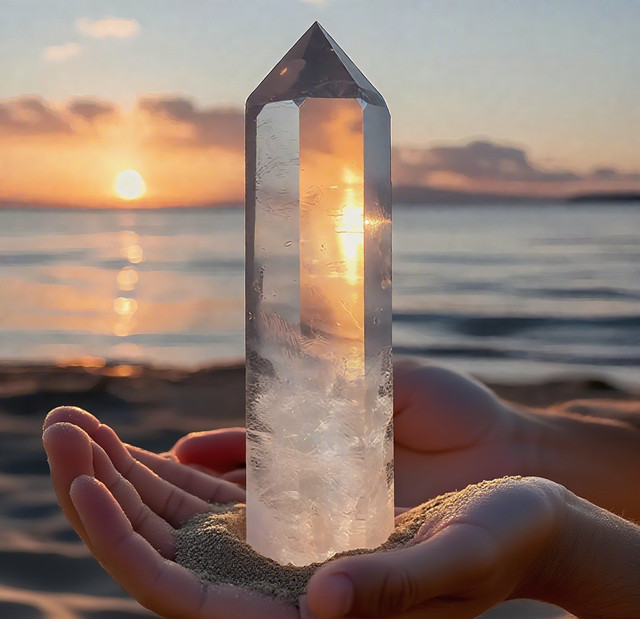
Clear Quartz Point
A natural, untreated clear quartz point — the most common all-purpose stone in this practice, typically set on a windowsill or desk.
- Natural terminated points, various sizes
- Sold individually or as small wholesale lots
- Cheapest true crystal by size
- Extremely widely available
- Market is flooded with lab-grown or low-grade material at inflated prices — buy from sellers stating natural, untreated stock

Selenite Wand or Tower
A polished selenite (gypsum) wand or small tower, usually sold in the 4–6 inch range; often placed near a doorway or bedroom corner in this practice.
- Polished gypsum, translucent white
- Wand or tower shapes, 4–6 inches typical
- Inexpensive, striking translucent look
- Lightweight, easy to place anywhere
- Very soft (2 on Mohs scale) — scratches and chips easily, and it dissolves if left wet
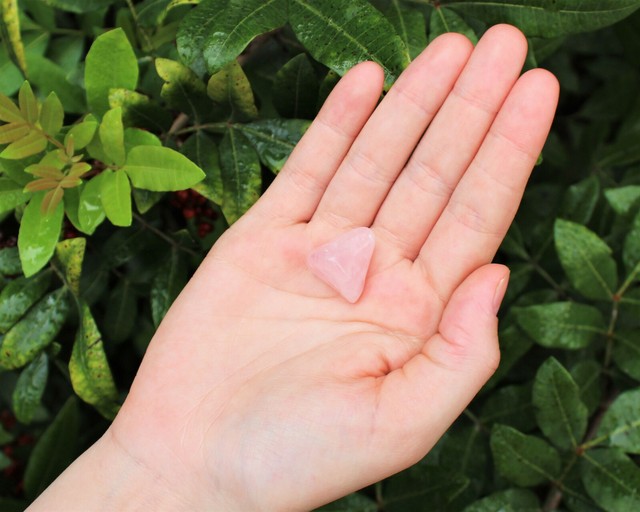
Rose Quartz Tumbled Stone or Small Cluster
Natural pink rose quartz, sold either as a smooth tumbled stone or a small rough cluster, most often Brazilian or Madagascar material.
- Natural pink coloring from trace titanium/iron
- Tumbled or rough cluster forms
- Cheap at tumbled-stone size
- Genuine material is easy to verify by the characteristic milky pink
- Dyed quartz sold as ‘rose quartz’ online is common at the low end — check reviews for color-fastness complaints

Amethyst Cluster or Small Geode
A natural amethyst cluster or small geode half, typically Brazilian or Uruguayan in origin, sold by weight.
- 1.5–2 lb clusters with natural termination points
- Polished base or geode-half presentation
- Visually the most dramatic piece on this list for the money
- Natural material is straightforward to authenticate
- Price rises steeply with size and color saturation — small tumbled pieces are a fraction of cluster prices
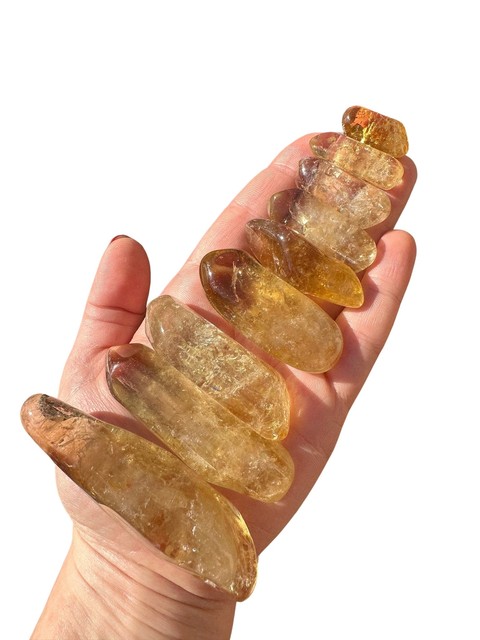
Raw Citrine Point
Natural citrine, sourced mainly from Zambia and Brazil, sold as a raw point rather than the heat-treated amethyst that’s usually passed off as citrine at the low end of the market.
- Zambian or Brazilian origin
- Raw, unpolished points, sold by gram weight
- True natural citrine is genuinely uncommon, which makes a verified piece a distinctive buy
- Most ‘citrine’ sold cheaply online is actually heat-treated amethyst or smoky quartz — buy only from sellers who state natural, untreated origin, and expect to pay more for the real thing

Black Obsidian Palm Stone or Sphere
Natural volcanic glass, sold as a polished palm stone or small sphere; genuine material is uniformly glassy black with a true conchoidal (shell-like) fracture where unpolished.
- Natural volcanic glass
- Polished palm stone or sphere shapes
- Inexpensive, durable, easy to carry
- Black glass ‘obsidian’ is a common substitute in the cheapest listings — genuine stone has natural, not machine-perfect, surface variation
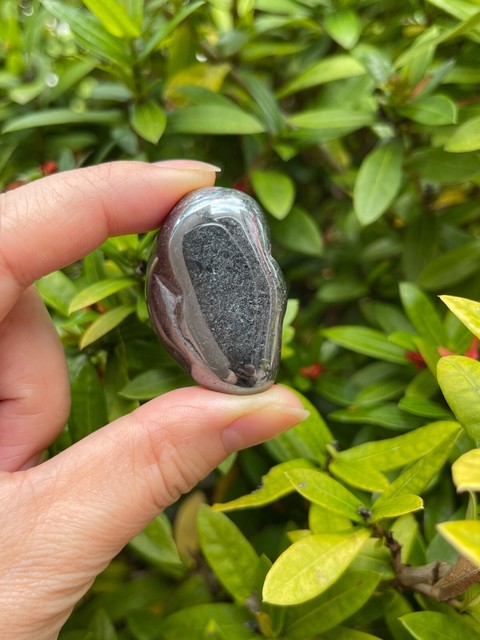
Hematite Tumbled Stones (Set)
A small set of tumbled hematite stones — a genuinely heavy, metallic-grey iron oxide mineral, sold loose by the piece or in small palm-stone sets.
- Natural iron oxide mineral
- Tumbled, palm-stone size, sold in small sets
- Noticeably heavier than glass or resin fakes, which makes authenticity easy to check by hand
- Rainbow/iridescent ‘hematite’ at the cheapest price points is usually hematine, a man-made magnetic composite, not the natural mineral
Buying tips
- Buy from sellers who state natural origin and country of origin — dyed, heat-treated, or synthetic material is common at the cheapest end of every stone on this list.
- Genuine stones vary piece to piece in color, weight, and shape; a listing showing perfectly identical stones in every photo is a sign of mass-produced imitation material.
- This is a belief-based practice, not a medical or safety product — treat any purchase as a decorative or personal-meaning object, not a treatment.
As an Amazon Associate and eBay Partner, toptenpick.com earns from qualifying purchases. Prices and availability are subject to change.