

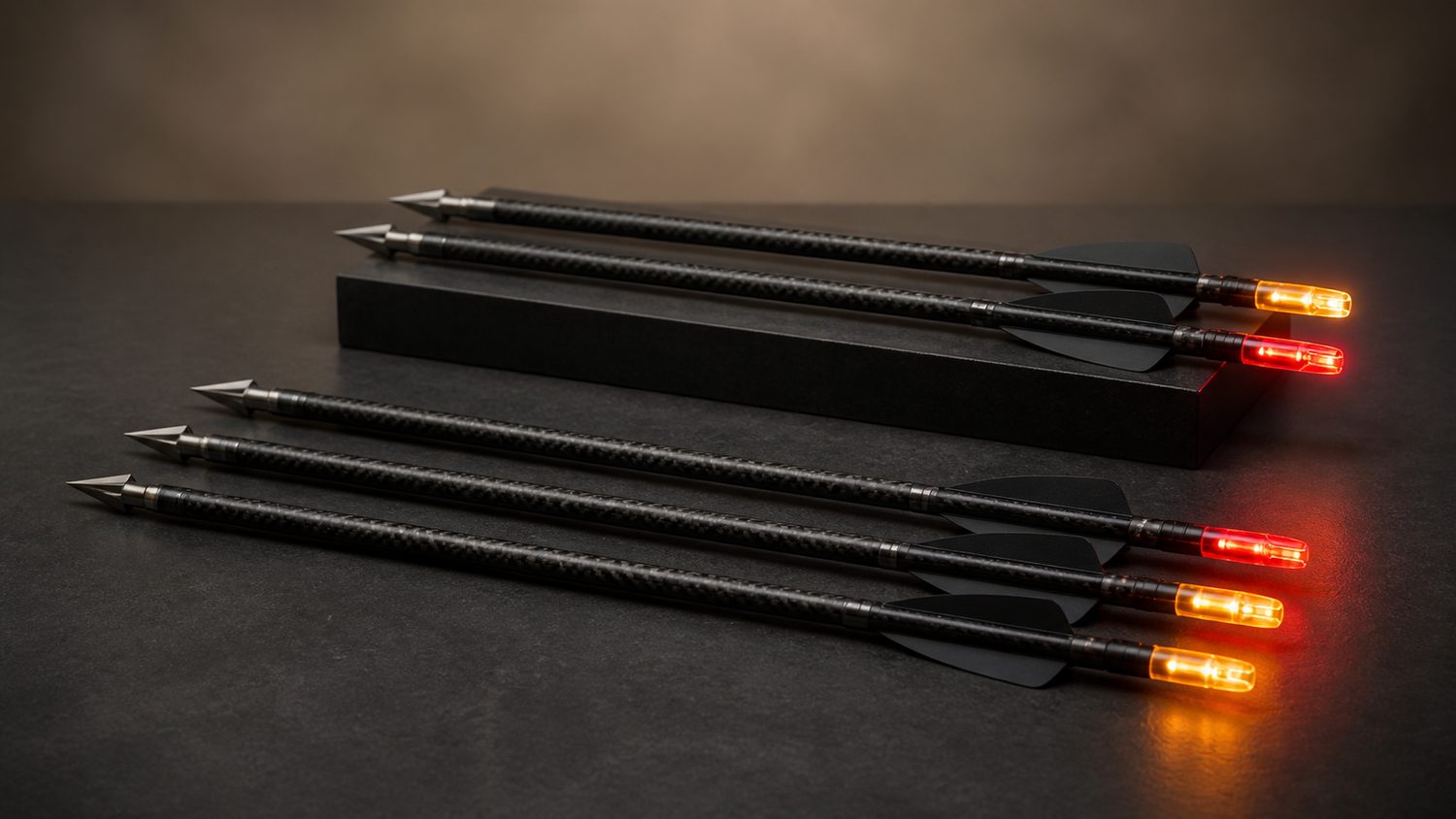
Crossbow bolt and lighted-nock safety require a cautious, non-shopping approach
A crossbow bolts and lighted nocks are weapons-related equipment. This page does not recommend products, models, retailers or purchase routes. The safe question is not which accessory is -best,- but whether the user is complying with local law, the crossbow manufacturer’s instructions and the sight manufacturer’s instructions. Rules on crossbow possession, transport, use, hunting and discharge vary substantially by country, state, province and local area. A legal use in one place can be prohibited or regulated in another.
Read the governing instructions
Before fitting any bolt, nock or related component, read the crossbow manual and the accessory instructions in full. The manual identifies approved mounting interfaces, torque limits, safety warnings and maintenance requirements. Do not assume that two rails with similar appearances are interchangeable, and do not force an attachment that does not seat correctly. Incorrect fitment can loosen during use, damage equipment or make aiming unreliable. If the manual does not clearly support the proposed configuration, contact the manufacturer or a qualified local technician rather than improvising.
Keep the crossbow unloaded during all handling
Any inspection, cleaning, adjustment or mounting work should begin with the crossbow confirmed unloaded and pointed in a safe direction. Keep fingers away from the trigger and string path. Work in a controlled area with people and pets away from the line of fire. Never look down the rail, place body parts in front of the string or limbs, or attempt to adjust an accessory while the crossbow is cocked. Follow the manufacturer’s decocking procedure; do not rely on memory or attempt an improvised discharge.
Compatibility is more than physical attachment
A secure physical fit does not prove that a setup is safe or appropriate. The bolt, nock, shaft, point and crossbow must work within their published limits. Inspect for damaged threads, stripped fasteners, cracks, loose parts and obstructed safety controls. Do not alter the rail, trigger housing, limbs, string, cables or stock to make an accessory fit. Modifications can defeat safety features and may void support or violate local regulations. Any uncertainty about structural condition calls for professional inspection rather than field experimentation.
Use a controlled, lawful range
Initial function checks and any function checks belong only at a lawful, purpose-built range or other location where discharge is permitted and a safe backstop is present. Confirm that the backstop is designed for the equipment and projectile used, that the area behind it is clear, and that no person can enter the firing zone. Never discharge a crossbow indoors, in a residential area, across a road or trail, or toward water, hard surfaces or terrain that may cause a projectile to travel unpredictably. Stop immediately if people, animals or changing conditions make the area unsafe.
Transport and storage
Transport rules vary, but a prudent baseline is to keep the crossbow uncocked, unloaded, secured in a case and inaccessible to unauthorised people. Follow every applicable local requirement concerning cases, vehicles, public places and transport across jurisdictional boundaries. Store it unloaded in a secure location, separate from projectiles where required, and prevent access by children or any person not authorised and trained to use it. A visible accessory does not make a crossbow a toy or a display item; treat the complete system as potentially dangerous equipment.
Maintenance and inspection
Before each use, inspect the crossbow and all attached accessories for wear, movement, corrosion, damage and missing hardware. Follow the manufacturer’s cleaning and storage guidance. Do not use damaged strings, cables, mounts or components. Do not apply unapproved lubricants, adhesives or thread treatments, because they can damage materials or affect fastener performance. If an accessory repeatedly shifts, loses retention or interferes with controls, stop using the setup and have it assessed by a qualified professional. Continuing to use malfunctioning equipment compounds the risk.
Training and supervision
Formal instruction from a qualified, lawful local programme is the safest way to learn handling, range etiquette, storage and applicable rules. Online videos and product discussions cannot assess a person’s setting, equipment condition or legal obligations. New users should not handle or discharge a crossbow alone. Experienced users should still refresh safety habits and follow any range officer or land-manager instruction. Alcohol, recreational drugs, fatigue and distraction have no place around a crossbow or any weapon accessory.
Legal and ethical use
Do not assume that an accessory is lawful because it is advertised online. Hunting seasons, species rules, minimum-age rules, transport restrictions and local discharge rules may all apply. Where hunting is lawful, follow the rules of the relevant wildlife authority and the ethical obligation to avoid unsafe shots. Never use a crossbow to threaten, intimidate or settle a dispute. If there is any doubt about legality, seek guidance from the appropriate local authority before transporting, fitting or using the equipment.
Communication and emergencies
Anyone who sees unsafe handling should create distance, avoid escalating the situation and contact the appropriate local emergency or range authority when necessary. Do not attempt to seize equipment from another person unless trained and authorised to do so. Clear range commands, careful supervision and early stopping are safer than trying to correct unsafe behaviour after a projectile is loaded.
Safe conduct includes communicating the rules before any session begins: who is in charge, where the safe direction is, how the area is kept clear and what signal ends activity. If any participant does not understand or follow those rules, do not continue. Safety is a condition of use, not a step that can be added after an accessory is installed.
When to stop
Stop and seek qualified help when instructions conflict, a part does not fit, a safety feature is obstructed, a component is damaged, the use location is uncertain or a legal requirement is unclear. The absence of a shopping recommendation here is deliberate: safe, lawful handling and compatibility verification come before any choice of accessory. Protect people first, follow the official instructions supplied with the equipment, and use only lawful facilities and procedures.