

As an Amazon Associate and eBay Partner, toptenpick.com earns from qualifying purchases. Prices and availability are subject to change.
Richard III’s reputation splits sharply between two camps: traditionalist accounts that broadly accept the Tudor-era portrait of a usurper implicated in his nephews’ deaths, and revisionist (Ricardian) accounts that argue the case against him was built after the fact by his successors. A good reading list covers both rather than picking a side for you — this one labels which is which, plus a couple of historiographical surveys that examine the debate itself. All titles below are real, currently in-print books, verified by author and edition.
| # | Product | Price | Where to buy |
|---|---|---|---|
| 1 | Richard III by Charles Ross | $20-$35 | Amazon · eBay |
| 2 | Richard III by Paul Murray Kendall | $15-$22 | Amazon · eBay |
| 3 | Richard III by Michael Hicks | $20-$30 | Amazon · eBay |
| 4 | Good King Richard? by Jeremy Potter | $15-$25 | Amazon · eBay |
| 5 | The Daughter of Time by Josephine Tey | $12-$16 | Amazon · eBay |
| 6 | Richard III: A Ruler and His Reputation by David Horspool | $17-$26 | Amazon · eBay |
| 7 | The Princes in the Tower by Alison Weir | $14-$18 | Amazon · eBay |
| 8 | The Princes in the Tower: Solving History’s Greatest Cold Case by Philippa Langley | $26-$30 | Amazon · eBay |
| 9 | Richard III: Loyalty Binds Me by Matthew Lewis | $15-$25 | Amazon · eBay |
| 10 | The Survival of the Princes in the Tower by Matthew Lewis | $18-$25 | Amazon · eBay |
The picks, in detail

Richard III by Charles Ross
The standard modern academic biography since 1981 (Yale English Monarchs series), which swung scholarly opinion partway back toward a more sympathetic Richard without going all the way to full revisionism.
- Yale English Monarchs series entry
- Displaced Paul Murray Kendall’s biography as the academic standard
- Balanced rather than fully traditionalist or fully revisionist
- Widely cited as the modern scholarly reference point on Richard III
- Careful, source-based approach rather than either extreme
- Denser academic prose than the more popular titles on this list
- Priced as an academic hardcover/paperback, above the mass-market history titles here
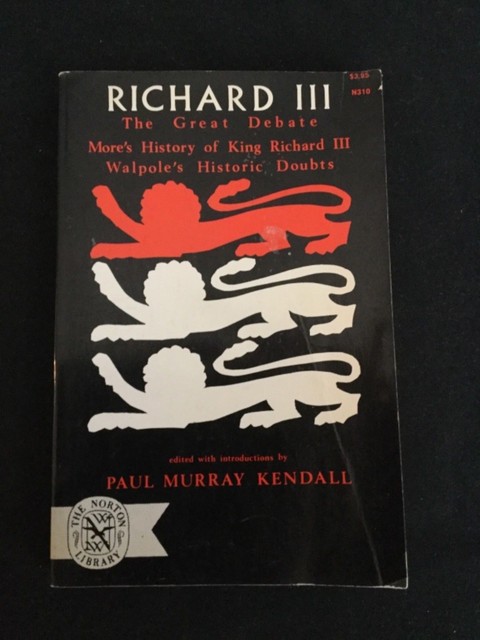
Richard III by Paul Murray Kendall
The influential 1955 revisionist biography that gave academic-level support to a sympathetic reading of Richard, long the standard biography before Ross.
- First published 1955, still in print
- Revisionist/sympathetic to Richard
- Written by an American academic historian
- Historically significant as the book that shifted 20th-century academic opinion toward reconsidering Richard
- Still a genuinely engaging read, part of why it stayed in print this long
- Now superseded as the academic standard by Ross’s later biography, so read it as a historically important revisionist text rather than the current consensus
- Some of its interpretations have been challenged by more recent scholarship
Richard III by Michael Hicks
A more skeptical, source-critical biography that pushes back against both the Tudor caricature and the more romantic revisionist readings.
- Source-critical, skeptical methodology
- Broadly traditionalist-leaning conclusions
- Written by a leading medieval historian
- Useful counterweight if you’ve read the more sympathetic revisionist titles on this list first
- Rigorous about what the actual surviving evidence does and doesn’t support
- Its skepticism toward Richard puts it at odds with committed Ricardian readers
- Denser, more argumentative style than the popular narrative histories here

Good King Richard? by Jeremy Potter
A historiographical survey rather than a biography — it traces how Richard’s reputation was built and rebuilt by historians from Francis Bacon through the 20th century, weighing traditionalist and revisionist arguments against each other.
- Historiographical survey of centuries of Richard III scholarship
- Covers both traditionalist and revisionist historians
- Written by a former chairman of the Richard III Society
- The best single book on this list for understanding the debate itself, not just one side of it
- Traces exactly how and when the traditionalist Tudor narrative formed
- Author’s Richard III Society background is worth knowing when weighing his own conclusions
- Less useful as a standalone first introduction to Richard’s actual reign than a straight biography

The Daughter of Time by Josephine Tey
A 1951 detective novel, not a history book, in which a bedridden Scotland Yard inspector investigates Richard III’s guilt from historical sources — hugely influential in popularizing the revisionist/Ricardian view.
- Fiction — a mystery novel, not a scholarly work
- First published 1951, still widely read
- Credited with popularizing revisionist Richard III interest among general readers
- One of the most-cited gateway books for anyone new to the Richard III debate, entertaining as fiction on top of its historical argument
- Short, fast read compared to the academic biographies here
- It’s a novel, not a scholarly source — its historical arguments need checking against real evidence, not taken as settled fact
- Based on since-superseded assumptions in places, given its 1951 publication date
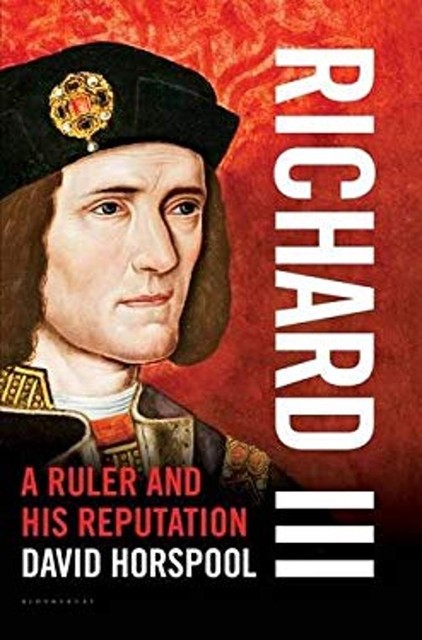
Richard III: A Ruler and His Reputation by David Horspool
A 2015 biography that deliberately tries to separate the historical Richard from the reputation built up around him afterward, landing in a carefully balanced middle ground.
- Published 2015
- Explicitly structured around separating the man from his later reputation
- Balanced rather than committed to either camp
- One of the more recent and readable balanced accounts, good as a single-book introduction
- Directly engages with why the traditionalist/revisionist split exists rather than assuming one side
- Its deliberate balance means readers looking for a strong argument either way may find it less satisfying
- Not as exhaustive an academic reference as Ross or Hicks
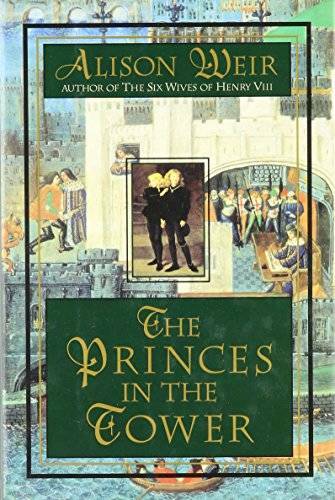
The Princes in the Tower by Alison Weir
A 1992 traditionalist account that argues, based on the available evidence, for Richard’s guilt in his nephews’ deaths — one of the more widely read popular-history traditionalist titles.
- Published 1992, popular (not strictly academic) history format
- Traditionalist conclusion — argues for Richard’s guilt
- Written by a bestselling popular historian
- Accessible popular-history writing style, easier entry point than the denser academic titles here
- Represents the traditionalist case clearly for readers who’ve mostly encountered revisionist arguments
- Popular history rather than a specialist academic source — pair it with Ross or Hicks for the more rigorous traditionalist case
- Its firm conclusion has drawn pushback from both academic historians and Ricardian readers
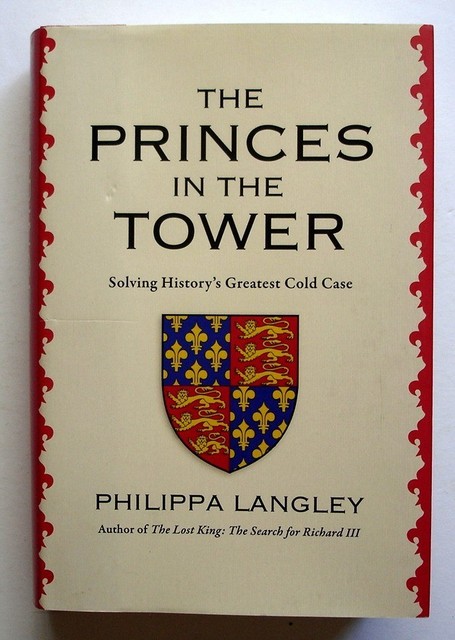
The Princes in the Tower: Solving History’s Greatest Cold Case by Philippa Langley
A 2023 revisionist account presenting findings from Langley’s “Missing Princes Project” research initiative — one of the most recent and widely discussed books in the debate.
- Published 2023
- Presents original research from the Missing Princes Project
- Revisionist conclusion
- The most current major title on this list, reflecting the latest round of the debate
- Presents new documentary research rather than just re-arguing existing evidence
- As with any revisionist title, its conclusions have drawn skepticism from traditionalist historians and deserve reading alongside a critical counterpoint
- Being the newest book here, it hasn’t had the decades of scholarly response that Ross or Kendall have

Richard III: Loyalty Binds Me by Matthew Lewis
A 2018 revisionist/Ricardian biography by historian Matthew Lewis, arguing for a more sympathetic reading of Richard’s actions and motivations.
- Published 2018
- Revisionist/Ricardian perspective
- Written by a Wars of the Roses period specialist
- Clearly argued modern revisionist case, useful paired against Hicks’s more skeptical modern take
- Author has written multiple related titles, useful if you want to go deeper into this specific viewpoint
- Committed to a revisionist reading — read alongside a traditionalist title for balance
- Less widely known outside Ricardian-interested circles than Weir or Tey

The Survival of the Princes in the Tower by Matthew Lewis
A 2017 book by the same author arguing one or both princes may have survived, rather than focusing narrowly on Richard’s guilt or innocence for their deaths.
- Published 2017
- Focuses on survival theories rather than just guilt/innocence
- Companion volume to Lewis’s Loyalty Binds Me
- Approaches the mystery from a different angle than most books on this list, which mainly debate whether Richard ordered the deaths
- Pairs well with Langley’s 2023 book, which covers similar territory from a different research angle
- A more speculative angle than the core biographical works here, since survival theories are harder to substantiate than analyzing Richard’s actions directly
- Best read after a core biography (Ross, Kendall, or Horspool) rather than as a first introduction
Buying tips
- Read at least one from each camp — Kendall, Weir/Lewis-style revisionists on one side, Hicks and the traditionalist reading of Ross on the other — rather than one book alone, since this is a genuinely contested historical debate, not settled fact.
- Good King Richard? by Jeremy Potter is the best starting point if you want to understand why the debate exists and how it developed, before diving into a book that argues one side.
- The Daughter of Time is fiction, not scholarship — treat it as the entertaining, historically influential gateway it is, not as a cited source on its own.
As an Amazon Associate and eBay Partner, toptenpick.com earns from qualifying purchases. Prices and availability are subject to change.