

As an Amazon Associate and eBay Partner, toptenpick.com earns from qualifying purchases. Prices and availability are subject to change.
Backpacks are sold on litres, and litres tell you how much you can put in. For an older walker the more useful question is different: how does the bag put the weight into your body, and how hard is it to get on and off?
The weight question comes first. A bag carried on the shoulder straps alone hangs its entire load from the shoulders and the upper spine. A properly fitted hip belt transfers most of that load onto the pelvis instead, where the strongest bones in the body take it — and for anyone with a degenerative spine, arthritis, or a repaired shoulder, that transfer is not a comfort feature. It is the difference between a bag that is usable and one that is not. Crucially, a hip belt only works if the bag’s back length actually fits your torso; a hip belt sitting too high or low does nothing at all.
The second question is the one nobody writes about. Getting a loaded bag on and off requires a reaching, twisting movement over the shoulder that is awkward for stiff shoulders and genuinely painful for some. So the things that matter are a bag you can swing on one strap at a time, wide grab handles, and a front-opening (panel-loading) design rather than a top-loader — because a top-loader means digging down through everything from above, and doing that repeatedly is what makes people leave the bag on the ground and stop using it.
Third: the empty weight matters disproportionately. A 1.8 kg pack and a 0.9 kg pack of the same volume differ by almost a litre of water before you have put anything in. That is meaningful when the sensible total carry is modest to begin with.
And a practical note that follows from all of the above: for anything other than a walk, a wheeled bag is very often the better answer, and there is no reason to carry what you can roll. This list includes both.
None of this is medical advice. If a back, shoulder or hip is a real problem, a physiotherapist can tell you what you should and should not be carrying.
| # | Product | Price | Where to buy |
|---|---|---|---|
| 1 | Daypack with a Load-Bearing Hip Belt | $60-$160 | Amazon |
| 2 | Panel-Loading (Front-Opening) Backpack | $50-$140 | Amazon |
| 3 | Ultralight Daypack Under 700 g | $40-$110 | Amazon |
| 4 | Rolling Backpack with Retractable Handle | $70-$200 | Amazon · eBay |
| 5 | Small Hydration Pack | $40-$100 | Amazon |
| 6 | Cross-Body Sling Bag | $25-$70 | Amazon |
| 7 | Backpack Chest Strap and Strap Pads | $12-$35 | Amazon · eBay |
| 8 | Packing Cubes and Bright Internal Pouches | $15-$40 | Amazon · eBay |
| 9 | Trekking Poles | $40-$140 | Amazon · eBay |
| 10 | Rain Cover and High-Visibility Elements | $15-$40 | Amazon · eBay |
The picks, in detail
Daypack with a Load-Bearing Hip Belt
The most important feature in this list, and it must be a real one — a padded belt shaped to sit on the top of the pelvis, not a thin strip of webbing that merely stops the bag swinging. Properly fitted it takes the majority of the load off your shoulders and puts it on the hip bones. Look for an adjustable back length so the belt sits in the right place for your torso, since a belt at the wrong height transfers nothing at all and is the reason so many people conclude hip belts do not help.
- Padded, contoured hip belt
- Adjustable back length
- 20-30 litre capacity
- Load-lifter straps at the shoulders
- Moves most of the weight off the shoulders and spine
- Adjustable back length makes the belt sit correctly
- Stable, so the load does not swing
- Useless if the back length is wrong for your torso
- Belt buckles need a firm pinch — awkward with arthritic hands
Panel-Loading (Front-Opening) Backpack
A bag that unzips across the front like a suitcase, so you can see and reach everything without digging down from the top. That sounds like convenience and it is really about not repeatedly bending, twisting and rummaging — the movement that makes people give up on a bag and leave it in the car. It also means you can pack it flat on a table and see what is in it, which matters if you are managing medication, glasses and several small items.
- Full-length or three-quarter front zip
- Lies flat when open
- Internal compartments and mesh pockets
- Usually with a hip belt as well
- No digging down from the top to find anything
- Packs flat on a table, so nothing gets forgotten
- Far easier for arthritic hands than a drawcord top
- Long zips are the first thing to fail on cheap bags
- Slightly heavier than a simple top-loader
Ultralight Daypack Under 700 g
Every gram of bag is a gram you carry before you have packed anything, and on a modest total load the empty weight is a meaningful share of it. An ultralight 20-litre daypack weighing well under a kilo can halve the base weight compared with a heavily featured pack of the same volume. The trade-off is honest: thinner fabric, less padding and usually a simpler hip belt. For short walks with a light load that is exactly the right compromise.
- Under 700 g empty
- 20-25 litre capacity
- Ripstop nylon construction
- Simple, minimal features
- Base weight saving is significant on a light load
- Easy to swing on and off
- Packs down small when not in use
- Thin padding is uncomfortable under real weight
- Light fabrics tear if snagged
Rolling Backpack with Retractable Handle
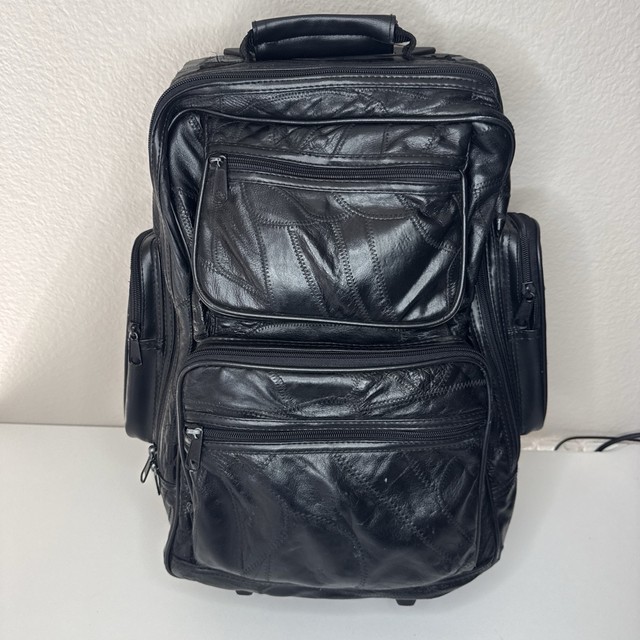
Worth taking seriously rather than treating as a compromise. A bag with wheels and a telescoping handle carries itself on any hard surface — airports, stations, shopping centres, pavements — and converts to a backpack for stairs and rough ground. There is no virtue in carrying what you can roll. The cost is empty weight, because the wheels and handle mechanism are heavy, so it is the wrong choice for a country walk and the right one for almost everything else.
- In-line skate wheels and telescoping handle
- Stowable backpack straps
- Rigid base and frame
- Carry-on sizes available
- Removes the weight from your body entirely on hard ground
- Converts for stairs and kerbs
- Rigid base keeps contents organised
- Noticeably heavier empty than a plain backpack
- Wheels are useless on grass, gravel and sand
Small Hydration Pack
A specific and underrated benefit: with a bladder and a hose you drink without taking the bag off. That matters more than it sounds, because the on-and-off movement is exactly what this article says is difficult — so a bag that removes several of those movements per walk removes several opportunities for a strain. Dehydration also affects older adults faster and with less warning, and a hose within reach means sipping regularly rather than only when you remember.
- 1.5-3 litre bladder with a drinking hose
- Magnetic or clip hose retainer on the strap
- Small 10-18 litre packs
- Insulated hose options
- Drink without taking the bag off at all
- Encourages regular sipping rather than occasional gulps
- Light and close-fitting
- Bladders must be dried thoroughly or they grow mould
- Hard to tell how much water is left
Cross-Body Sling Bag
For a light load, this is often the better format. A sling swings round to the front to be opened without coming off your body at all, which removes the reaching-over-the-shoulder movement entirely — and a stiff shoulder will not forgive that movement several times a walk. Capacity is limited to essentials: phone, wallet, keys, a small bottle, glasses. As a companion to a rolling bag, or on its own for a short outing, it is the least demanding thing here.
- Single adjustable cross-body strap
- Swings to the front to open
- 5-10 litre capacity
- Quick-release buckle
- Never needs lifting over the shoulder
- Everything accessible without stopping
- Light and unobtrusive
- All the weight on one shoulder
- Too small for anything beyond essentials
Backpack Chest Strap and Strap Pads
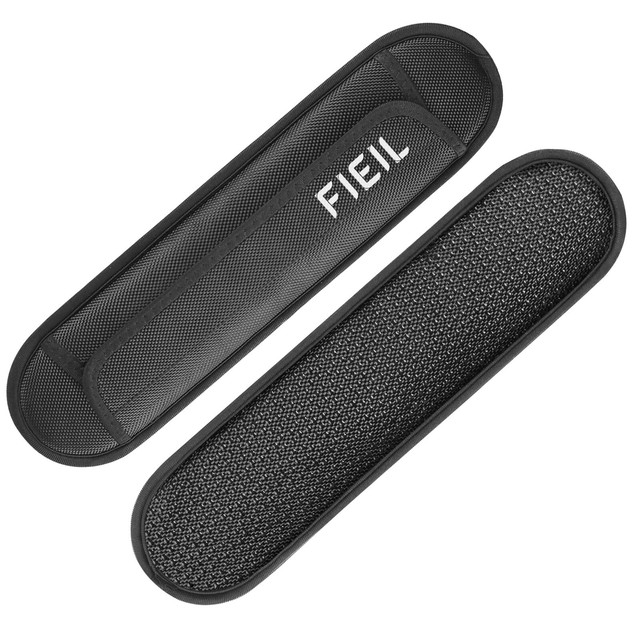
Two cheap additions that fix common problems on a bag you already own. A sternum strap stops the shoulder straps sliding outwards, which is what causes them to dig into the sides of the neck; aftermarket ones clip onto most packs. Wide gel or foam strap pads spread the pressure across a larger area of shoulder, which matters a great deal on a thin or bony frame. Together they cost very little and can make an unusable bag usable.
- Adjustable sternum strap that clips to existing webbing
- Gel or memory foam shoulder strap pads
- Universal fit on most packs
- Some pads include a phone pocket
- Fixes strap slip and neck digging cheaply
- Spreads pressure on a bony shoulder
- Transfers between bags
- Aftermarket sternum straps can slip on wide webbing
- Pads add a little bulk under the arms

Packing Cubes and Bright Internal Pouches
Organisation as an accessibility feature. Small brightly coloured cubes and pouches mean you lift out one item rather than emptying the bag to find your glasses — which is the search that causes the bending and rummaging. Bright colours matter specifically: dark items inside a dark bag are genuinely hard to see, and that gets harder with age. One cube for medication, one for electronics, one for spare layers, and the bag stops being a hole things disappear into.
- Zipped fabric cubes in several sizes
- Bright colours or clear mesh panels
- Compress contents slightly
- Washable
- Find things without emptying the bag
- Bright colours are genuinely easier to see inside a bag
- Keeps medication in one known place
- Add a little weight and take some volume
- Too many cubes recreates the original problem
Trekking Poles
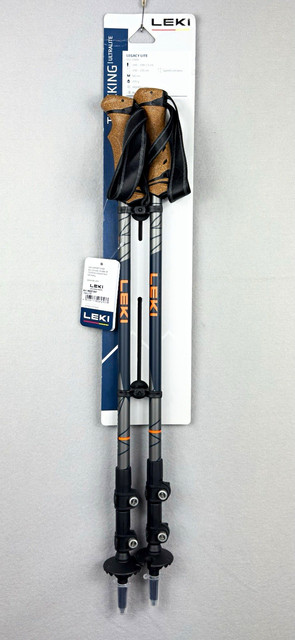
Directly relevant to a backpack article because they change what the load does to you. Poles take a measurable share of the impact off knees and hips on descents, add two points of contact for balance on uneven ground, and help you stay upright under a load rather than leaning forward. For anyone carrying weight with any balance or joint concern, a pair of poles does more good than almost any pack feature. Choose cork or foam grips and adjustable length, and learn to use the straps properly.
- Adjustable length, twist or lever lock
- Cork or foam grips
- Carbide tips with rubber covers
- Folding or telescoping for storage
- Takes load off knees and hips on descents
- Two extra points of contact for balance
- Helps you carry a pack upright rather than stooped
- Occupies both hands
- Twist locks slip when worn — lever locks are better
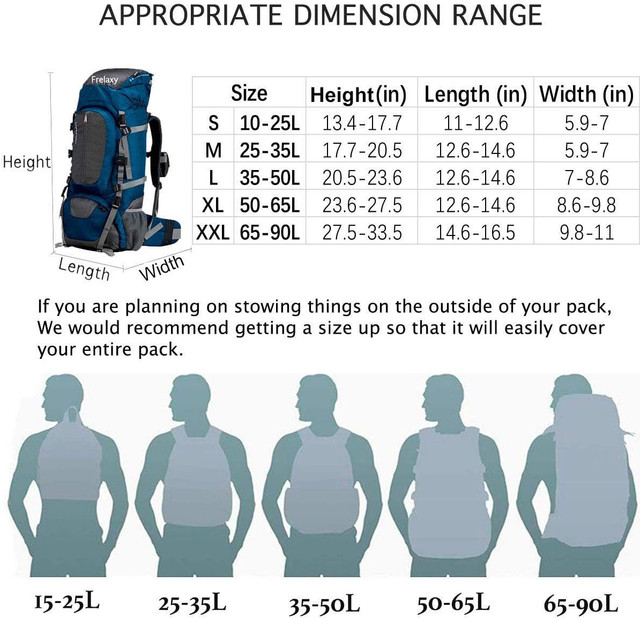
Rain Cover and High-Visibility Elements
Two small safety items. A rain cover keeps the pack and its contents dry, which matters because a soaked pack gains a lot of weight and wet layers are a genuine hypothermia risk rather than an inconvenience. High-visibility panels or a clip-on light make you visible to drivers on roads and lanes in poor light — and dusk arrives while you are still out more often than planned. Both weigh almost nothing and live permanently in the bag.
- Elasticated rain cover sized to the pack
- Reflective panels or clip-on LED
- High-visibility colours
- Stows in its own pocket
- A wet pack gets much heavier, and wet layers are a real risk
- Visibility on roads and lanes in poor light
- Weighs almost nothing and lives in the bag
- Rain covers catch the wind and can blow off
- Reflective panels do little without a light source
Buying tips
- The hip belt is the feature that matters most. A proper padded belt sitting on the top of the pelvis transfers the majority of the load off your shoulders and spine onto the strongest bones in your body. A thin webbing strap that only stops the bag swinging is not a hip belt. This one distinction matters more than capacity, brand or material.
- A hip belt only works if the back length fits. If the belt sits too high or too low for your torso, it transfers nothing and you have carried a heavier bag for no benefit. Look for an adjustable back system, or try the bag on loaded before buying. This is the reason many people conclude hip belts do not help — the belt was in the wrong place.
- Weigh the empty bag. On a modest total load, the difference between a 1.8 kg pack and a 0.9 kg one is nearly a litre of water before you pack anything. Manufacturers publish empty weights and they vary enormously between bags of the same volume. It is one of the easiest specifications to compare and one of the least compared.
- Choose a front-opening bag over a top-loader. Digging down from the top means repeated bending, twisting and rummaging, and that movement is what makes people stop using a bag. A panel loader unzips flat so you can see everything at once. It matters more than it sounds, particularly if you are keeping track of medication and small items.
- Do not carry what you can roll. For airports, stations, shopping and pavements, a wheeled bag takes the weight off your body completely and converts to a backpack for stairs. There is no virtue in carrying a load on a flat hard surface. Save the backpack for ground that actually requires it.
- Pack heavy items high and close to your spine. Weight carried low and away from the body levers you backwards and forces a stoop to compensate. Close to the spine and around shoulder-blade height keeps the load over your centre of gravity and lets you stand upright. Same bag, same weight, noticeably different to carry.
- Put it on in stages rather than swinging it over. Lift the bag onto a wall, a bench or a car boot at hip height, sit into the straps and stand up. That removes the twisting overhead lift entirely, which is the movement most likely to strain a shoulder. Loading and unloading the bag while it rests on something also beats doing it on the ground.
- Add trekking poles if there is any balance or joint concern. They take load off knees and hips on descents, give two extra points of contact on uneven ground, and help you carry a pack upright instead of leaning forward. For a lot of people they do more good than any feature on the bag itself. Choose lever locks over twist locks — twist locks slip as they wear.
As an Amazon Associate and eBay Partner, toptenpick.com earns from qualifying purchases. Prices and availability are subject to change.