

As an Amazon Associate and eBay Partner, toptenpick.com earns from qualifying purchases. Prices and availability are subject to change.
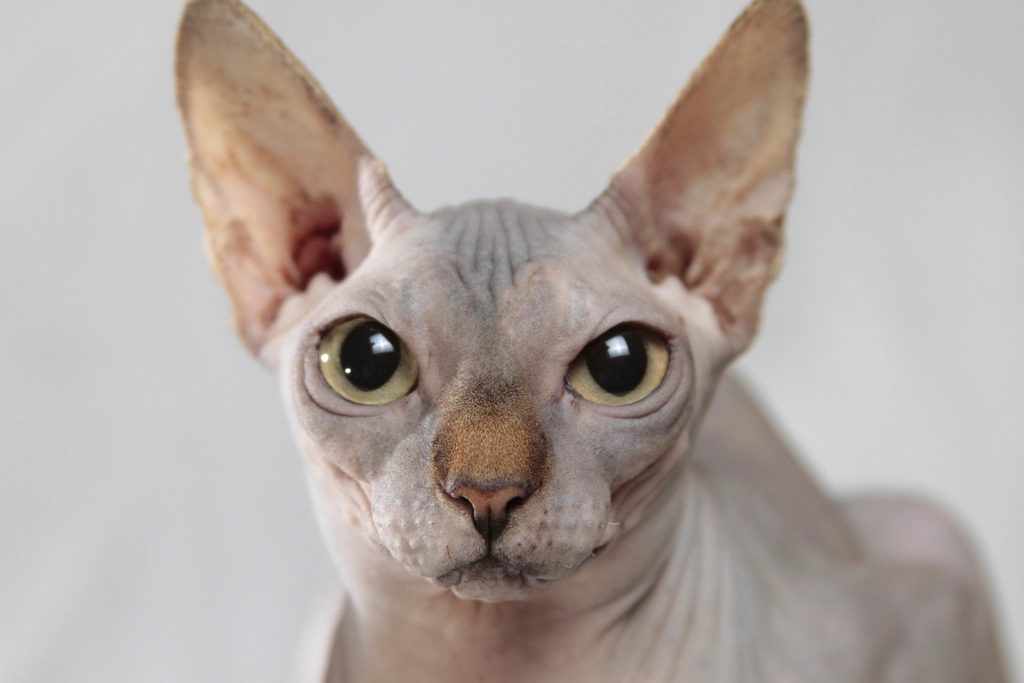
A Sphynx does not produce more oil than other cats. It produces roughly the same amount and has nowhere to put it.
Every cat’s sebaceous glands secrete sebum, which on a coated cat travels up the hair shafts, spreads through the coat and is dealt with by grooming. A Sphynx has no coat to wick it away, so the sebum stays on the skin, collects in the folds and neck creases, gathers around the nail beds and ears, and leaves a waxy brown film on bedding. That is the whole mechanism, and it explains the single most common mistake owners make.
Cleaning harder and more often makes it worse. Stripping the skin with alcohol wipes, human baby wipes or degreasing shampoo removes the sebum and the skin’s barrier along with it. The skin responds to being dried out by producing more oil — the rebound effect — so you end up in a cycle where the cat gets greasier the more you clean, and each round is harsher than the last. Breeders and Sphynx-specific care guides converge on a much gentler approach: a bath every one to two weeks as a starting point, adjusted by how the skin actually behaves, plus frequent light wiping of the specific places oil collects rather than the whole cat.
That is what wipes are for, and it is why a good wipe is a mild one rather than a strong one. Which brings in the ingredient question, and it matters more here than for most pet products because a cat licks off whatever you put on it. Tea tree oil is genuinely toxic to cats and appears in a surprising number of cleansing products. Alcohol dries and irritates. Fragrance and essential oils are common irritants on skin that has no coat protecting it. Human baby wipes, which owners reach for constantly, are formulated for a pH that does not match feline skin.
If the skin is red, scabbed, smelly or the cat is scratching, that is a vet visit, not a shopping problem. Ten picks below for routine care.
| # | Product | Price | Where to buy |
|---|---|---|---|
| 1 | Hypoallergenic Fragrance-Free Pet Wipes | $10-$25 | Amazon · eBay |
| 2 | Oatmeal or Aloe Soothing Wipes | $12-$25 | Amazon · eBay |
| 3 | Ear Cleaning Wipes or Solution | $10-$20 | Amazon · eBay |
| 4 | Gentle Sphynx-Specific Shampoo | $15-$30 | Amazon · eBay |
| 5 | Cat-Safe Skin Lotion or Barrier Cream | $15-$35 | Amazon · eBay |
| 6 | Microfibre Cloths for Daily Wiping | $10-$20 | Amazon · eBay |
| 7 | Nail and Paw Cleaning Wipes with Fine Tools | $10-$25 | Amazon |
| 8 | Washable Blankets and Bedding Covers | $25-$60 | Amazon · eBay |
| 9 | Cat-Safe Sunscreen | $12-$25 | Amazon |
| 10 | Sweaters and Soft Clothing | $12-$35 | Amazon · eBay |
The picks, in detail

Hypoallergenic Fragrance-Free Pet Wipes
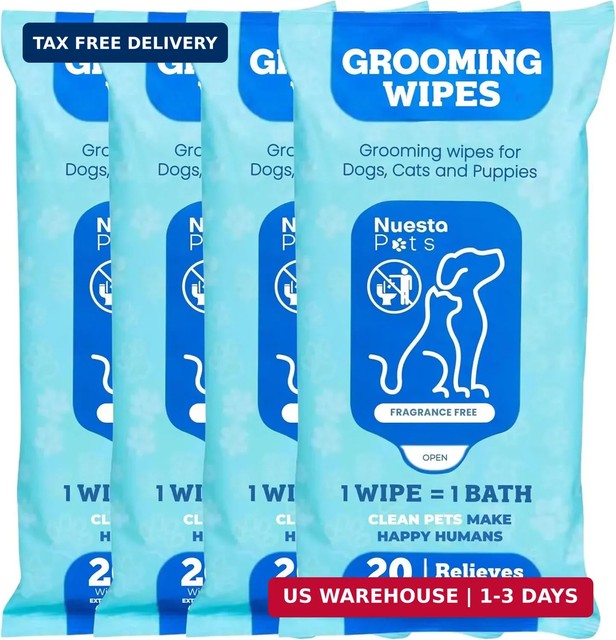
The routine workhorse and the right default. What you want is boring: no alcohol, no fragrance, no essential oils, no tea tree, pH-balanced for animals rather than people. Used daily on the neck folds, armpits, belly and between the toes, a mild wipe removes the oil before it builds into a film — which is what keeps the interval between baths long and the skin calm. Buy the largest pack you can, because the whole approach depends on doing it often and lightly.
- Alcohol-free and fragrance-free
- pH balanced for feline skin
- No tea tree or essential oils
- Large resealable packs
- Gentle enough for daily use, which is the point
- Removes oil before it builds into a film
- Cheap in bulk
- Too mild to shift established waxy buildup
- Packs dry out if the seal is not closed properly

Oatmeal or Aloe Soothing Wipes
For a cat whose skin is already irritated rather than simply oily. Colloidal oatmeal and aloe are mild anti-irritants, and on hairless skin that has been over-cleaned they help calm things while you back off the schedule. Read the ingredients carefully — ‘soothing’ is a marketing word and plenty of products carrying it also contain fragrance or botanical oils that undo the benefit. And if the irritation does not settle within a few days, that is a vet conversation rather than a different wipe.
- Colloidal oatmeal or aloe vera base
- Free from alcohol and fragrance in the good ones
- Suitable for frequent use
- Thick cloth that does not tear
- Calms skin that has been over-cleaned
- Mild enough to use while adjusting the routine
- Widely available
- ‘Soothing’ products often still contain fragrance — check
- No substitute for a vet if irritation persists

Ear Cleaning Wipes or Solution
A specific Sphynx problem. The same sebum that coats the skin builds up dramatically in ear canals that have no fur to intercept it, and Sphynx ears produce a striking amount of dark waxy discharge that alarms new owners. Regular gentle cleaning of the outer ear and the visible part of the canal handles it. Never push anything into the canal — wipe what you can see and no further. Dark wax with a smell, head shaking or scratching means an infection or mites, which is a vet visit.
- Formulated for the ear canal’s pH
- Wipes or liquid with cotton pads
- Alcohol-free formulations
- Some include a mild drying agent
- Addresses a problem specific to hairless breeds
- Prevents wax building into a plug
- Quick once the cat is used to it
- Never insert anything into the canal itself
- Smell or head shaking means a vet, not more cleaning

Gentle Sphynx-Specific Shampoo
For the bath, which wipes supplement rather than replace. A shampoo formulated for hairless breeds cleans without stripping — which is the whole distinction, because a degreasing shampoo triggers exactly the rebound the introduction describes. Start at a two-week interval and adjust: if the skin feels waxy by day ten, shorten it; if it looks dry or flaky after a bath, lengthen it or change product. The cat’s skin, not the calendar, sets the schedule.
- Formulated for hairless breeds
- Soap-free, sulphate-free options
- pH matched to feline skin
- No tea tree, fragrance or essential oils
- Cleans without stripping the skin barrier
- Avoids triggering rebound oil production
- A bottle lasts a long time
- Costs more than general pet shampoo
- Requires actually bathing the cat, which takes practice

Cat-Safe Skin Lotion or Barrier Cream
The step most owners skip and the one that breaks the oily-dry cycle. A light, cat-safe moisturiser applied after a bath replaces some of the barrier that fur would normally provide, so the skin does not respond to being cleaned by producing more oil. Applied thinly — the cat will lick it, so both the ingredient list and the quantity matter. Avoid anything with essential oils, zinc oxide or salicylates, all of which are problems for cats even in small amounts.
- Light, fast-absorbing formulation
- No essential oils, zinc or salicylates
- Designed for hairless breeds
- Small quantities go a long way
- Directly interrupts the strip-and-rebound cycle
- Reduces flaking after bathing
- A small bottle lasts months
- The cat will lick it — ingredients matter enormously
- Over-application leaves the coat greasy and attracts dirt
Microfibre Cloths for Daily Wiping
The zero-cost alternative to disposable wipes and, for daily use, arguably better. A damp microfibre cloth lifts oil mechanically without any chemistry at all, which removes the entire ingredient risk — nothing is being left on skin the cat will lick. Wash them on a hot cycle with unscented detergent and no fabric softener, since softener coats the fibres and stops them absorbing. Keep a stack and use a fresh one each time rather than reusing a greasy cloth.
- Fine microfibre that lifts oil mechanically
- Washable and reusable indefinitely
- No chemicals left on the skin
- Cheap in multipacks
- No ingredient risk at all
- Cheapest possible daily routine
- Less waste than disposable wipes
- Needs washing properly, without fabric softener
- Less effective than a wipe on heavy buildup
Nail and Paw Cleaning Wipes with Fine Tools
Sphynx nail beds collect a dark, waxy buildup that is one of the breed’s signature grooming jobs, and it needs more than a general wipe. A fine wipe wrapped around a fingertip, or a soft-tipped tool, clears the groove where the claw meets the toe. Do it gently and often rather than thoroughly and rarely — the tissue there is sensitive and a cat that finds nail cleaning painful will never let you do it again. Clip the claws at the same time while you have the paw.
- Small wipes sized for paws
- Soft-tipped cleaning tools
- Often bundled with clippers
- Alcohol-free formulations
- Handles a job general wipes cannot reach
- Prevents buildup becoming hard and painful
- Combines naturally with nail clipping
- Sensitive area — gentleness is essential
- Needs doing weekly to stay on top of

Washable Blankets and Bedding Covers
Directly relevant, because a Sphynx transfers oil to everything it sits on and then sits back down in it. Bedding that is easy to strip and wash hot, in quantity, is what keeps the cycle from running backwards. Two or three sets in rotation means you can wash frequently without the cat ever being without a bed. Choose fabrics that survive a hot wash — the oil needs heat and a proper detergent to come out, and cool washes leave it behind.
- Removable washable covers
- Hot-wash tolerant fabrics
- Several sets for rotation
- Soft textures Sphynx cats prefer
- Stops the cat re-soiling itself on its own bedding
- Rotation means washing without disruption
- Hot washing is what actually removes sebum
- Frequent hot washing shortens fabric life
- Needs a genuine laundry routine
Cat-Safe Sunscreen
An easily forgotten risk. Skin with no fur over it burns, and Sphynx cats love sunny windowsills — which is a genuine sunburn and, over years, a skin cancer risk. The critical point is the ingredient list: most human sunscreens contain zinc oxide or salicylates, both of which are toxic to cats, and a cat grooms off whatever you apply. Use only a product formulated for cats, apply sparingly to ears and nose, and manage exposure with blinds and shaded resting spots as the main defence.
- Formulated specifically for cats
- Free of zinc oxide and salicylates
- For ears, nose and other exposed areas
- Small tubes, applied sparingly
- Addresses a real and often overlooked risk
- Cat-specific formulations avoid the toxic ingredients
- A small tube lasts a long time
- Human sunscreen is genuinely dangerous here
- Managing sun exposure works better than any product

Sweaters and Soft Clothing
Practical rather than decorative, and it helps with the oil problem directly. A Sphynx loses heat quickly with no coat, and a soft sweater keeps it comfortable — while also absorbing some of the sebum that would otherwise transfer to your sofa. Wash them frequently and hot, the same as bedding. Choose seamless or flat-seamed designs, since raised seams rub on skin with no fur to cushion them, and check regularly underneath for any irritation the clothing is hiding.
- Soft cotton or fleece
- Flat or minimal seams
- Easy to get on and off
- Machine washable
- Keeps a hairless cat genuinely warmer
- Absorbs oil that would reach your furniture
- Adds a little sun protection indoors
- Raised seams rub on bare skin
- Can hide skin problems — check underneath regularly
Buying tips
- More cleaning makes the oil worse. Stripping the skin removes the barrier along with the sebum, and the skin responds by producing more. That is the rebound effect, and it is why owners who scrub hardest often have the greasiest cats. Gentle and frequent beats harsh and thorough, every time.
- Never use anything containing tea tree oil. It is genuinely toxic to cats and it appears in more cleansing and ‘natural’ grooming products than you would expect. Also avoid alcohol, added fragrance and essential oils generally. Read the full ingredient list rather than the front of the packet — a cat licks off whatever you put on it.
- Human baby wipes are the wrong product. They are formulated for human skin pH and frequently contain alcohols and perfumes. Owners reach for them because they are to hand and cheap, and they are a common cause of the irritation that then gets treated with more cleaning. Pet-specific hypoallergenic wipes cost very little more.
- Wipe the places oil collects, not the whole cat. Neck folds, armpits, belly, between the toes, around the nail beds and the outer ears. A light daily pass over those areas keeps buildup from ever forming, which is what lets you bathe less often. Wiping the whole cat every day is both unnecessary and drying.
- Let the skin set the bath schedule, not the calendar. Start at roughly every two weeks. If the skin feels waxy or sticky by day ten, shorten the interval. If it looks dry or flaky after a bath, lengthen it or change to a milder product. The right number varies between individual cats and there is no universal answer.
- Moisturise after bathing. A light, cat-safe lotion replaces some of the barrier that fur would normally provide, which stops the skin overproducing oil in response to being cleaned. This is the step that breaks the cycle, and it is the one most owners never take. Apply thinly, and check the ingredients — no zinc, no salicylates, no essential oils.
- Wash bedding hot and often. A Sphynx deposits oil on everything it sits on and then lies back down in it. Sebum needs heat and proper detergent to come out, so cool washes just move it around. Two or three sets of bedding in rotation makes a frequent hot-wash routine practical.
- Red, scabbed, smelly or itchy skin is a vet visit. Yeast infections, mites, ringworm and allergies all look like ‘dirty skin’ on a hairless cat and none of them get better with cleaning — several get worse. If the cat is scratching, if there is a smell, or if the skin is broken, stop changing products and make an appointment.
As an Amazon Associate and eBay Partner, toptenpick.com earns from qualifying purchases. Prices and availability are subject to change.