

As an Amazon Associate and eBay Partner, toptenpick.com earns from qualifying purchases. Prices and availability are subject to change.
A stainless steel bottle in a 90 °C room becomes something you should not pick up barehanded, and that is the first thing to sort out. Metal conducts heat quickly and has a high emissivity, so a bare steel bottle sitting on a wooden bench in a hot room climbs towards room temperature far faster than the wood it is resting on — and the lid, usually a smaller piece of metal, gets there first. This is why plenty of gyms and public saunas ban metal containers outright, and it is a sensible rule rather than an officious one.
A vacuum flask changes the problem but does not remove it. The double wall is genuinely effective: with cold water inside, a good vacuum bottle keeps that water cold through a sauna session because the vacuum blocks conduction and convection. What it does not do is keep the outside cool — the outer skin is still steel sitting in a hot room, so you get cold water in a hot container. That is mostly a good trade, provided you know the lid will be hot and you do not leave it on the top bench in direct heat.
Plastic is the other obvious answer and the picture is mixed. Ordinary polypropylene and Tritan bottles are typically specified for use well below sauna temperatures, and while a bottle sitting for twenty minutes in 80 to 90 °C air is not going to melt, repeated heat cycling softens and distorts plastics and shortens their life considerably. If you use plastic, use it as a consumable and keep it off the hot upper benches. Silicone is a better bet for gaskets and collapsible bottles, being genuinely rated for high temperatures.
There is a practical point that matters more than any of this. The best answer for most people is not to take a bottle into the hot room at all. Drink properly before, step out between rounds and drink in the cool-down area, and rehydrate afterwards — which is how traditional sauna use works anyway. Sipping continuously inside is not more hydrating, and a bottle on a bench is one more thing to knock over on a wet floor.
Finally, check the rules where you go. Glass is banned in essentially every public sauna for the obvious reason, many ban metal, and some ban everything but a disposable cup. That varies by venue and no product page will tell you.
The list runs from what suits the hot room, through the cool-down area, to the home-sauna owner with different constraints.
| # | Product | Price | Where to buy |
|---|---|---|---|
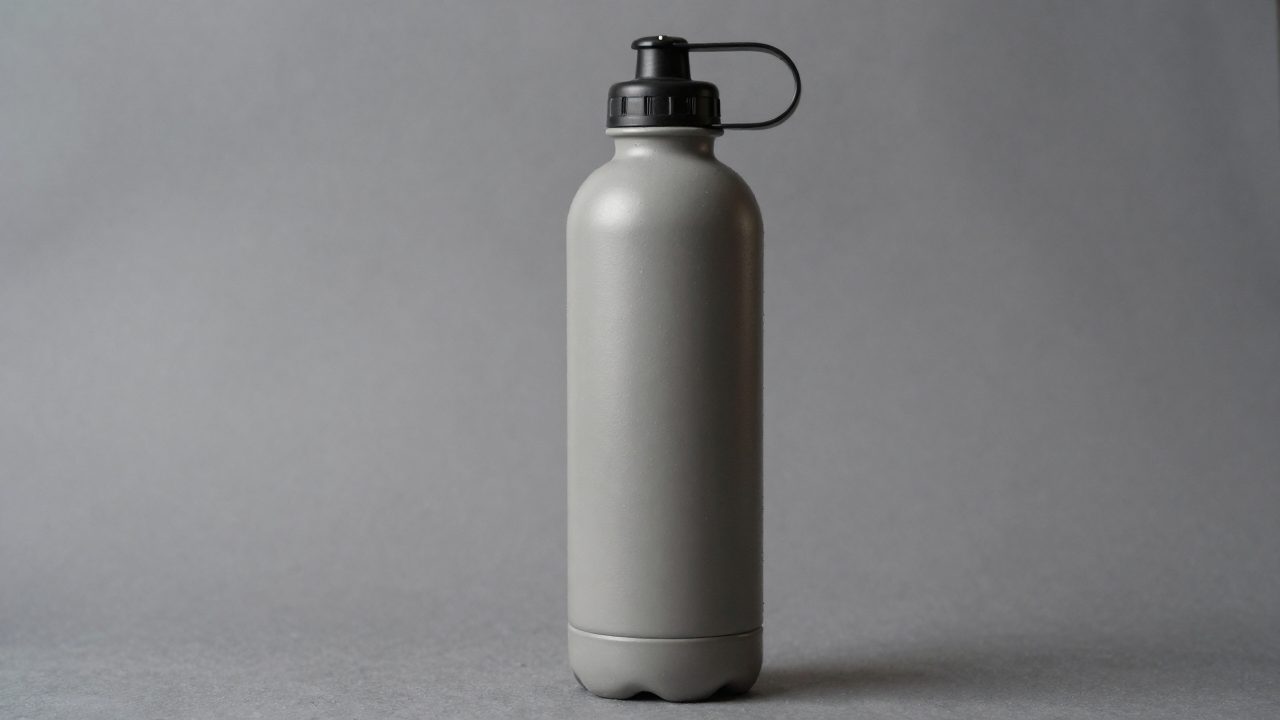
| 1 | Insulated Stainless Vacuum Bottle with a Plastic Lid | $25–$45 | Amazon · eBay |
| 2 | Silicone Collapsible Water Bottle | $15–$30 | Amazon · eBay |
| 3 | Wide-Mouth Tritan Plastic Bottle | $12–$25 | Amazon · eBay |
| 4 | Insulated Tumbler with a Sealed Lid | $25–$45 | Amazon · eBay |
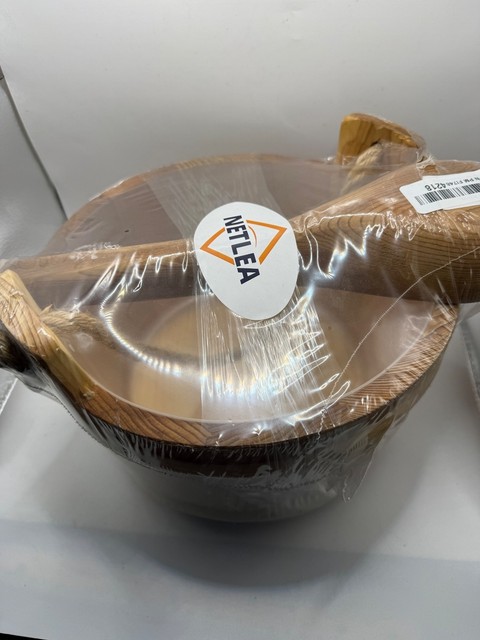
| 5 | Wooden Sauna Bucket and Ladle | $25–$60 | Amazon · eBay |
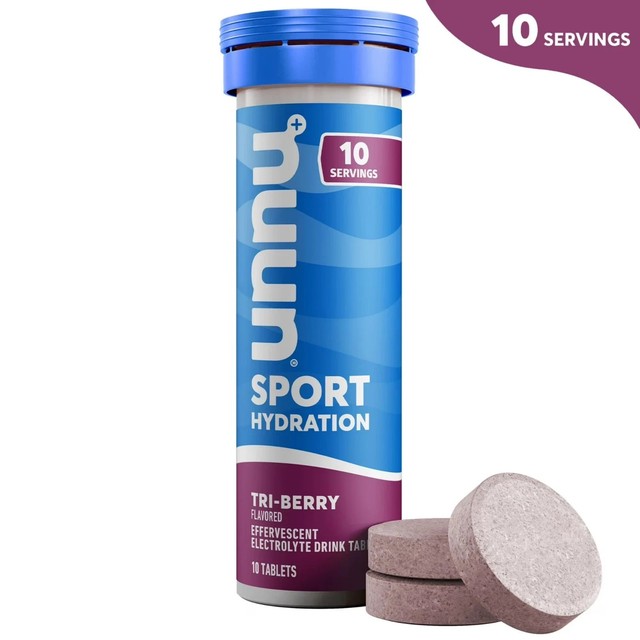
| 6 | Electrolyte Tablets or Powder | $12–$25 | Amazon · eBay |
| 7 | Sauna Bench Towel | $15–$35 | Amazon |
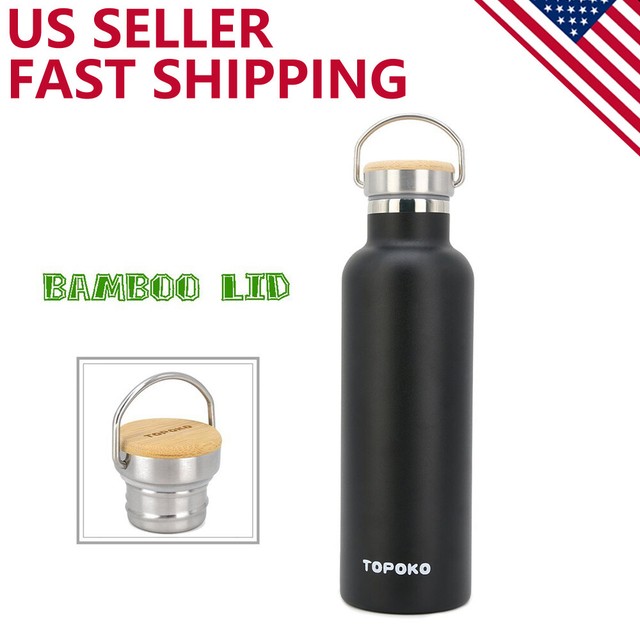
| 8 | Insulated Bottle with a Bamboo or Wood Lid | $28–$50 | Amazon · eBay |
| 9 | Glass Water Bottle (banned almost everywhere) | $15–$35 | Amazon · eBay |
| 10 | Large Cool-Down Jug for Outside the Hot Room | $30–$60 | Amazon · eBay |
The picks, in detail

Insulated Stainless Vacuum Bottle with a Plastic Lid
The best compromise if you are taking anything in. The vacuum wall keeps the water genuinely cold through a session, and a plastic or plastic-topped lid removes the single worst burn risk — a bare metal cap you unscrew with wet fingers. Look for a powder-coated exterior rather than bare steel, which is slightly less unpleasant to handle, and keep it on the lower bench.
- Double-wall vacuum insulation
- Plastic or plastic-capped lid
- Powder-coated exterior finish
- Wide range of capacities
- Water stays genuinely cold through a session
- Plastic lid removes the worst contact-burn point
- Durable and easy to clean
- The steel body still gets hot to the touch
- Banned outright in some gyms and public saunas
- Heavy compared with plastic

Silicone Collapsible Water Bottle
Silicone is genuinely rated for temperatures well above anything a sauna produces, it does not conduct heat the way metal does, and it will not shatter. A collapsible bottle also packs down into a towel afterwards, which suits a gym bag. It is floppy when full and the wide mouth is easier to knock over than a rigid bottle, so it belongs on the floor or a lower bench rather than balanced beside you.
- Food-grade silicone body
- Collapses when empty
- High temperature tolerance
- Usually a plastic or silicone cap
- Silicone handles sauna temperatures comfortably
- Does not get hot to hold
- Packs flat afterwards
- Floppy and easy to knock over when full
- Silicone picks up odours over time
- Narrow range of capacities

Wide-Mouth Tritan Plastic Bottle
The default gym bottle, and honest about what it is here: convenient, light, cheap, and not designed for repeated heat cycling. Tritan and similar copolyesters are typically specified well below sauna temperature, and while a bottle will not fail in one session, repeated exposure distorts and clouds it. Treat it as a consumable, keep it off the hot bench, and replace it when it starts to warp.
- Tritan copolyester body
- Wide mouth for ice and cleaning
- Light and cheap
- Dishwasher safe
- Light and inexpensive
- Wide mouth takes ice, which helps in a hot room
- No burn risk from the body
- Not designed for repeated high-temperature exposure
- Distorts and clouds with heat cycling
- Warm water inside within minutes

Insulated Tumbler with a Sealed Lid
A tumbler with a proper sealing lid is arguably better suited to sauna use than a bottle, for one reason: it takes ice. Loading it with ice before you go in means the water is still genuinely cold at the end of a session rather than merely cool. The same metal-exterior caveat applies, and a straw lid is easier to drink from than a screw cap when your hands are wet.
- Double-wall vacuum insulated tumbler
- Sealing lid, often with a straw
- Takes ice cubes easily
- Powder-coated finishes
- Ice capacity keeps water genuinely cold
- Straw lid is easy with wet hands
- Stable base on a bench
- Metal exterior still heats up
- Straw lids are harder to clean properly
- Bulkier than a bottle in a gym bag
Wooden Sauna Bucket and Ladle
The traditional answer, and the reason it is traditional is thermal: wood is a poor conductor, so a wooden bucket and ladle stay comfortable to handle in a room where metal does not. This is for the löyly water thrown on the stones rather than for drinking, and it is the item most home sauna owners actually need. Untreated wood needs drying between uses or it will split and eventually go mouldy.
- Untreated or lightly finished wood, often cedar or aspen
- Matching long-handled ladle
- Plastic liner on some models
- Stays cool to handle in a hot room
- Wood stays comfortable to hold at sauna temperatures
- The correct tool for löyly water
- Looks and smells right in a sauna
- For the stones, not for drinking
- Splits if stored bone dry or left soaking
- Needs proper drying to avoid mould
Electrolyte Tablets or Powder
More relevant than the container, because a sauna session is a sweat loss and plain water replaces the volume but not what left with it. Effervescent tablets or a powder added to your cool-down bottle handle sodium and potassium without the sugar load of a sports drink. Use them after, not during — this is a recovery product and the cool-down area is where it belongs.
- Sodium, potassium and magnesium
- Effervescent tablets or single-serve powders
- Low or zero sugar formulations
- Tubes fit a gym bag
- Addresses what sweat actually removes
- Cheap per serving and easy to carry
- Low-sugar options avoid the sports drink trade-off
- Unnecessary for a short single session
- Some formulations are heavily sweetened
- Not a substitute for drinking enough water
Sauna Bench Towel
Included because it is the item people actually forget and because it solves a version of the same problem — hot surfaces against skin. A dedicated bench towel sits between you and wood that has been at 85 °C for an hour, keeps your sweat off shared benches, which is basic etiquette and mandatory in many venues, and gives you something to set a bottle on rather than bare hot wood.
- Absorbent cotton or linen
- Sized for a bench rather than a body
- Fast drying weaves available
- Often sold as a pair with a body towel
- Required etiquette in most saunas, and mandatory in many
- Insulates you from very hot bench wood
- Gives a bottle somewhere cooler to sit
- Another thing to wash after every session
- Thin towels do little against a very hot bench
- Linen versions are expensive
Insulated Bottle with a Bamboo or Wood Lid
A small detail that matters in this specific setting. Wood and bamboo lids conduct heat far more slowly than metal, so the part you actually touch with wet hands stays manageable while the vacuum body keeps the contents cold. They cost a little more and need slightly more care — a wooden lid should not go through a dishwasher — and in a sauna they are a genuinely sensible choice rather than a styling one.
- Vacuum insulated steel body
- Bamboo or wood lid
- Silicone gasket seal
- Hand wash the lid
- The part you touch stays cool
- Vacuum body keeps water cold
- Looks appropriate in a sauna setting
- Wooden lids must not go in a dishwasher
- Gasket needs checking for mould
- More expensive than a plain steel lid

Glass Water Bottle (banned almost everywhere)
Named so the answer is clear. Glass is prohibited in essentially every public sauna and changing area, for the obvious reason: a wet tiled floor, bare feet and broken glass is a serious injury, and thermal shock from cold glass in a hot room is a real mechanism rather than a theoretical one. Even in a home sauna it is the wrong choice. Do not take glass in.
- Borosilicate or soda-lime glass body
- Silicone protective sleeve on many
- No taste transfer
- Dishwasher safe
- Nothing that outweighs the objection below
- Banned in essentially every public sauna and changing room
- Bare feet and a wet tiled floor make breakage genuinely dangerous
- Thermal shock risk moving between temperature extremes

Large Cool-Down Jug for Outside the Hot Room
The purchase that fits how saunas are actually used. Rounds are short, you step out between them, and the cool-down area is where drinking properly happens — so a large insulated jug left in the changing room does more for you than any bottle carried inside. Half a gallon of iced water waiting outside covers a whole session and removes the reason to take anything into the heat at all.
- 1.9 to 3.8 litre insulated capacity
- Carry handle and spout or wide lid
- Holds ice for many hours
- Stands stable on a bench or floor
- Matches how sauna sessions actually work
- Keeps a full session’s water genuinely cold
- Nothing to carry into the hot room
- Too large to take anywhere but the changing area
- Heavy when full
- Needs somewhere secure to leave it
Buying tips
- Assume a metal bottle will be hot to touch. Steel conducts heat quickly in an 80 to 90 °C room, the lid gets there first, and plenty of venues ban metal containers for exactly this reason.
- Understand what a vacuum flask does and does not do. It keeps the water inside cold very effectively; it does nothing to keep the outside of the bottle cool.
- Choose a plastic, wood or bamboo lid if you take a steel bottle in. The lid is the part you handle with wet hands and it is the worst burn risk on the bottle.
- Treat plastic bottles as consumables. Tritan and similar are specified well below sauna temperature, and repeated heat cycling distorts and clouds them even though a single session will not.
- Load it with ice, not just cold water. Ice is what keeps the contents genuinely cold to the end of a session rather than merely cool at the start.
- Drink in the cool-down area rather than inside. Rounds are short, stepping out between them is how sauna use works, and sipping continuously in the heat is not more hydrating.
- Add electrolytes after, not during. Sweat removes salts as well as water, and a tablet in your cool-down bottle addresses that better than plain water does.
- Never take glass in, and check the venue’s rules on metal. Glass is banned almost everywhere for good reason, and metal bans are more common than people expect.
As an Amazon Associate and eBay Partner, toptenpick.com earns from qualifying purchases. Prices and availability are subject to change.