

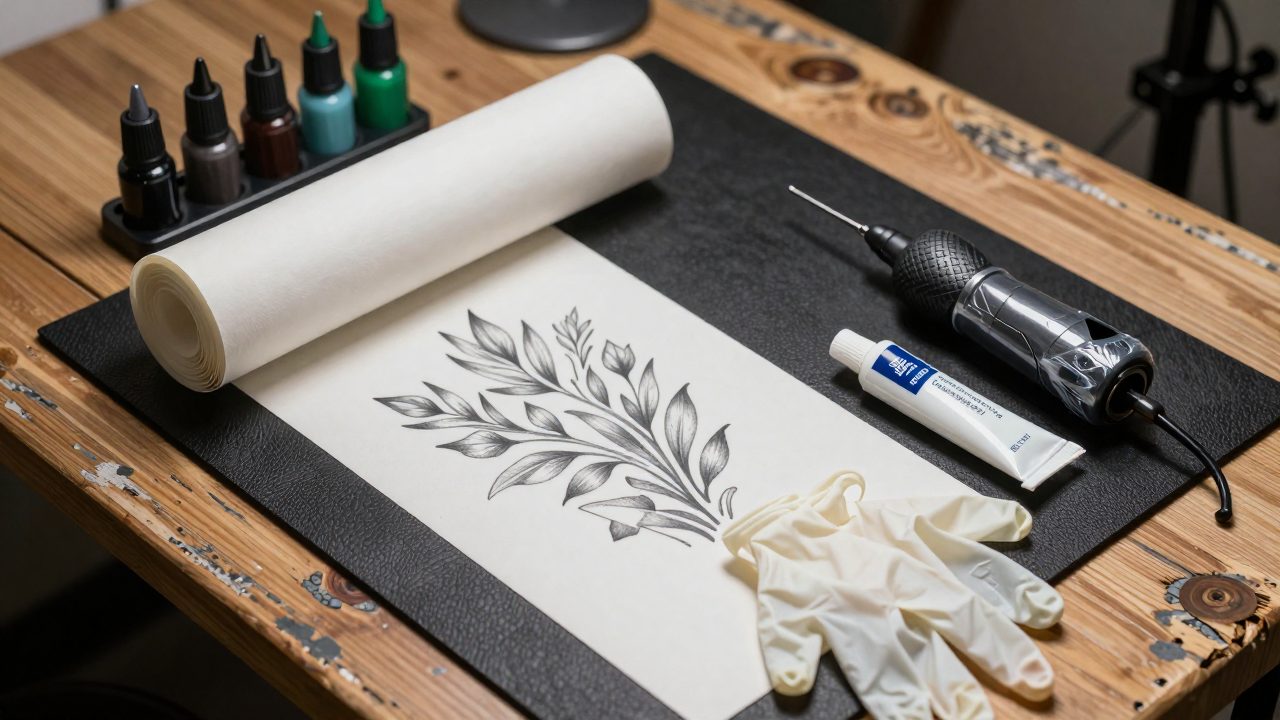
A tattoo cannot remove cellulite or change the connective tissue and skin texture that creates dimpling. Ink sits in the skin; it does not smooth the surface beneath it. A design may change where the eye goes and can alter the overall appearance of an area, but the result depends on lighting, posture, skin movement, the artist’s technique, and how the tattoo heals. Treat a tattoo as permanent body art, not a cellulite treatment or a guaranteed cover-up.
Start with an honest design goal
Cellulite is a common cosmetic skin texture, often seen on the thighs and buttocks. The American Academy of Dermatology explains that some medical treatments can make it less noticeable for a time, but a tattoo is not one of those treatments. If the goal is to change the actual dimpling, discuss options with a board-certified dermatologist or another qualified medical professional. If the goal is to get a tattoo you like in an area with cellulite, the question becomes how to select artwork that remains appealing when the skin is standing, sitting, moving, and seen in different light.
A good consultation does not begin with a promise to hide every dimple. It begins with a design that you would still want if the texture remains visible. This matters because cellulite can look more or less pronounced as lighting, muscle tension, body size, and age change. A permanent design deserves a broader reason than correcting a feature that may look different from day to day.
Design directions to discuss
Botanical or flowing illustration: leaves, flowers, branches, waves, and other organic forms can give the eye a larger image to follow. They are useful starting ideas for a thigh or hip because an experienced artist can shape the composition to the body’s contours. That is an aesthetic choice, not evidence that plants camouflage cellulite better than every other style.
A larger coherent composition: a piece that deliberately occupies the intended area can read as one image rather than as a small isolated mark. Size also brings practical tradeoffs: more time, more cost, more healing surface, and a design that may be difficult to alter later. Ask the artist to show the complete placement on the body rather than only a flat drawing.
Illustrative shading and texture: graduated shading, varied line weight, or an image with natural detail may suit someone who does not want a stark graphic mark. The key word is may. Shading changes as it heals and ages, and no artist can promise that it will conceal a particular skin texture in all lighting.
Graphic or geometric work: this can look excellent on textured skin when the client genuinely likes the style. Precise symmetry, dense linework, and sharp borders require careful placement because stretched or moving skin changes how any design reads. Instead of rejecting geometric work outright, ask for an honest discussion of scale, line density, and how the design will look when seated and standing.
Use the consultation well
Choose a licensed studio where required by local law and an artist whose portfolio shows healed work, not only fresh tattoos under flattering light. A portfolio can demonstrate drawing style and placement judgment, but it cannot guarantee your result. Ask to see healed work with similar scale and placement, and explain that the area has visible texture in some positions. A professional can then say whether the proposed composition is feasible without offering a medical or cosmetic guarantee.
Bring references for mood and subject matter, but let the artist draw for your anatomy. If you are comfortable, show the actual area in the positions that matter: relaxed standing, sitting, and a natural walking stance. Do not rely on a single filtered photograph. Request a stencil placement check and look at it upright, seated, and from ordinary viewing distance before any ink is applied. This is the time to change size, orientation, or the boundaries of the piece.
Discuss the long term as well. Weight change, pregnancy, aging, sun exposure, and normal skin changes can affect the apparent shape and texture of the area. No artist can predict every change. A design with room to breathe may age differently from a highly packed pattern. Ask how future additions, cover-ups, or laser removal would be affected by the proposed ink density and color, even if you have no current plan to change it.
Safety comes before style
Tattooing breaks the skin, so studio hygiene and aftercare are part of the decision. Mayo Clinic recommends checking local licensing rules, using trained artists, and confirming that the artist wears fresh disposable gloves and opens needles and tubes from sealed packages. Do not use a do-it-yourself kit or allow an untrained person to tattoo you. The American Academy of Dermatology notes that reactions and infections can occur even after a licensed tattoo and careful aftercare.
Do not tattoo over a rash, open skin, a suspected infection, or a changing mole without medical advice. The AAD advises keeping tattoo ink away from moles and other spots that a dermatologist may need to monitor. Tell the artist about allergies, past skin reactions, medications, and any condition that affects healing. A tattoo artist can advise on their process; a dermatologist or prescribing clinician should answer health questions.
During healing, some soreness, redness, swelling, clear fluid, itching, flaking, and scabbing can occur. The AAD advises prompt medical care if redness spreads or darkens, pain continues or worsens, an itchy painful rash develops, fever or chills occur, pus appears, or there are open sores. Follow the studio’s written aftercare instructions and seek medical help rather than trying to tattoo over or self-treat a suspected reaction.
Decide without a cover-up promise
- Choose art first. Pick a subject and style you want independently of whether it distracts from cellulite.
- Review placement in motion. Check the stencil standing and sitting in ordinary light.
- Ask for healed examples. Fresh photos cannot show how every tattoo settles over time.
- Keep medical goals separate. A tattoo may alter visual focus, but it does not treat cellulite texture.
- Prioritize safe practice. Verify local licensing, sterile single-use equipment, and aftercare support.
The best tattoo for an area with cellulite is therefore not a universal style or a promise of flawless coverage. It is a design you genuinely like, planned with a skilled licensed artist for the actual body area, and obtained with safe tattoo practices. If cellulite itself is causing distress or you are considering a medical cosmetic procedure, speak with a qualified dermatologist about realistic options separately from the tattoo decision.