

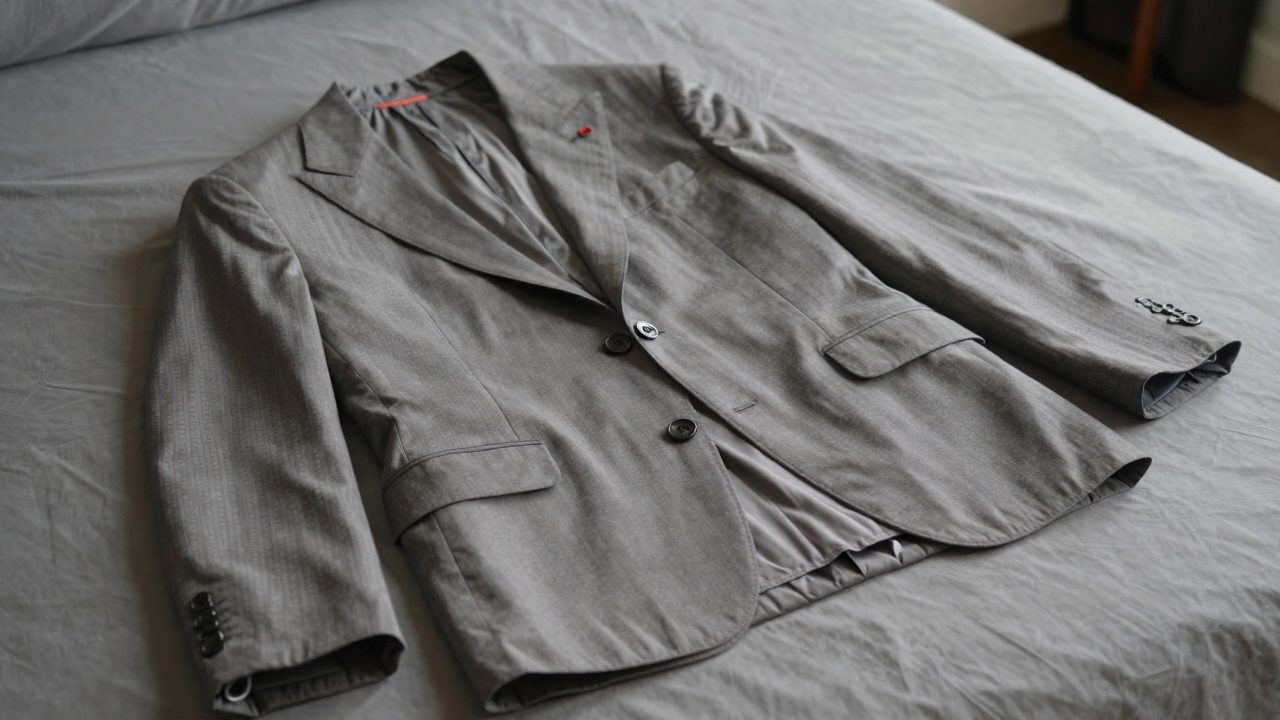
How to choose a suit tailor in San Diego
Do not begin by trying to find one “best” tailor. Decide whether you need an alteration, made-to-measure clothing, or a bespoke commission, then ask a local shop to explain its process in writing. Give the real event date and intended use before leaving a garment or paying a deposit. San Diego’s mild, generally dry climate also makes use case important: clothing for an outdoor ceremony, warm office, travel, or occasional evening wear can call for different fabric, lining and construction choices.
Know what service you are buying
In traditional tailoring language, bespoke is cut from an individual pattern drafted for one wearer and usually involves several fittings. Made-to-measure begins with a house pattern and modifies it to measurements and options. “Custom” can mean either, so ask whether a pattern is drafted from scratch, how many fittings are included, where the garment is cut and sewn, and what changes remain possible after the first fitting.
Alterations begin with a finished garment. They can improve a good starting fit but cannot reliably turn every ready-to-wear suit into a different size or silhouette. Ask which changes are structural, which are cosmetic, and whether seam allowances, pockets, vents, lining, fabric condition and construction leave enough material for the work. A transparent no is better than an optimistic promise that makes a suit worse.
Prepare properly for the first fitting
Bring the shirt, shoes, belt and underlayers you expect to wear with the suit. Empty pockets, wear the correct heel height, and avoid trying to assess a jacket over a bulky substitute shirt. Explain the occasion, whether you will sit, drive, travel or stand for long periods, and the fit you are trying to achieve. Mention posture, uneven shoulders, athletic legs, recent weight change, or a preference for room when seated. These details help a tailor decide whether the garment is a sound candidate for alteration.
Stand naturally, then walk, sit and raise your arms. A fitting should consider collar contact, shoulder line, chest comfort, jacket buttoning, sleeves, trouser waist, seat, thigh, rise, hem and break. Ask the tailor to mark changes while you wear the garment and explain the sequence: intake, fitting, work, correction, final fitting and collection. For a new garment, ask when the first fitting occurs and what happens if it differs from expectation.
Fabric, construction and alteration limits
Ask to see fabric in good light and note fiber, weight, weave, pattern scale and care. Discuss fused, half-canvassed or fully canvassed construction, lining, shape, weight and maintenance without assuming one option is always best. Ask who does the work, where it is completed, who checks it, and who handles a redo.
Feasibility depends on the garment. Trouser hemming, modest waist work within available allowance, sleeve shortening from an appropriate end, or taking in a jacket body may be practical. Major shoulder work, substantial chest or back changes, moving armholes, changing jacket length, or remaking a suit across several sizes can be costly, visibly disruptive or impossible. Ask the tailor to identify the risk of each proposed change before work starts.
For trousers, ask whether waist work will preserve seat and hip balance, whether tapering changes the line, and how the hem works with your shoes. For jackets, ask about sleeve construction, working buttonholes, vents, pockets, lining and proportions. If a shop cannot explain why a requested change is limited, pause before authorizing it. The condition of an older garment, fading, prior repairs, and fabric fragility can matter as much as the measured size.
Turnaround, deposits and a usable redo policy
Ask for the ready-for-fitting date, not only a vague completion date. Confirm what happens if extra work is found, how delays are communicated, and how much final-fitting time is available before an event. Before a deposit, ask what it covers, whether fabric or special-order charges are refundable, and what happens if the job proves unsuitable. Request an itemized ticket describing the garment, work, date, deposit, balance and agreed limits.
Ask about the redo policy before payment: the return window, what fit concern qualifies, whether you must bring the same shoes and shirt, and whether the same person performs the correction. At collection, try on the garment rather than judging it on a hanger. Repeat the movements from the first fitting, check the agreed changes, and raise a specific issue promptly. A clear written process is more useful than an informal assurance that “we will take care of it.”
Evaluate local options without rankings
Use recent reviews as leads rather than proof; prioritize specific reports about the kind of work you need, communication and problem resolution. Verify current contact details and consider a small alteration before entrusting an important garment. California law prohibits businesses providing clothing alterations from charging different prices for similar services because of gender. The right local tailor inspects the actual garment, explains realistic limits, records the agreement and gives time for a final check. Process, communication and a fit you can move in matter more than a superlative listing.