

As an Amazon Associate and eBay Partner, toptenpick.com earns from qualifying purchases. Prices and availability are subject to change.
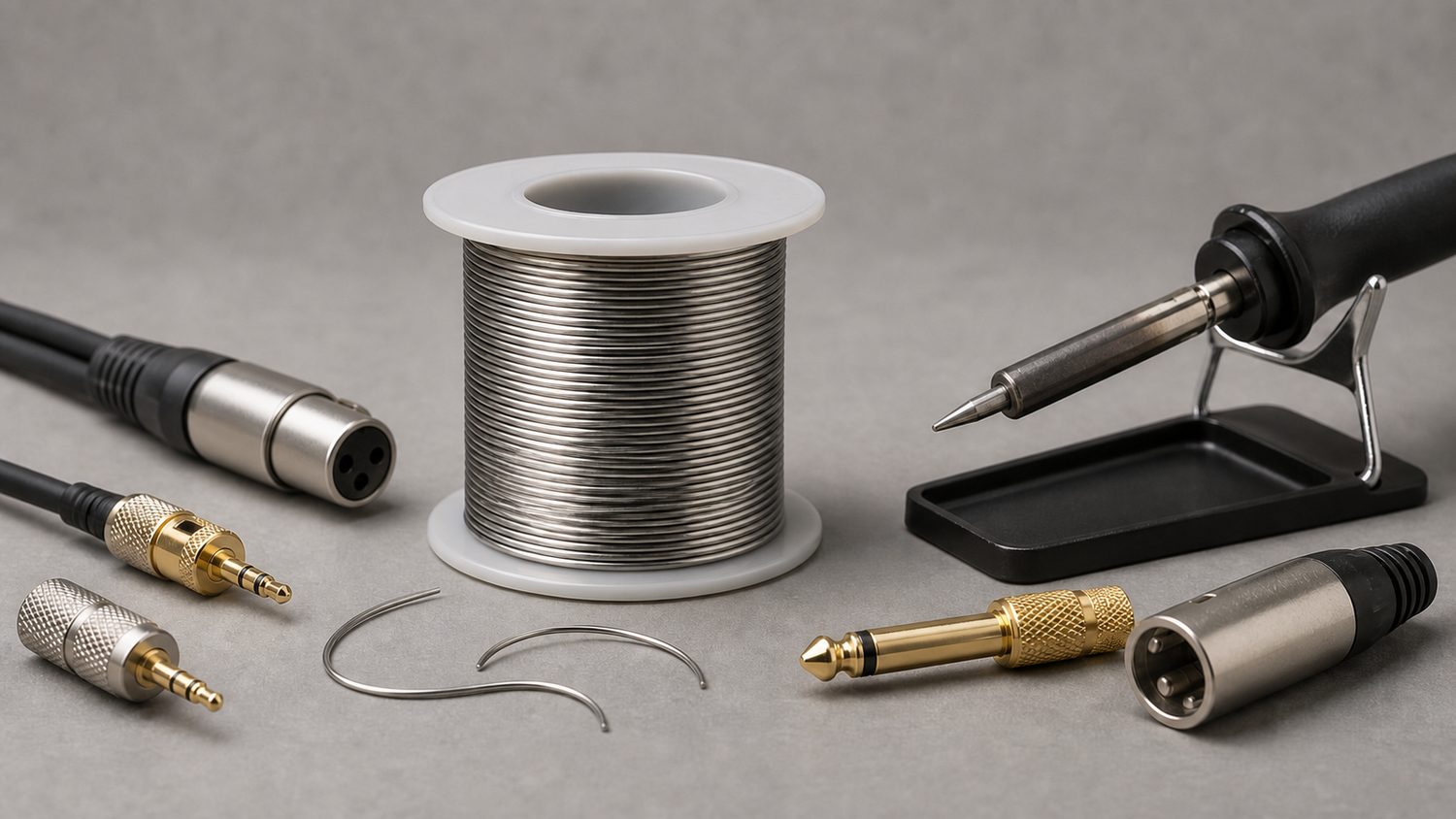
Soldering an RCA, XLR, or 1/4″ connector is one job where the solder itself actually matters — a cold or oxidized joint on a signal pin causes crackle, dropouts, or hum long before the connector housing fails. The choices break down into three tiers: standard leaded rosin-core for reliability and ease, silver-bearing leaded alloys audiophile cable builders favor for wetting on plated pins, and lead-free alloys for anyone soldering without leaded metal. Here are the solders that actually show up in audio-cable and connector work, not general electronics assembly.
| # | Product | Price | Where to buy |
|---|---|---|---|
| 1 | Kester 44 Rosin Core Solder (63/37) | $12-$18 (1lb spool) | Amazon · eBay |
| 2 | Kester 48 Silver-Bearing Solder (2% Silver) | $15-$22 | Amazon |
| 3 | Cardas Quad Eutectic Silver Solder | $25-$45 | Amazon · eBay |
| 4 | WBT-0800 Silver Solder (4% Silver) | $30-$50 | Amazon · eBay |
| 5 | MG Chemicals 4900 Series Lead-Free Silver-Bearing Solder | $10-$18 | Amazon · eBay |
| 6 | Kester 245 No-Clean Solder | $14-$20 | Amazon · eBay |
The picks, in detail

Kester 44 Rosin Core Solder (63/37)
The industry-standard leaded rosin-core solder audio techs reach for first — reliable wetting and a shiny finish that makes a cold joint easy to spot on sight.
- 63/37 tin-lead eutectic alloy melts and flows at a low, consistent temperature
- .031″/0.8mm diameter suits RCA, XLR, and 1/4″ jack terminals
- Rosin flux core needs no separate flux for a clean joint
- Shiny cured finish makes bad joints visually obvious
- Forgiving for beginners
- Widely stocked and inexpensive
- Contains lead — ventilate and wash hands after use
Kester 48 Silver-Bearing Solder (2% Silver)
Kester’s silver-bearing alloy, popular for connector pins where a touch of silver improves wetting on nickel- or gold-plated contacts.
- 2% silver content improves flow on plated connector pins
- Rosin-core flux, .031″ common diameter
- Good fit for XLR pin sockets and gold-plated RCA barrels
- Better wetting on plated pins than plain 63/37
- Still leaded, so it’s easy to work with
- Pricier than plain 63/37 solder

Cardas Quad Eutectic Silver Solder
A cult favorite among cable DIYers, blending silver, copper, tin, and lead for connector-to-conductor joints cable builders describe as flowing like warm butter.
- Proprietary quad-metal eutectic blend
- 0.032″/0.8mm diameter with rosin flux core
- Sold in small audiophile-sized spools (roughly 11ft/1/4lb)
- Very clean, easy flow reported by cable builders
- Leaves a smooth meniscus on the joint
- Expensive per foot next to generic solder
- Small spool sizes for a one-off project

WBT-0800 Silver Solder (4% Silver)
A German audiophile standard with halogen-free flux and 4% fine silver, aimed squarely at connectors and precious-metal-plated terminals.
- 4% silver content
- Halogen-free flux that’s gentle on gold/silver plating
- Low 356°F/180°C melting point
- Sold in 1/8lb (42g) reels
- Gentle on plated connector surfaces
- Well regarded in headphone and cable DIY circles
- Premium price
- Small reel size
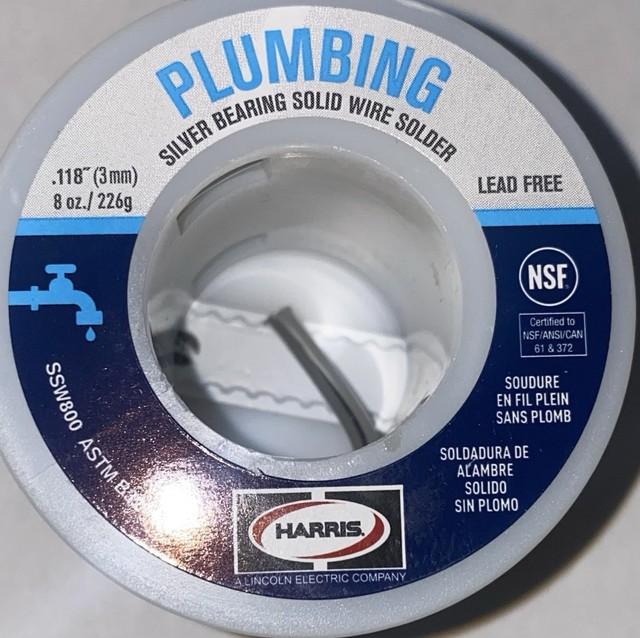
MG Chemicals 4900 Series Lead-Free Silver-Bearing Solder
The go-to lead-free option for anyone who wants silver-solder wetting without leaded alloy, at a mainstream electronics-supplier price.
- 96.5Sn/3Ag/0.5Cu lead-free alloy
- ~221°C melting point
- RoHS compliant, widely available in small reels
- No lead
- Easy to find
- Needs a hotter iron and more flux care than leaded solder to avoid dull joints
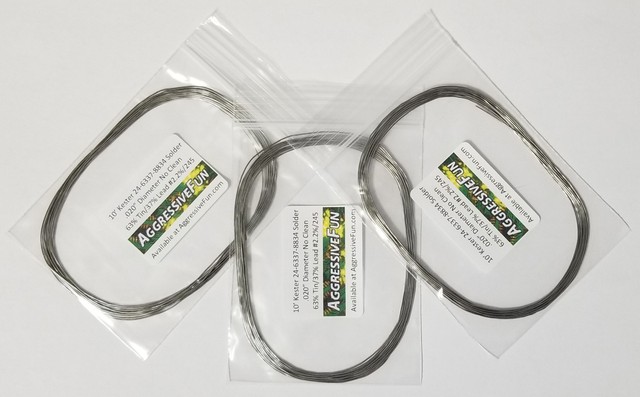
Kester 245 No-Clean Solder
Kester’s no-clean flux formula for anyone who doesn’t want to wipe rosin residue off a connector housing after every joint.
- No-clean flux core skips the isopropyl-alcohol cleanup step
- Silver-bearing versions available for connector work
- Widely used in production electronics assembly
- No post-solder cleaning needed
- Consistent flow
- Residue can still look slightly hazy — some cable builders clean it off connectors anyway for cosmetics
Buying tips
- Match a 40-60W (or temperature-controlled) iron to fine-gauge connector work — an underpowered iron causes cold joints, not the solder itself.
- Clean connector barrels with isopropyl alcohol before soldering; oxidation and old flux residue cause more noisy connections than the alloy choice does.
- If you’re using lead-free solder for health reasons, budget a slightly hotter tip temperature and more working time than leaded 63/37.
As an Amazon Associate and eBay Partner, toptenpick.com earns from qualifying purchases. Prices and availability are subject to change.