

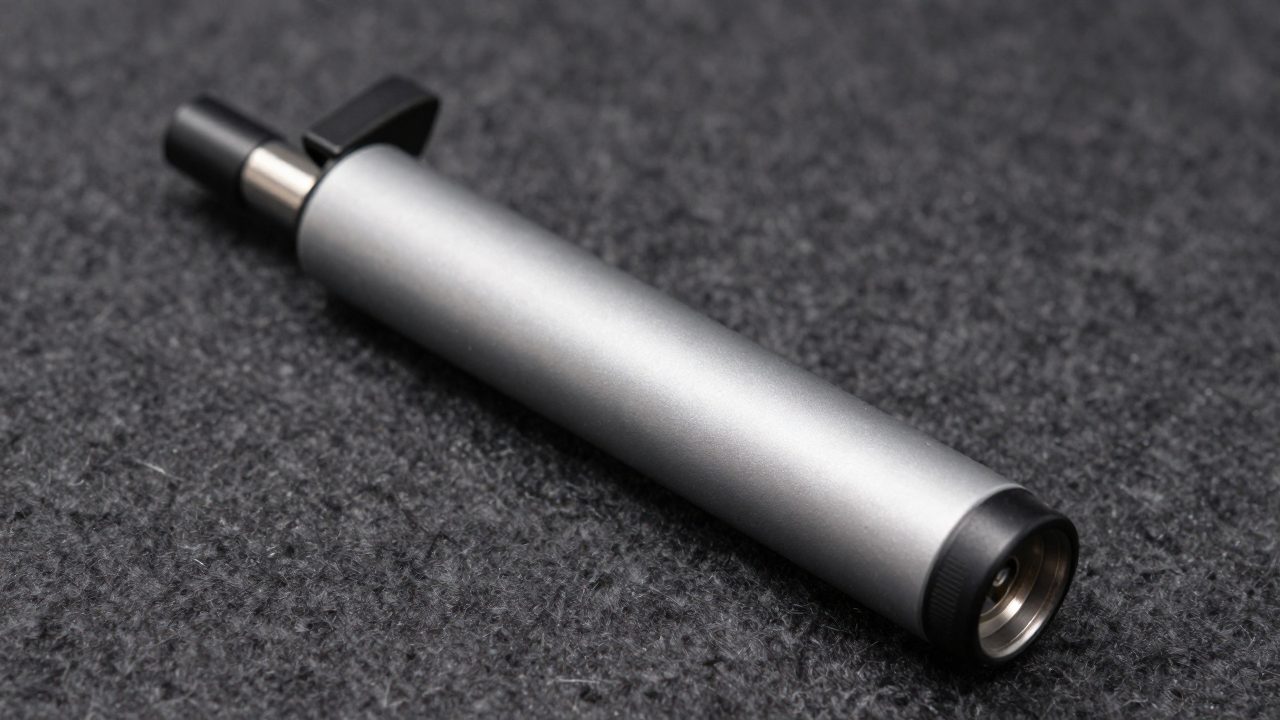
What a PCP hand pump does
A pre-charged pneumatic (PCP) airgun stores compressed air in a reservoir. A hand pump is a high-pressure charging device, not an ordinary bicycle pump: its hose, gauge, seals and fitting are designed for the pressure range specified by the airgun maker. That distinction matters. The pump manual and the airgun manual are the controlling documents; neither a forum recommendation nor a fitting that merely looks similar establishes compatibility.
Start by identifying the airgun’s stated fill pressure, maximum permitted pressure, fill connection and any manufacturer-specific charging procedure. Do not treat the number printed at the end of a gauge’s scale as a target. The safe stopping point is the lower of the pump’s permitted working pressure and the airgun manufacturer’s stated maximum. A gauge is an instrument to be read deliberately, not a reason to rush the process.
Compatibility comes before pumping
PCP systems use different fill probes, quick-disconnect fittings, thread standards and sealing arrangements. A connection must be positively matched to the airgun’s manual, clean, undamaged and fully seated before pressurizing. An adapter changes a mechanical interface; it does not establish that a pressure rating, seal material or hose assembly is suitable for the application. If the fitting arrangement is unclear, stop and consult the manufacturer or a qualified airgun service provider.
Inspect the hose, gauge face, bleed valve, fittings and pump base before each use. Cracked hose coverings, loose threaded parts, a damaged gauge, contamination around a fill port or a pump that does not operate smoothly are reasons not to proceed. High-pressure air stores substantial energy. Improvising a repair, substituting unknown parts or operating a damaged pump creates a risk that is out of proportion to the convenience of finishing a fill.
Prepare the work area
Use a level, dry, well-lit floor with room to stand squarely on the pump base. Keep children, pets and bystanders away. Wear eye protection and avoid loose clothing that can catch on the handle or hose. Keep the airgun pointed in a safe direction and follow its own loading, unloading and safety instructions before connecting any charging equipment. Charging is not a casual maintenance task; it deserves the same controlled environment as any other operation involving stored pressure.
Check that the reservoir is intended to be filled by the chosen method. Some systems have particular requirements for probe insertion, dust-cap removal, valve position or a specified sequence for connecting and bleeding. Follow that sequence exactly. A fill port should be clean before the connection is made. Dirt introduced through a coupling can damage seals and valves, and moisture management is especially important because compressed air can carry water into a reservoir.
Use a measured technique
Operate the handle with a steady, full stroke rather than short, hurried strokes. Keep your hands centered, your feet planted and your back in a neutral position. The purpose is control, not speed. Pause at intervals if the pump, hose or operator becomes excessively warm. Heat, fatigue and impatience make it easier to misread a gauge, lose balance or exceed a stated limit. Never brace the pump against unstable furniture or use an elevated surface to gain leverage.
Watch the gauge continuously as pressure rises. Stop at the airgun maker’s fill limit; do not attempt to compensate for later cooling by adding extra pressure. If the needle behaves erratically, a seal leaks, a connection moves, or resistance changes unexpectedly, stop immediately. Depressurize only by the procedure specified for that equipment. Do not loosen a pressurized fitting to release air. The correct bleed valve and sequence are part of the pump’s safety system.
After filling
Once the prescribed pressure is reached, use the documented bleed procedure to relieve pressure from the hose before disconnecting it. This protects the fitting and reduces the chance of a sudden release at the connector. Replace dust caps, keep the fill probe clean and store the pump so that its hose is not kinked, crushed or exposed to dirt and moisture. Record unusual gauge behavior, persistent leaks or a change in the effort required; those observations are useful when seeking qualified service.
Do not rely on visual similarity between gauges or fittings when replacing components. Pressure-rated parts must be specified for the intended system. Maintenance intervals, lubrication requirements and permitted service procedures vary by manufacturer. If an owner’s manual does not expressly authorize a repair, the prudent path is professional inspection. This is particularly important for seals, hoses, gauges and threaded pressure-bearing components.
Choosing a safe charging setup
A useful evaluation begins with the airgun manual, then compares only documented specifications: pressure rating, connector type, hose and gauge condition, availability of manufacturer support, and the user’s ability to operate the equipment without strain. A hand pump can demand significant repeated physical effort, especially as reservoir pressure rises. If that effort prevents stable posture or accurate gauge monitoring, another manufacturer-approved charging method may be more appropriate.
Do not make the decision from advertised pressure alone. A pump rated beyond the airgun’s maximum does not make overfilling acceptable, and a generic accessory listing does not confirm fitment. Seek advice from the airgun manufacturer or a qualified technician for ambiguous fitments, damaged equipment, unfamiliar adapters or recurring leaks. Local laws and range rules may also govern airguns and their handling; check the rules that apply where the equipment will be used.
Key takeaways
PCP hand-pump safety depends on matching the system, using intact pressure-rated equipment, following both manuals and stopping at the stated fill limit. Work on a stable surface, use eye protection, keep the muzzle in a safe direction and never defeat the bleed procedure. A clean, compatible connection and a calm, measured process matter more than filling quickly. When anything about the connection, pressure reading or equipment condition is uncertain, do not pressurize the system until a qualified source has resolved it.