

As an Amazon Associate and eBay Partner, toptenpick.com earns from qualifying purchases. Prices and availability are subject to change.
Most people think of clipper oil as maintenance — something you do at the end to make the machine last. That is true and it is the smaller half of the story.
A clipper cuts by shearing hair between two steel blades sliding across each other at high speed, under spring pressure, with metal touching metal the entire time. That friction produces heat, and a dry blade gets hot enough to burn skin within about a minute of running. Barbers know this because they have felt it; home users often do not, and the first sign is a client or a child flinching. Oil is what sits between those two surfaces and carries the heat away. It is a safety item that also happens to extend the life of the machine.
That explains the timing advice that otherwise sounds excessive. Oil during use — a few drops across the blade every ten or fifteen minutes of running — not just at the end of a cleaning session. A cut that takes half an hour should include two or three applications.
It also explains the substitution rule, which is stricter than people expect. Clipper oil is a light, highly refined mineral oil, and the common substitutes fail in specific ways. Penetrating sprays like WD-40 are solvents with very little lubricating film; they flush the blade, evaporate, and leave it drier than before. Household three-in-one oils are heavier and gum up between the teeth, collecting hair into a paste that holds the blades apart. Cooking oils oxidise into a varnish. Hair oils and baby oils contain additives and fragrance that do the same thing. The reason clipper oil is thin, clear and unscented is that every one of those properties is doing a job.
One genuinely useful exception: a proper blade wash — a solvent bath the running blade is dipped into — is a legitimate part of the routine. It cleans, and then you re-oil, because it has removed the oil along with the debris.
Ten picks below, and the last three are what actually keeps a blade cutting.
| # | Product | Price | Where to buy |
|---|---|---|---|
| 1 | Branded Clipper Blade Oil | $5-$15 | Amazon · eBay |
| 2 | Larger Bulk Bottle of Clipper Oil | $12-$30 | Amazon |
| 3 | Blade Wash / Blade Cleaning Solution | $10-$25 | Amazon |
| 4 | Clipper Spray Coolant and Disinfectant | $10-$20 | Amazon |
| 5 | Cleaning Brush Set | $5-$15 | Amazon · eBay |
| 6 | Small Screwdriver Set for Blade Removal | $8-$20 | Amazon · eBay |
| 7 | Replacement Clipper Blade Set | $15-$50 | Amazon |
| 8 | Ceramic Blade Upgrade | $25-$70 | Amazon · eBay |
| 9 | Blade Alignment Gauge or Guide | $8-$25 | Amazon |
| 10 | Storage Case or Blade Holder | $20-$50 | Amazon · eBay |
The picks, in detail

Branded Clipper Blade Oil
The obvious and correct answer. Every clipper manufacturer sells a small bottle of light mineral oil with a precision spout, and it costs very little — the bottle supplied with a new clipper typically lasts months of home use. There is no meaningful difference between brands, because they are all essentially the same refined mineral oil at a similar viscosity. Buy whichever is easiest to get, and buy two so one lives with the clipper and one is a spare.
- Light, highly refined mineral oil
- Precision spout for placing drops on the teeth
- Clear, odourless and non-staining
- Small bottles, typically 4 oz or less
- Correct viscosity for the job
- Precision spout puts oil where it is needed
- Very cheap and lasts a long time
- Small bottles run out and get forgotten
- No practical difference between brands despite the pricing
Larger Bulk Bottle of Clipper Oil
For anyone cutting hair regularly — a barber, a busy household, or someone grooming pets. A larger bottle costs far less per millilitre and removes the recurring annoyance of running out mid-cut. Decant into a small precision-spout bottle for actual use, since pouring from a large bottle onto a blade is messy and wasteful. Check that it is described as clipper or blade oil rather than general-purpose machine oil, which is heavier.
- 16 oz and larger bottles
- Same light mineral oil formulation
- Much lower cost per use
- Decant into a small spout bottle
- Far cheaper per use
- Never runs out at the wrong moment
- One bottle serves several clippers
- Needs decanting to apply properly
- Check it is blade oil, not general machine oil
Blade Wash / Blade Cleaning Solution
The legitimate companion to oil, and the one that actually restores a slow blade. The running blade is dipped a few millimetres into the solution, which flushes out the compacted mixture of hair, skin and old oil from between the teeth — the deposit that no amount of brushing reaches. Crucially, it strips the oil along with the debris, so you re-oil immediately afterwards. Never submerge the whole clipper; only the blade goes in, and only the tips.
- Solvent bath for running blades
- Dissolves compacted hair, skin and old oil
- Wide-mouth jars for dipping
- Some formulations include a light lubricant
- Reaches deposits brushing cannot
- Restores cutting speed on a sluggish blade
- Fast — a few seconds per blade
- Strips the oil, so you must re-oil straight after
- Only the blade tips go in, never the clipper body
Clipper Spray Coolant and Disinfectant
The multi-purpose aerosol found on every barber’s station, and worth understanding rather than treating as a replacement for oil. A typical formulation cools the blade, cleans lightly, disinfects and leaves a small amount of lubricant — convenient during a busy day, and the cooling is genuinely useful between clients. But the lubricating film it leaves is thin compared with a proper oil. Use it for quick service between cuts, and still oil properly.
- Cools, cleans, disinfects and lubricates
- Aerosol for fast application
- Antibacterial formulation on most
- Convenient between clients
- Fast cooling between cuts
- Disinfecting matters when cutting more than one person
- One can covers several jobs
- Lubricating film is thinner than proper oil
- Not a substitute for oiling

Cleaning Brush Set
The first step of every routine, and the one that decides whether the oil can do its job. Loose cut hair packed between the blade teeth holds the blades apart and mixes with oil into a paste; brushing it out before oiling means the oil reaches metal instead of sitting on top of felted hair. A stiff-bristled clipper brush plus a smaller detail brush handles it in under a minute. Brush with the blade removed or with the machine off, never while it is running.
- Stiff-bristle clipper brush
- Smaller detail brush for the housing
- Wooden or plastic handles
- Sold in multipacks
- Lets the oil reach metal instead of felted hair
- Takes under a minute
- Costs almost nothing
- Cannot reach compacted deposits — that needs blade wash
- Cheap brushes shed bristles
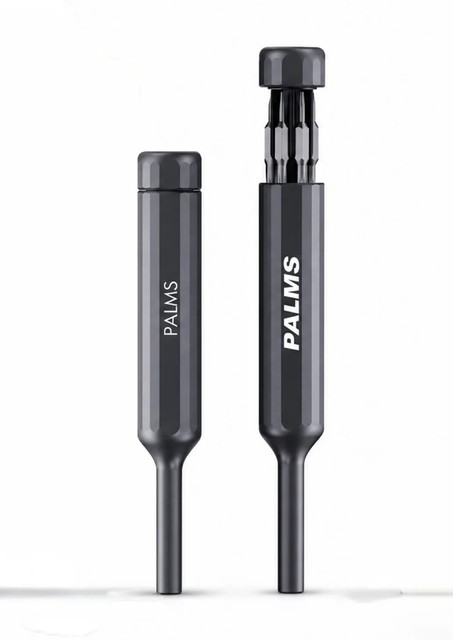
Small Screwdriver Set for Blade Removal
Proper cleaning means taking the blade off, and clipper blade screws are small and easily rounded by the wrong driver. A precision set with correctly fitting tips makes removal and refitting straightforward. Removing the blade lets you clear everything behind it, where hair accumulates out of sight and where a surprising amount of the friction actually comes from. Mark or photograph the blade alignment before you remove it — refitting it off-centre produces poor cutting and a nicking risk.
- Precision drivers in clipper blade sizes
- Magnetic tips to hold small screws
- Compact case
- Usually includes several head types
- Lets you clean behind the blade properly
- Correct fit avoids rounding small screws
- Useful across other small appliances
- Blade alignment must be restored carefully
- Easy to lose the tiny screws
Replacement Clipper Blade Set
The honest limit of what oil can do. Blades wear, and a worn blade pulls hair rather than cutting it — the sensation people describe as the clipper ‘catching’, which is often blamed on the motor. Oiling extends blade life significantly but does not extend it indefinitely. A replacement blade costs a fraction of a new clipper and restores the machine completely. Match the blade to your specific model; blade mounts are not standardised across manufacturers.
- Model-specific blade sets
- Carbon steel or ceramic options
- Supplied with mounting screws
- Some sold pre-aligned
- Restores a pulling clipper completely
- Far cheaper than a new machine
- Ceramic blades run cooler than steel
- Blade mounts vary by manufacturer and model
- Alignment must be set correctly after fitting
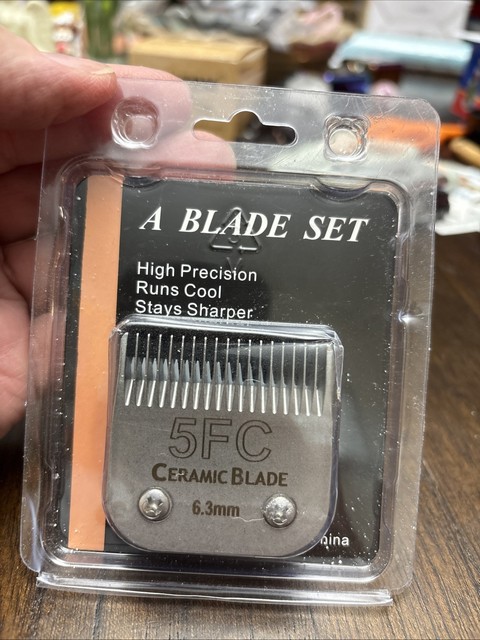
Ceramic Blade Upgrade
A genuine upgrade for one specific problem: heat. Ceramic conducts heat far less readily than steel, so a ceramic cutting blade runs noticeably cooler over a long session — which matters for anyone cutting several heads in a row, and for pet grooming where blades run continuously. They also hold an edge longer. The trade-offs are real: ceramic is brittle and will chip if dropped, and the blades cost more. Still oil them; cooler is not the same as cool.
- Ceramic cutting blade over a steel base
- Runs cooler than all-steel blades
- Longer edge retention
- Model-specific fitment
- Significantly cooler over long sessions
- Holds its edge longer than steel
- Directly addresses the burn risk
- Brittle — chips if dropped
- More expensive than steel replacements
Blade Alignment Gauge or Guide
Solves a problem people do not know they have. If the cutting blade sits too far forward relative to the stationary blade, the exposed teeth can nick skin; too far back and the clipper cuts poorly and pulls. Manufacturers specify a small setback, and getting it right by eye is difficult. An alignment guide or gauge makes it repeatable after every blade change. Worth having if you ever remove a blade, which you should be doing to clean properly.
- Gauge for setting blade offset
- Model-specific or universal designs
- Often included with replacement blades
- Simple to use once understood
- Removes the nicking risk from misalignment
- Makes blade changes repeatable
- Cheap
- Specifications vary between models
- Universal gauges are approximate

Storage Case or Blade Holder
Where the machine and blades live between uses, and it matters for two reasons. An oiled blade in a drawer picks up dust and grit, which is then dragged across the cutting edges next time — abrasive, and exactly what you were oiling to prevent. And a blade knocked against other tools chips. A case with moulded slots keeps blades separated and protected, and gives the guards, brushes and oil bottle somewhere to be so they are all present when you next need them.
- Moulded slots for clipper, blades and guards
- Hard shell or padded fabric
- Space for oil, brush and screwdriver
- Latching closure
- Keeps grit off oiled blades
- Prevents chipped edges from knocks
- Everything together when you need it
- Takes up shelf space
- Cheap cases have flimsy latches
Buying tips
- Oil during the cut, not just afterwards. A dry blade reaches skin-burning temperature within about a minute of running, and the friction is doing damage long before you notice heat. A few drops across the teeth every ten to fifteen minutes of running time is the routine — a half-hour cut should include two or three applications.
- Never substitute WD-40 or household oil. Penetrating sprays are solvents with almost no lubricating film; they flush the blade and evaporate, leaving it drier than before. Household three-in-one oils are too heavy and gum between the teeth. Cooking and hair oils oxidise into varnish. Clipper oil is thin, clear and unscented because every one of those properties is doing a job.
- Brush before you oil. Loose hair packed between the teeth holds the blades apart and turns oil into a paste. Oiling a dirty blade puts lubricant on top of felted hair rather than between the metal surfaces where it is needed. Thirty seconds with a stiff brush first is what makes the oil work at all.
- Three drops in the right places beat ten anywhere. One drop at each end of the teeth and one in the centre, with the clipper running briefly so it distributes, is the standard pattern. Flooding the blade just runs oil into the housing and onto the next person’s neck. Wipe off the excess with a cloth before you start cutting.
- Re-oil immediately after using blade wash. The wash dissolves the old oil along with the debris, which is exactly what makes it effective — and it leaves the blade completely dry. Dipping and then putting the clipper away is worse than not dipping at all. Dip, run briefly to sling off the excess, then oil.
- Only the blade tips go in the wash, never the machine. A few millimetres of the running blade in the solution is all that is wanted. Submerging the clipper head lets solvent into the housing where it strips the internal lubrication and can reach the motor. This is a common and expensive mistake.
- A clipper that pulls hair usually needs a blade, not more oil. Worn blades catch and tug rather than shearing cleanly, and no amount of lubrication restores a dull edge. If oiling and cleaning a blade does not restore the cut, replace it — a blade set costs a fraction of a new clipper and makes the machine feel new.
- Check the blade temperature against the back of your hand. Do this every few minutes during a long cut, before it touches anyone else. It takes a second and it is the only reliable way to catch a blade heating up, because the person being cut will feel it before you do — and by then it has already been too hot for a while.
As an Amazon Associate and eBay Partner, toptenpick.com earns from qualifying purchases. Prices and availability are subject to change.