

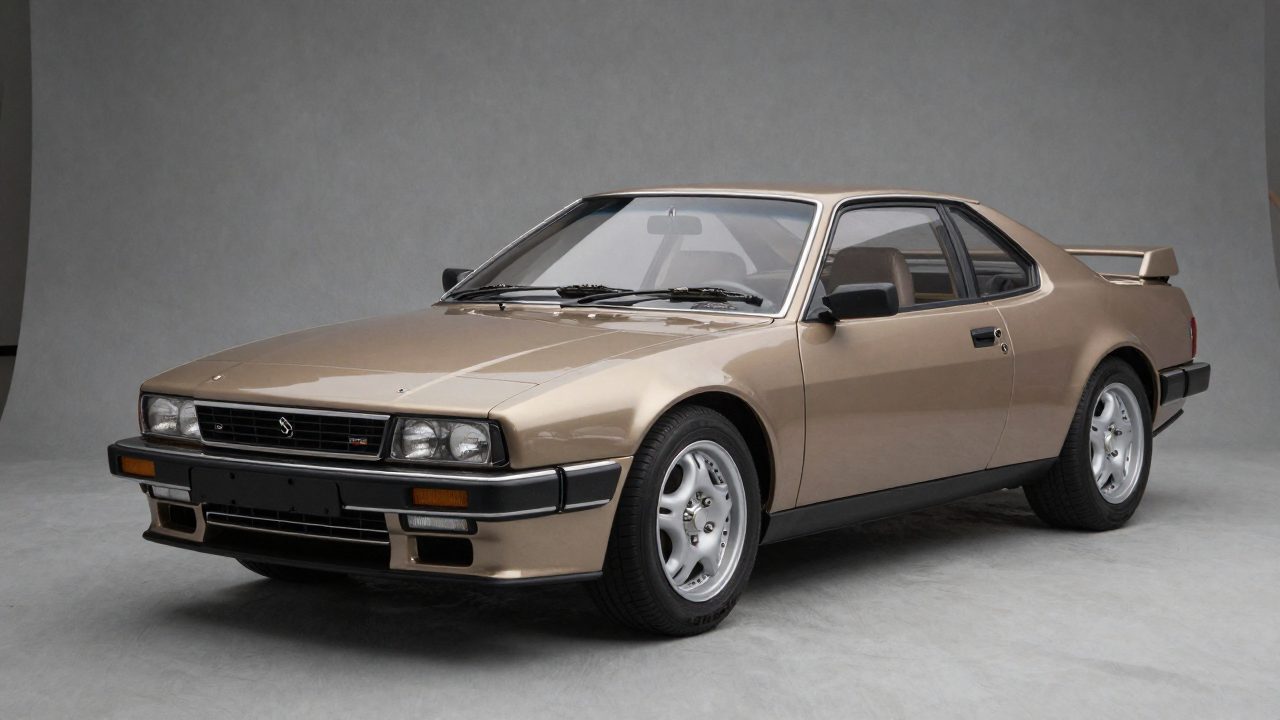
N600 is one of the standardized car classes in Gran Turismo Sport‘s Sport Mode and Arcade/Custom Race lineup, defined by a power ceiling rather than a specific list of cars. As with every N-class (N100 through N1000), any road car in the game can be entered into an N600 race as long as Balance of Performance (BoP) settings bring its output within the class’s power band – commonly cited around 551-650 PS after BoP is applied. That single design choice is what makes ‘best N600 car’ a genuinely different question from ‘fastest car in the game.’
How Balance of Performance changes the question
GT Sport’s BoP system adjusts power and weight so cars competing in the same class post similar lap times, regardless of their real-world specs. A road-legal supercar and a tuned-down sports car can both legally race in N600 once BoP trims the supercar’s power and/or weight down to the class ceiling. That means the ‘best’ car in N600 isn’t necessarily the one with the biggest headline horsepower number in stock form – it’s the one whose handling balance, weight distribution, and aerodynamics hold up best once BoP has leveled the power field.
What players and trackers actually look at
Community resources like the Gran Turismo Wiki’s N600 category page and third-party stat trackers maintain running lists of every car that currently qualifies for N600 under the game’s BoP rules, because that list shifts whenever Polyphony Digital issues a balance patch. On GT Sport’s own forums and community threads, cars frequently discussed as strong N600 picks include well-balanced sports cars like the Porsche 911 lineup, alongside detuned versions of cars that are dramatically more powerful in their stock, non-BoP form – a reminder that raw pedigree matters less here than how a chassis behaves once power is normalized.
How to actually pick your N600 car
Because BoP levels the power field, the practical differentiators in N600 come down to a handful of things you can control:
- Track type – a nimble, lighter chassis tends to gain more from BoP’s weight adjustments on tight, technical circuits, while a longer wheelbase and more aero-focused shape pays off on faster, flowing tracks.
- Tuning within the class – GT Sport’s tuning shop still lets you adjust suspension, gearing, and aero within BoP limits, so two players in ‘the same’ N600 car can post meaningfully different lap times based on setup alone.
- Tire wear and fuel consumption – in longer Sport Mode races, how a car treats its tires and fuel load under BoP-adjusted power matters as much as outright pace over a single hot lap.
- Familiarity – because the field is so tightly balanced, driver consistency and comfort with a specific chassis’s braking points and rotation tends to outweigh small theoretical performance gaps between cars in the same class.
Where to check the current field
Because Polyphony Digital periodically re-balances BoP across seasons and updates, any specific ‘best car’ claim ages quickly. Rather than treating a single named car as a permanent answer, check the Gran Turismo Wiki’s N600 category page or a current stat-tracking site for the live list of cars sitting in the class today, and cross-reference recent GT Sport community threads for which of those cars top drivers are actually racing with in the current BoP season.