

As an Amazon Associate and eBay Partner, toptenpick.com earns from qualifying purchases. Prices and availability are subject to change.
Before the list, the thing every experienced player in this genre will tell you and no product page ever does: the guitar is the least important part of the stoner rock sound.
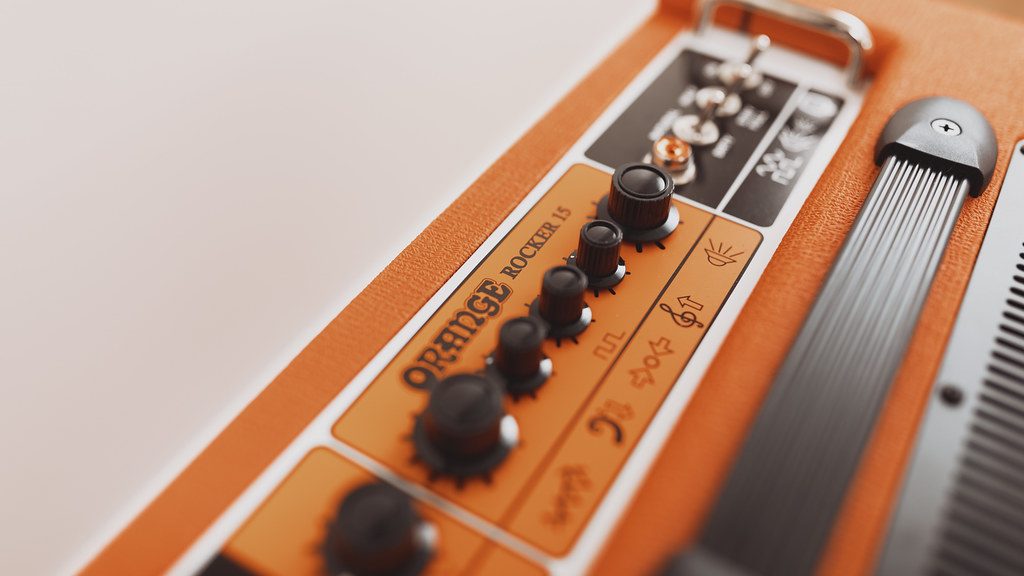
That tone is made by a fuzz pedal and a loud valve amp. A four-hundred-dollar Epiphone SG through a Big Muff into a cranked Orange sounds far more like the records than a three-thousand-dollar Gibson through a modelling amp at bedroom volume. If your budget is finite — and it is — the order that gets you closest is fuzz first, amp second, guitar third. That is not a reason to buy a bad guitar. It is a reason not to solve a pedal problem with an instrument.
What does genuinely matter about the guitar is scale length, because this music lives below standard tuning. Drop C, C standard, B standard — at those pitches a 24.75-inch scale with ordinary strings goes slack and the intonation wanders, which is the real reason a downtuned guitar sounds like mush rather than like weight. The fixes are heavier gauges, often nut and truss rod work to suit them, and sometimes a longer scale or a baritone. A properly set up cheap guitar in the right tuning beats an expensive one fighting its own string tension.
And one genuinely counterintuitive point about pickups. The instinct is to reach for the highest-output ceramic humbucker available. But fuzz circuits respond better to a cleaner, more dynamic signal — hit one with an enormously hot pickup and it compresses into a flat buzz rather than opening up. Moderate-output PAF-style humbuckers are what most of the records you are chasing actually used.
Ten options below, from budget workhorses to the two things that matter more than any of them.
| # | Product | Price | Where to buy |
|---|---|---|---|
| 1 | Epiphone SG Standard | $450–$650 | Amazon · eBay |
| 2 | Gibson SG Standard | $1,600–$2,300 | Amazon · eBay |
| 3 | Epiphone Les Paul Standard | $600–$800 | Amazon · eBay |
| 4 | Gibson Les Paul Standard ’50s | $2,500–$3,200 | Amazon · eBay |
| 5 | ESP LTD EC-1000 | $900–$1,300 | Amazon · eBay |
| 6 | Schecter Omen Extreme-6 | $450–$700 | Amazon · eBay |
| 7 | Danelectro ’56 Baritone | $600–$900 | Amazon · eBay |
| 8 | ESP LTD Viper-201B Baritone | $600–$900 | Amazon · eBay |
| 9 | Bare Knuckle Warpig Pickup Set | $300–$450 | Amazon · eBay |
| 10 | Electro-Harmonix Big Muff Pi | $80–$130 | Amazon · eBay |
The picks, in detail

Epiphone SG Standard
The default answer, and it has been for decades. Twin humbuckers, light weight, and the shape that Tony Iommi made the template for every heavy band that followed. At this price it is genuinely good, and it leaves enough of a budget for the fuzz and amp that actually make the sound. If you buy one guitar from this list, this is the sensible one.
- Mahogany body and neck, 24.75″ scale
- Two humbucking pickups
- Light — noticeably easier over a long set than a Les Paul
- Wide range of finishes
- The genre’s canonical shape at an accessible price
- Light enough to play standing for hours
- Leaves budget for the pedal and amp that matter more
- Neck-heavy — it will dive on a slippery strap
- 24.75″ scale needs heavier strings for low tunings
- Stock pickups are the first thing many owners change

Gibson SG Standard
The real thing, and the difference over the Epiphone is in the fretwork, the hardware and the resale value rather than in a fundamentally different sound. Worth it if you are gigging and want an instrument that will hold up and hold its price. Not worth it if the money would otherwise have bought your first proper amp.
- Mahogany body and neck, 24.75″ scale
- Gibson humbuckers
- Nitrocellulose finish
- Strong resale value
- Excellent fretwork and hardware
- Holds its value far better than any budget guitar
- Light and comfortable
- Several times the price of the Epiphone for a modest sound difference
- Still neck-heavy
- Nitro finishes mark easily

Epiphone Les Paul Standard
The other canonical shape, and the thicker, heavier-sounding of the two. A Les Paul’s mass and set neck give a denser low end than an SG, which suits the slower and more crushing end of this music. The trade is weight — these are heavy guitars and you will know about it two hours into a rehearsal.
- Mahogany body with maple cap, 24.75″ scale
- Two humbucking pickups
- Set neck construction
- Substantially heavier than an SG
- Thickest low end of the common shapes
- Excellent sustain
- Good value at this price
- Genuinely heavy on a strap
- Same short scale issue in low tunings
- Stock pickups are often hotter than fuzz likes

Gibson Les Paul Standard ’50s
The premium version, and specifically the ’50s specification is the one to want here — fatter neck, and Burstbucker-style pickups that are moderate output rather than hot. That moderate output is the point: it is what fuzz pedals were designed around, and it is why vintage-spec humbuckers so often beat modern high-output ones in this application.
- Mahogany body with maple cap, 24.75″ scale
- Moderate-output vintage-style humbuckers
- Chunky ’50s neck profile
- Nitrocellulose finish
- Pickup output is well matched to fuzz
- Superb build and resale value
- The fat neck suits heavy strings and low tunings
- Expensive
- Heavy
- The thick neck profile does not suit every hand
ESP LTD EC-1000
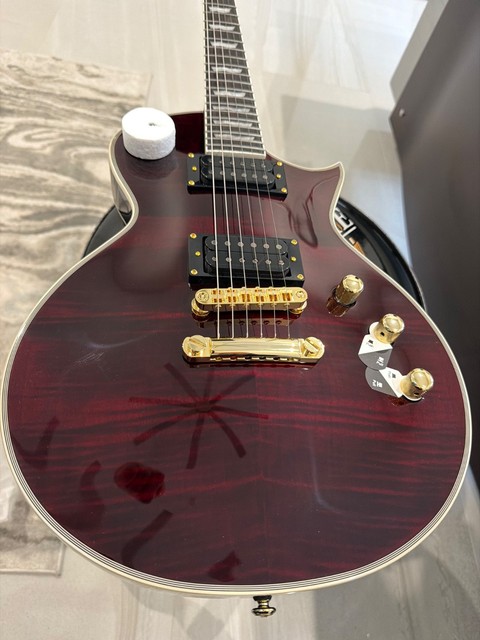
The modern-build alternative, with a thin neck, excellent fretwork and hardware that stays in tune under abuse. Aimed at metal rather than at 1970s revivalism, which shows in the higher-output pickups — worth trying against a lower-output set if you find the fuzz sounds flat. Superb value for the build quality.
- Mahogany body, set neck, 24.75″ scale
- High-output humbuckers depending on variant
- Locking tuners and quality bridge on most versions
- Thin, fast neck profile
- Build quality well above its price
- Stays in tune reliably
- Comfortable neck for fast playing
- High-output pickups can compress a fuzz into a flat buzz
- Modern aesthetic does not suit everyone
- Still a short scale for very low tunings

Schecter Omen Extreme-6
The budget workhorse with a modern build — humbuckers, a comfortable neck and hardware that handles heavy strings without complaint. A good choice if the vintage shapes do not appeal and you want something that arrives set up closer to playable than most guitars at this price do.
- Mahogany body with a quilted top
- Two humbuckers
- 25.5″ scale on most variants — better for low tunings than 24.75″
- Budget pricing
- Longer scale handles downtuning better than the Gibson-scale guitars
- Good value hardware
- Comfortable neck
- Stock pickups are hot — may not suit fuzz
- Finish quality is inconsistent at this price
- Modern looks in a genre with strong vintage aesthetics
Danelectro ’56 Baritone
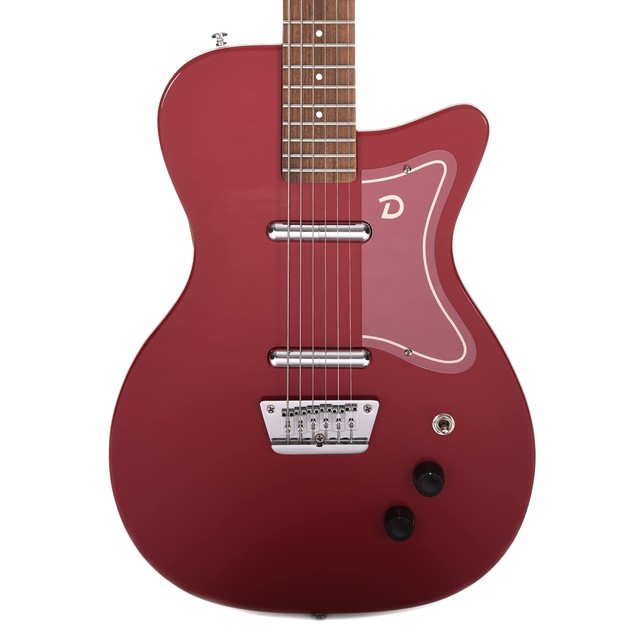
The genuine answer to the tuning problem, and a guitar with real history in this music. A baritone’s much longer scale keeps low tunings tight and articulate instead of slack, and the Danelectro’s lipstick pickups are low output — which, as above, is exactly what a fuzz wants. Light, cheap and completely distinctive.
- Baritone scale length — far longer than a standard guitar
- Lipstick-tube single coil pickups, low output
- Lightweight semi-hollow construction
- Ships in a baritone tuning
- Solves the low-tuning slackness properly, not with heavier strings
- Low-output pickups suit fuzz beautifully
- Very light and inexpensive
- Single coils hum, and this genre uses a lot of gain
- Baritone strings and setup are a specialist purchase
- Not a do-everything guitar

ESP LTD Viper-201B Baritone
The humbucker-equipped baritone, and the more conventional-sounding of the two here. A longer scale with humbuckers gives you the tight low end without the single-coil hum, which matters when you are running a fuzz and a cranked amp. The most practical instrument on this list for anyone who plays in B or C standard as a default.
- Baritone scale length
- Passive humbuckers
- SG-style body shape
- Set up for low tunings from the factory
- Tight, articulate low end where standard scales go slack
- Humbuckers — quiet under high gain
- Reasonably priced for a baritone
- Longer scale takes adjustment if you are used to 24.75″
- Baritone string sets are less widely stocked
- Not ideal if you also play in standard tuning

Bare Knuckle Warpig Pickup Set
The upgrade that changes an existing guitar more than a new guitar would. The Warpig has a long-standing reputation as the pickup for sludge, stoner and doom specifically, and fitting a set to a decent budget instrument is a far better use of a few hundred dollars than trading up a body. Do the pickups before you do the guitar.
- Hand-wound humbuckers made in the UK
- Voiced specifically for high-gain low-tuned playing
- Available in several output levels
- Direct replacement fit in most humbucker guitars
- Transforms a budget guitar for far less than upgrading it
- Strong reputation in exactly this genre
- Output options let you match the fuzz you already own
- Expensive for a pair of pickups
- Needs soldering or a tech’s time
- No resale value once installed

Electro-Harmonix Big Muff Pi
The most important item on this page, and it costs less than every guitar on it. The Big Muff is the sound — scooped mids, enormous sustain, and the fuzz that defines the genre from Sabbath’s descendants onward. If you own a passable guitar and a loud amp and you are still not getting the tone, this is what is missing, and it is about a hundred dollars.
- Classic four-transistor fuzz circuit
- Sustain, tone and volume controls
- Several variants including the Russian and Op-Amp versions
- Runs on 9V battery or adapter
- The single largest step toward this sound, at the lowest price
- Enormous sustain and the characteristic scooped voicing
- Cheap enough to own alongside a second fuzz
- Scooped mids can disappear in a band mix — many players add a boost
- Large enclosure on the standard version
- Variants sound meaningfully different; try before committing
Buying tips
- Buy the fuzz before the guitar. A Big Muff into a loud valve amp gets you closer to this sound than any instrument upgrade will.
- Scale length is the real constraint in low tunings. A 24.75″ guitar in B standard needs heavy strings and a proper setup, or a baritone.
- Moderate-output pickups beat very hot ones with fuzz. A hot ceramic humbucker compresses a fuzz circuit into a flat buzz.
- Budget for a setup with the string gauge you actually use. Nut slots, truss rod and intonation all need adjusting for heavy strings.
- Try the same guitar through a cranked amp before judging it. Everything in this genre sounds wrong at bedroom volume.
- SG for weight and comfort, Les Paul for low-end thickness. Both are canonical and the difference is real.
- Consider a pickup swap before a guitar swap. A few hundred dollars of pickups in a decent budget guitar beats trading up.
- Watch for neck dive on SG-shaped guitars. A wide suede strap costs very little and fixes it.
As an Amazon Associate and eBay Partner, toptenpick.com earns from qualifying purchases. Prices and availability are subject to change.