

About this guide
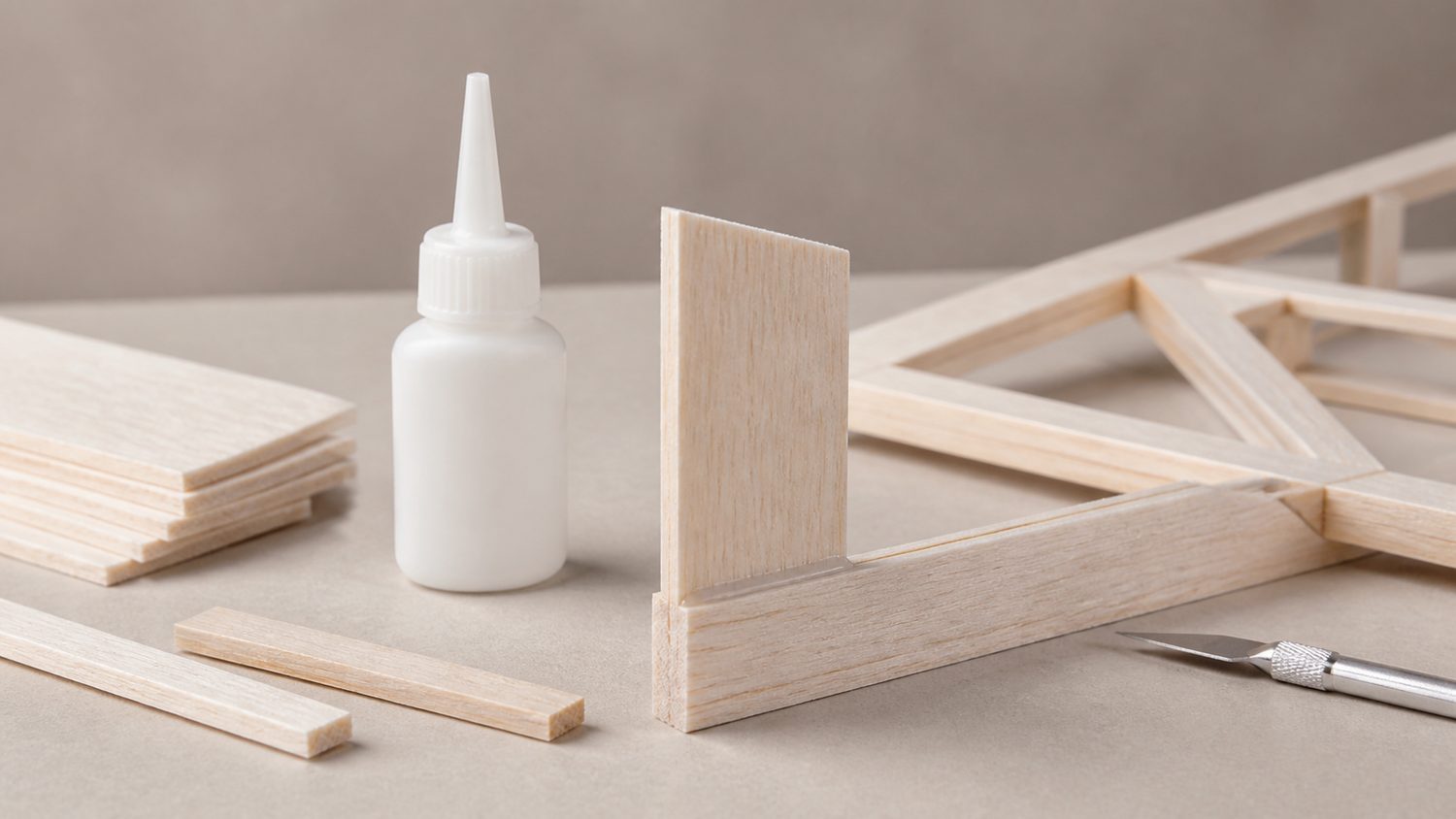
Balsa is soft, porous and easily dented, so glue choice depends on the joint. Aliphatic wood glue is forgiving and sands cleanly; thin cyanoacrylate wicks into close joints in seconds; foam-safe formulas matter where foam and balsa meet. These ten retail products cover routine construction, rapid model repairs and foam-compatible work.
As an Amazon Associate and eBay Partner, toptenpick.com earns from qualifying purchases. Prices and availability are subject to change.
The picks, in detail
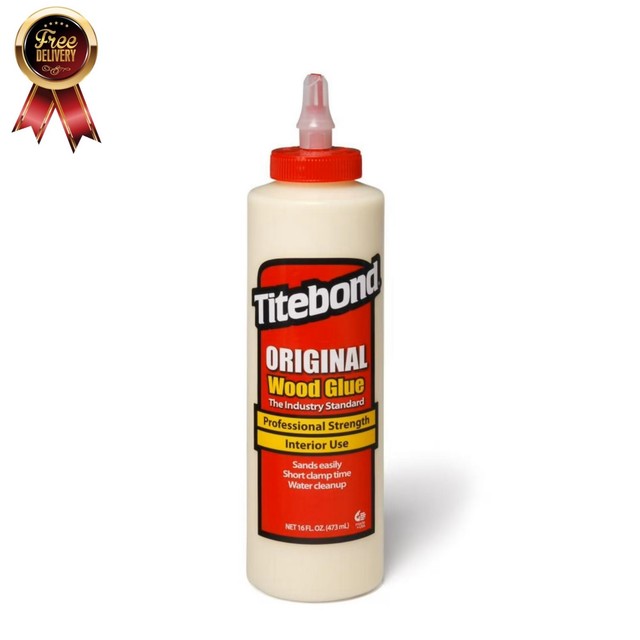
Titebond Original Wood Glue
A fast-setting aliphatic wood glue for balsa-to-balsa joints that need sanding after cure.
- Strong initial tack
- Water cleanup
- Easy to sand
- Low-cost everyday adhesive
- Requires clamping or holding
- Interior-use formula
Titebond II Premium Wood Glue
A water-resistant PVA wood glue for balsa assemblies that may see occasional moisture.
- Cross-linking PVA
- Water-resistant bond
- Sands well
- Readily available
- Slower than CA
- Not for foam
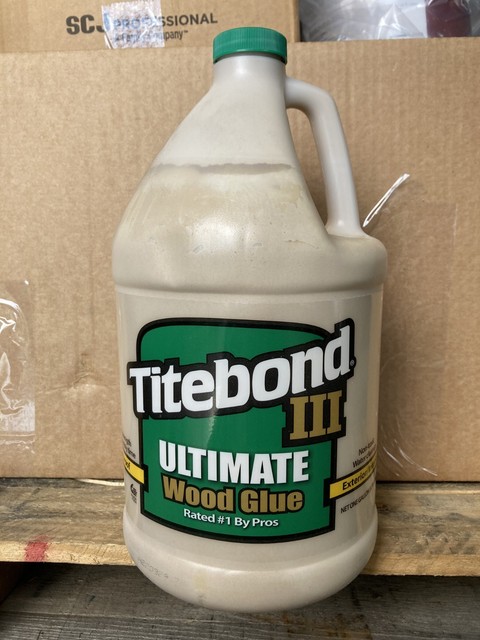
Titebond III Ultimate Wood Glue
A waterproof wood glue for balsa parts where longer open time and moisture resistance are useful.
- Waterproof classification
- Extended assembly time
- Useful for outdoor projects
- Strong wood bond
- More expensive than Original
- Requires clamping

Bob Smith Industries Insta-Cure Super Thin BSI103
Water-thin CA that wicks into tight balsa joints by capillary action for rapid assembly.
- Thin cyanoacrylate
- 2 oz bottle
- Excellent balsa penetration
- Cures in seconds
- Fumes can irritate
- Poor choice for gaps
Bob Smith Industries Insta-Cure+ Gap Filling BSI108
A thicker CA for balsa joints with a small gap where thin glue would run straight through.
- Gap-filling viscosity
- 2 oz bottle
- More control than thin CA
- Fast repair adhesive
- Does not wick as deeply
- Can add weight
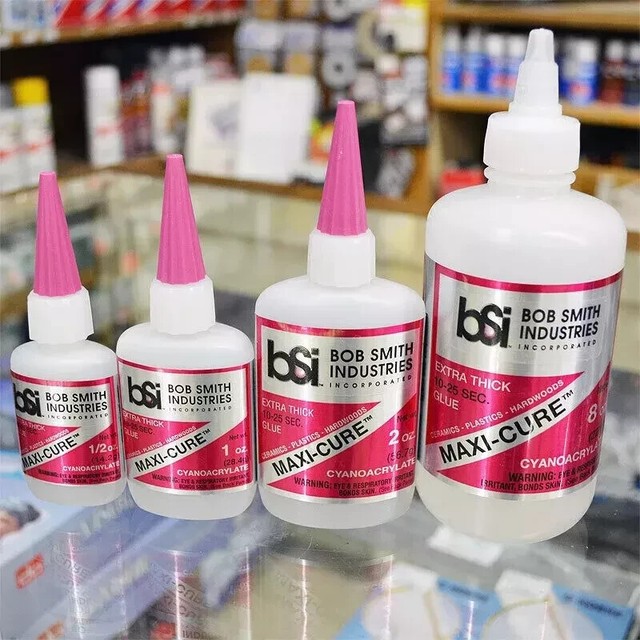
Bob Smith Industries Maxi-Cure Extra Thick BSI111
An extra-thick CA for small voids and joints that need adhesive to stay put on the surface.
- Extra-thick viscosity
- Precision bottle
- Useful on imperfect joints
- Less runny
- Slower than thin CA
- Can leave a hard bead

Pacer ZAP CA Thin PT-08
A thin cyanoacrylate model adhesive that penetrates balsa and softwood for close-fitting seams.
- Thin CA viscosity
- Fine nozzle
- Fast model-building workflow
- Widely stocked by hobby sellers
- Not gap filling
- CA vapors need ventilation

Pacer ZAP-A-GAP CA+ Medium
A medium-viscosity CA for balsa repairs where a little gap filling is needed without moving to epoxy.
- Medium CA
- Model-repair formula
- Balances flow and control
- Fast cure
- Not foam safe
- Limited working time
ZAP-O Foam Safe CA+
An odorless foam-safe CA that bonds balsa, plywood and foam-compatible model materials.
- Foam-safe formula
- Medium gap-filling viscosity
- Safe beside foam parts
- Works on balsa
- Higher cost than standard CA
- May need its matching kicker for fastest cure

Deluxe Materials Roket Card Glue AD57
A water-cleanup glue that bonds balsa, card and many plastics for lightweight craft and architectural models.
- 50 ml bottle
- Wicking application
- Clear-drying craft option
- Good for card-and-balsa work
- Not a structural CA replacement
- Less common in US shops
What each one costs
Typical price, cheapest first. Tap a name to jump to that pick and its buy link.
Compare any three
| Titebond Original Wood Glue | Titebond II Premium Wood Glue | Titebond III Ultimate Wood Glue | |
|---|---|---|---|
| Price | $5–$16 | $5–$15 | $7–$22 |
| Key features |
|
|
|
| Pros |
|
|
|
| Cons |
|
|
|
Buying tips
- Dry-fit balsa first: thin CA is for close joints, while PVA or gap-filling CA is more forgiving of small gaps.
- Use a small amount of glue. Excess adhesive adds weight and can make a delicate model harder to sand.
- Work with ventilation when using CA and keep accelerators away from foam unless the manufacturer says they are compatible.
As an Amazon Associate and eBay Partner, toptenpick.com earns from qualifying purchases. Prices and availability are subject to change.