

As an Amazon Associate and eBay Partner, toptenpick.com earns from qualifying purchases. Prices and availability are subject to change.
The property that actually decides whether foam works in a Kydex press is closed-cell density and heat tolerance, not thickness and not price per square foot — and that is the opposite of how most buyers shop for it. Foam that is too soft bottoms out under press pressure before it finishes transferring the shape of the knife, tool, or form, so the result comes out shallow and mushy instead of crisp. Foam that is too firm barely compresses at all and will not conform to any real detail. And open-cell foam — the packing foam and cheap cushion filling that looks identical to the good stuff at a glance — takes what is called a compression set: it crushes down under load and never fully springs back, so it is visibly worse by the tenth press and effectively dead within a few dozen.
Heat is the second thing almost nobody checks before buying. Kydex comes out of the oven somewhere in the 300–400°F range, and most everyday foams — camping-pad polyethylene, upholstery foam, generic packing foam — start to scorch, glaze, or melt right around there. It rarely fails on the very first press; it fails a few presses in, once the surface has glazed and started sticking to the hot plastic. A thin barrier — a sheet of plain paper or a lint-free cloth between the foam and the Kydex — is cheap insurance worth using even with foam that is rated for the job.
There are three real tiers to choose from. Purpose-made pressing foam, sold by knife- and leathercraft suppliers specifically for thermoforming Kydex, Boltaron, and similar sheet plastics, is built to survive both the heat and the repeated compression, and it earns its price if this is a regular hobby. General craft-grade high-density EVA foam — the same material used for heat-shaped cosplay armor — is the honest middle ground: genuinely closed-cell, dense enough to hold real detail, and much cheaper per square foot, even though it was never engineered specifically for plastic-forming heat cycles. And then there is the improvised route hobbyist forums keep recommending: a dense closed-cell foam pad meant for something else entirely — camping, gardening, yoga — pressed into service because the density happens to be close enough. It genuinely works and it is genuinely cheap, but expect faster wear, and never assume it can take the heat without a barrier layer.
This list covers Kydex work outside of any firearms context — knife sheaths, tool and instrument cases, cosplay and prop armor, and general hobby thermoforming — with the ten options below spanning purpose-sold pressing foam, general craft EVA, and the improvised picks the forums swear by, real trade-offs included rather than glossed over.
| # | Product | Price | Where to buy |
|---|---|---|---|
| 1 | Maxx Form Thermoform Molding Foam | $10–$21 | Amazon · eBay |
| 2 | Mega Form Thermoform Molding Foam | $15–$28 | Amazon · eBay |
| 3 | Xtreme Form Thermoform Molding Foam | $14–$30 | Amazon · eBay |
| 4 | MEARCOOH High-Density EVA Foam Roll | $15–$26 | Amazon · eBay |
| 5 | Biguphate Ultra High-Density EVA Foam Roll | $13–$24 | Amazon · eBay |
| 6 | The Foamory High-Density EVA Foam Sheet | $13–$25 | Amazon · eBay |
| 7 | Bright Creations High-Density EVA Foam Roll | $12–$20 | Amazon · eBay |
| 8 | Wenzel Closed Cell Camp Pad | $8–$13 | Amazon |
| 9 | High-Density Foam Gardening Kneeling Pad | $9–$16 | Amazon · eBay |
| 10 | ProsourceFit Extra Thick Yoga Knee Pad | $12–$20 | Amazon · eBay |
The picks, in detail

Maxx Form Thermoform Molding Foam
The standard entry point in the purpose-made pressing-foam line sold by knife and leathercraft suppliers for thermoforming Kydex, Boltaron, and similar sheet plastics. It is closed-cell, built to tolerate the heat coming out of the oven, and usable on both faces, which stretches its working life well past any repurposed craft or camping foam.
- Closed-cell, heat-tolerant foam engineered for sheet-plastic pressing
- Usable on both sides
- Sold in multiple sizes and thicknesses (roughly 0.5″ to 1″)
- Medium-to-high detail transfer
- Purpose-built for this exact job
- Closed-cell and heat-tolerant
- Two usable faces extend its life
- Costs more per square foot than general craft foam
- Only sold through specialty suppliers, not big-box stores
- Still wears down with heavy repeated use
Mega Form Thermoform Molding Foam
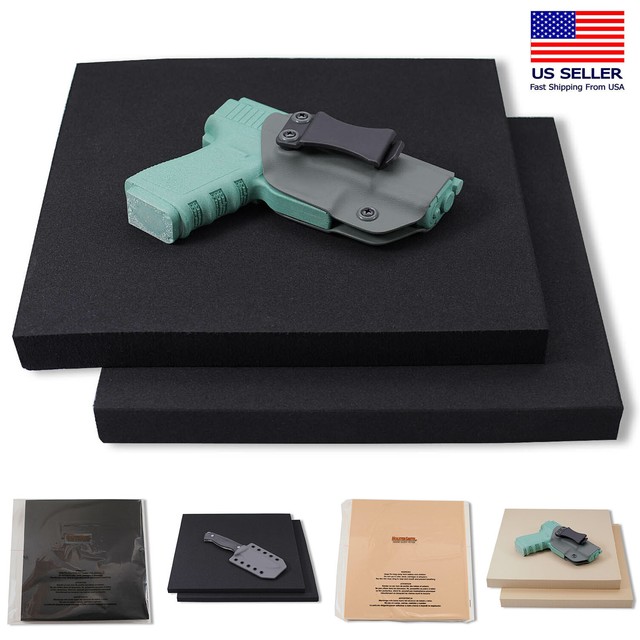
A step up from Maxx Form in the same purpose-made line, engineered for finer detail transfer on more complex shapes. Same closed-cell, heat-tolerant construction and usable on both sides, so it fits regular use rather than an occasional project.
- Closed-cell foam with improved detail transfer over Maxx Form
- Usable on both sides
- Sold in sizes up to 12″x24″
- Built for repeated thermoforming cycles
- Finer detail than the entry-tier foam
- Same heat/durability advantages as purpose-made foam
- Long working life from both usable faces
- Priced above Maxx Form for a detail gain that matters most on intricate shapes
- Unnecessary for simple flat sheath or case shapes
- Limited to a couple of specialty retailers
Xtreme Form Thermoform Molding Foam
The top tier of the purpose-made pressing-foam line, sold as the finest-detail option for press-forming Kydex and Boltaron. Available in several thicknesses up to about 1.5″, closed-cell and built for the heat, making it the pick for crafters who press often and want the sharpest possible detail line.
- Highest detail-transfer tier of the three-tier line
- Closed-cell, heat-tolerant construction
- Available up to roughly 1.5″ thick
- Usable on both sides
- Sharpest detail transfer of the purpose-made options
- Longest working life under repeated pressing
- Closed-cell and built specifically for this heat range
- The most expensive of the three tiers
- Overkill for basic, low-detail flat shapes
- Thicker sheets cost noticeably more per piece
MEARCOOH High-Density EVA Foam Roll
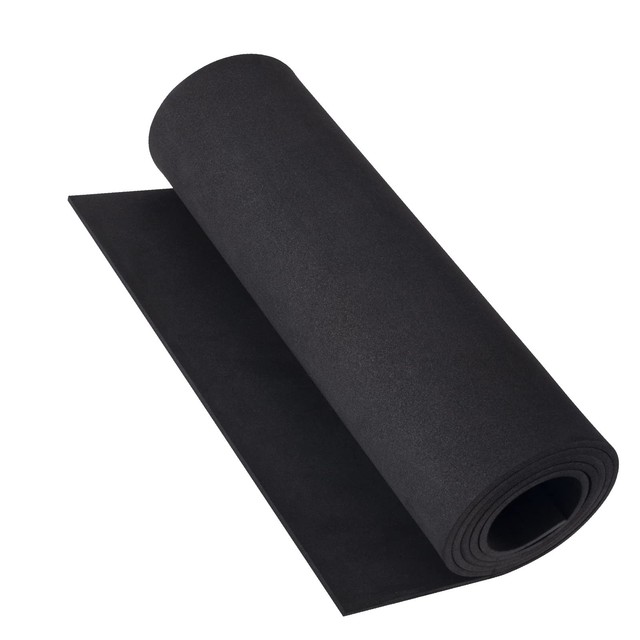
A genuinely closed-cell, high-density (86 kg/m³) EVA craft foam sold in large sheets, popular with cosplay armorers who heat-shape it directly. It is not sold for Kydex specifically, but the density and closed-cell structure line up with what a press needs, at a fraction of the cost of purpose-made foam.
- 86 kg/m³ closed-cell EVA foam
- Large sheet sizes (up to 35.5″x59″)
- Available in thicknesses from about 1mm to 10mm
- Smooth surface on both sides
- Genuinely closed-cell and high-density
- Much cheaper per square foot than purpose-made foam
- Large sheets cover a full press bed with little waste
- Not engineered for repeated hot-plastic pressing, so it wears faster than purpose foam
- Thin sheets require gluing multiple layers to reach usable thickness
- No claims made about press-specific durability

Biguphate Ultra High-Density EVA Foam Roll
Another high-density (86 kg/m³) closed-cell EVA craft foam roll, sold in a smaller 15″x39″ sheet size that suits a smaller home-built press without leftover waste. Same basic material logic as the other craft-grade picks here: real closed-cell density at craft-store pricing.
- 86 kg/m³ closed-cell EVA foam
- 15″x39″ sheet size
- Thicknesses from about 2mm to 10mm
- Pliable enough to cut and layer easily
- High-density closed-cell spec confirmed by the maker
- Smaller sheet size fits smaller presses without waste
- Available in several thicknesses
- Not marketed or tested for plastic-forming heat
- Needs to be layered and glued to reach real press thickness
- Smaller sheet than some competitors for the same price tier

The Foamory High-Density EVA Foam Sheet
A high-density (85 kg/m³) EVA foam explicitly marketed for heat-shaping, which at least means the material is known to tolerate direct heat exposure from a heat gun in normal use — a reasonable sign for press use as well, even though it isn’t sold for Kydex specifically.
- 85 kg/m³ closed-cell EVA foam
- Marketed for heat-shaping and sanding
- Available in 14″x39″ and 35″x59″ sheet sizes
- Thicknesses from about 1mm to 10mm
- Known to tolerate heat exposure from normal heat-shaping use
- Closed-cell and high-density
- Available in a large sheet size for bigger press beds
- Thin single sheets mean stacking several layers for real press thickness
- Priced per sheet, so building up thickness adds cost quickly
- Still not a product sold or warrantied for plastic-forming presses
Bright Creations High-Density EVA Foam Roll
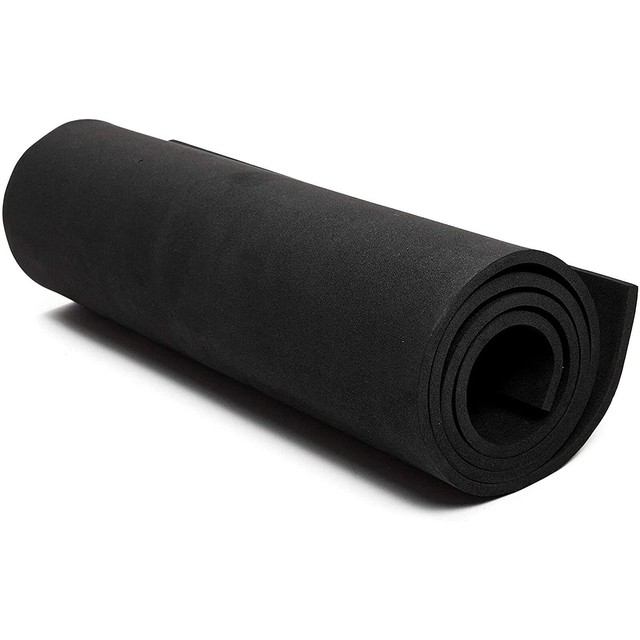
A denser EVA craft foam roll (rated around 100 kg/m³ by the maker) than most competing craft foams, sold in a 14″x39″ sheet. The extra density trades a little give for more shape retention, which can suit crafters pressing simple, low-relief shapes like flat sheath backs.
- Roughly 100 kg/m³ closed-cell EVA foam
- 14″x39″ sheet size
- Available in 5mm and 6mm thicknesses
- Marketed for shape retention under repeated use
- Denser than most competing craft-grade EVA foams
- Closed-cell construction
- Good shape retention per the maker’s own claims
- Extra firmness can trade away some fine-detail conforming versus mid-density foam
- Only sold in thin sheets, so layering is required for full press thickness
- Not tested against plastic-forming heat specifically
Wenzel Closed Cell Camp Pad
The budget option Kydex and knife-making forums keep coming back to: an inexpensive closed-cell camping sleeping pad, cut down to press size. It genuinely works as a first press pad and costs almost nothing, but it was never designed for repeated 300°F-plus exposure, so treat the heat tolerance as unproven rather than assumed.
- Closed-cell polyethylene foam
- Roughly 3/8″–1/2″ thick as sold
- Compact rolled packaging
- Low cost per usable area
- Very inexpensive
- Easy to find at outdoor and general retailers
- Long track record of hobbyist use as a starter press pad
- Not rated for thermoforming heat, so it needs a paper or cloth barrier every press
- Takes a compression set faster than purpose-made or craft EVA foam
- Thin as sold, so doubling layers is usually needed
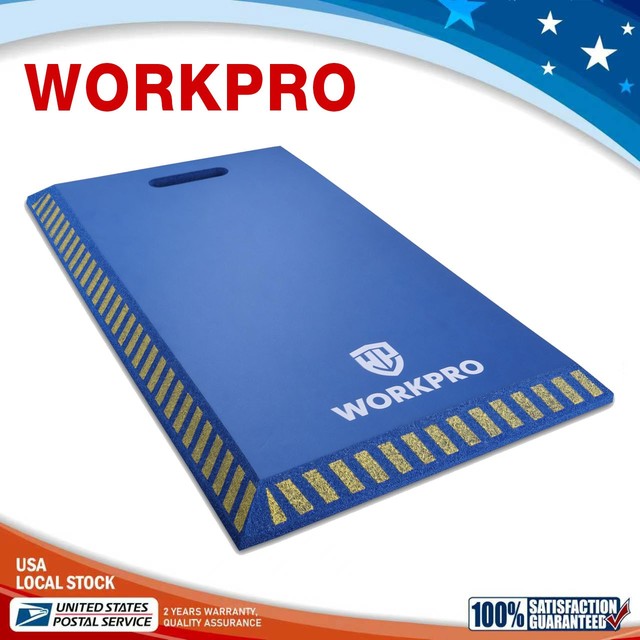
High-Density Foam Gardening Kneeling Pad
A denser alternative to a basic sleeping pad that some hobbyists have pressed into service for the same reason: it happens to be firmer, closed-cell foam at a low price, sold at any hardware or garden store. It is not made or tested for plastic-forming heat, so it is a scrap-test-first option rather than a default pick.
- High-density closed-cell foam construction
- Roughly 1″–1.5″ thick
- Water-resistant surface
- Widely available locally
- Denser than a basic sleeping pad
- Very cheap and easy to source same-day
- Thick enough to use without doubling layers
- Not designed, marketed, or tested for thermoforming heat
- Density and quality vary by listing since it isn’t a craft product
- Only anecdotal community use to go on, not a manufacturer claim
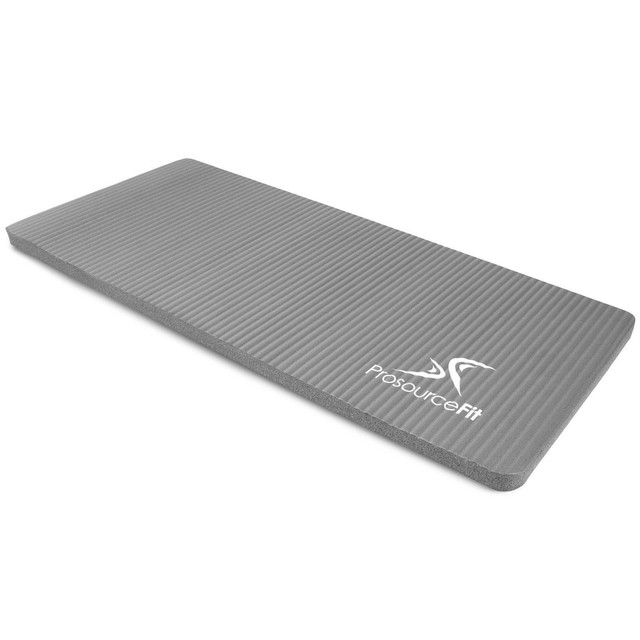
ProsourceFit Extra Thick Yoga Knee Pad
A dense, closed-cell NBR foam pad sold for yoga and floor-work joint cushioning, occasionally repurposed by crafters for its firmness in a compact size. It is a different foam chemistry from the EVA and polyethylene picks above, so treat its heat behavior as unknown and test on scrap before trusting it with a finished piece.
- High-density closed-cell NBR foam
- About 15mm (5/8″) thick
- Compact pad size
- Built for repeated compression under body weight
- Dense, closed-cell foam by design
- Compact size fits smaller knife-scale presses
- Well-made for its actual intended purpose
- NBR foam’s heat tolerance for plastic-forming isn’t documented anywhere
- Small pad size limits it to smaller projects
- Priced for the fitness market, so cost per square inch runs high
Buying tips
- Confirm the foam is described as closed-cell before buying — open-cell “sponge” padding takes a compression set and goes flat within a few dozen presses.
- Use a barrier layer, like plain paper or a lint-free cloth, between the hot Kydex and the foam on every press, even with purpose-made foam, to stop scorching and sticking.
- Buy foam at least as thick as the deepest contour being pressed — foam that is too thin bottoms out before it finishes conforming to detail.
- When stacking thin craft-foam sheets to build up press thickness, glue the layers together rather than leaving them loose, so they cannot shift and blur the detail.
- Retire a piece of foam once it stays visibly dented after a press has cooled — that is the compression set setting in, and detail quality only gets worse from there.
- Cut foam slightly larger than the press platen, not smaller, so the plastic at the edges stays supported instead of squeezing past bare metal.
- Save the highest-detail purpose-made foam for fine work like edges and small hardware, and use cheaper general craft-grade EVA for flat or simple shapes.
- Keep a separate piece of foam for heavy or thick projects if possible — foam that has already taken hard compression will not transfer fine detail as well on the next job, even before it looks worn.
As an Amazon Associate and eBay Partner, toptenpick.com earns from qualifying purchases. Prices and availability are subject to change.