

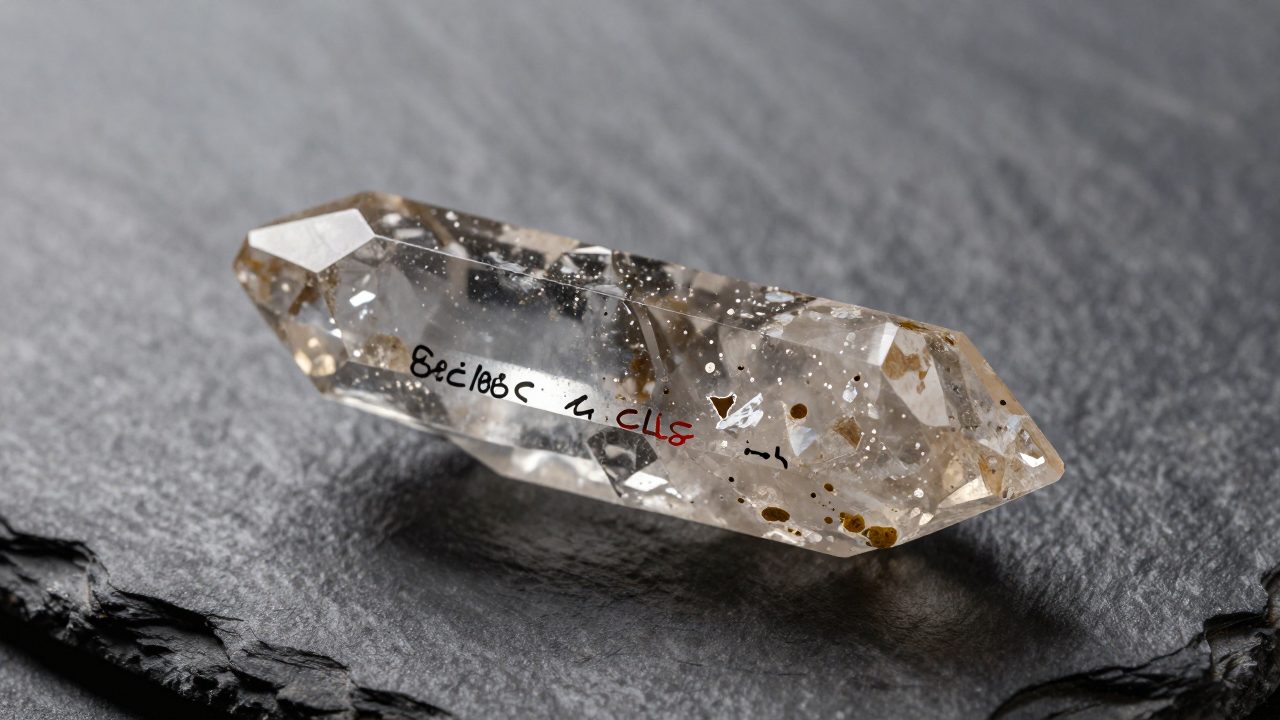
Crystals cannot treat breast cancer
Claims that a crystal can heal breast cancer are not supported by accepted medical evidence. A mineral, carved stone, or piece of jewelry cannot diagnose, treat, shrink, or prevent cancer. It is reasonable to value an object for its color, geology, cultural history, or the private meaning it carries, but those values must stay separate from medical care. Anyone facing a symptom, a new breast change, a diagnosis, or a treatment decision deserves prompt guidance from a licensed clinician and an evidence-based care team.
Keep meaning and medicine separate
Many people use a small object as a reminder to pause, speak with family, write down questions, or mark a difficult day. That personal ritual can coexist with medical treatment when it does not replace appointments, screening, prescribed medicines, surgery, radiation, chemotherapy, or follow-up. Avoid sellers who say a crystal removes tumors, changes test results, works in place of treatment, or is effective because it has a special frequency. Those statements are marketing claims, not a reliable basis for care.
What to do with a concerning change
A lump, skin change, nipple discharge, persistent pain, or other new breast symptom needs clinical assessment. The right next step depends on a person’s history and symptoms, so an online product guide cannot determine urgency. Contact a clinician, breast clinic, or local health service. If treatment is already underway, ask the oncology team about supplements, topical products, and practices being considered; this helps prevent an untested choice from interfering with care or delaying a needed visit.
Buying a mineral as an object, not a remedy
When the goal is collecting or gifting, evaluate the stone like any decorative material. Ask what mineral it is, whether the color is natural or dyed, whether fractures were filled, and whether it has been coated. Request clear photographs in neutral light and a stated size and weight. “Healing crystal” is a retail label, not a scientific grade. A seller should be able to describe the material without promising a medical effect. For expensive pieces, a written receipt and an independent mineral identification are more useful than dramatic claims.
Safety and communication
Do not place rough stones on irritated skin, surgical sites, ports, or radiation-treated areas. Avoid ingesting crystal powders, elixirs, or water that has touched an unknown mineral: some minerals contain metals or other compounds that are not safe to consume. If a loved one gives a crystal, a considerate response is to frame it as support or remembrance rather than treatment. That language respects the gesture while protecting the person who needs care from pressure, false hope, or blame.
A practical standard for health information
Trust health guidance that identifies its evidence, explains benefits and harms, and encourages appropriate professional care. Be cautious of testimonials presented as proof, claims that conventional treatment is a cover-up, countdown offers aimed at frightened buyers, and advice to stop prescribed treatment. Cancer care can be emotionally and financially exhausting; clear information and a supportive care network are more valuable than certainty offered by a product claim. If cost, transport, fear, or access makes care difficult, tell the clinic team—many services can help with navigation and support.
Questions to take to a care team
It can help to write down questions before an appointment: what does this finding mean, which tests are recommended, what is the goal of each treatment, and who should be called about a new symptom? Bring a trusted person if possible and ask for instructions in writing. A crystal or another personal object may be comforting in a waiting room, but it should never be used to measure progress or judge whether professional care is needed. Test results and clinical assessment, rather than a product story, guide treatment decisions.
Spotting misleading health marketing
Be especially careful when a seller pairs a frightening diagnosis with promises of a simple private cure. Red flags include claims that a product works for every cancer, that it cures disease without side effects, that doctors are hiding a solution, or that a purchase must be made immediately. Personal testimonials can describe a real experience without proving that the object caused an outcome. Reliable health sources explain uncertainty and do not ask a customer to choose between hope and medical treatment.
Support that does not make claims
Practical support can be valuable during diagnosis and treatment: help with transport, meals, childcare, note-taking, or simply a conversation. Support groups and patient navigators can also help people prepare for appointments and find local services. When giving a gift, choose language that is honest and kind: this is a token of care, not a cure. That distinction lets a person accept comfort without being exposed to an unsupported promise about cancer.