

As an Amazon Associate and eBay Partner, toptenpick.com earns from qualifying purchases. Prices and availability are subject to change.
Diluting Arctic Fox is a chemistry decision, not a volume one, and the wrong conditioner does not just weaken the colour — it stops it depositing at all. Arctic Fox’s own support pages say it plainly: conditioners containing oils or silicones can prevent the pigment sticking to the hair, which shows up as a patchy, blotchy result rather than an evenly paler one. That is the single fact that decides this purchase. Semi-permanent direct dye works by sitting on and lightly penetrating the hair shaft — there is no developer opening the cuticle — so anything that coats the hair first is a barrier between the dye and where it needs to be.
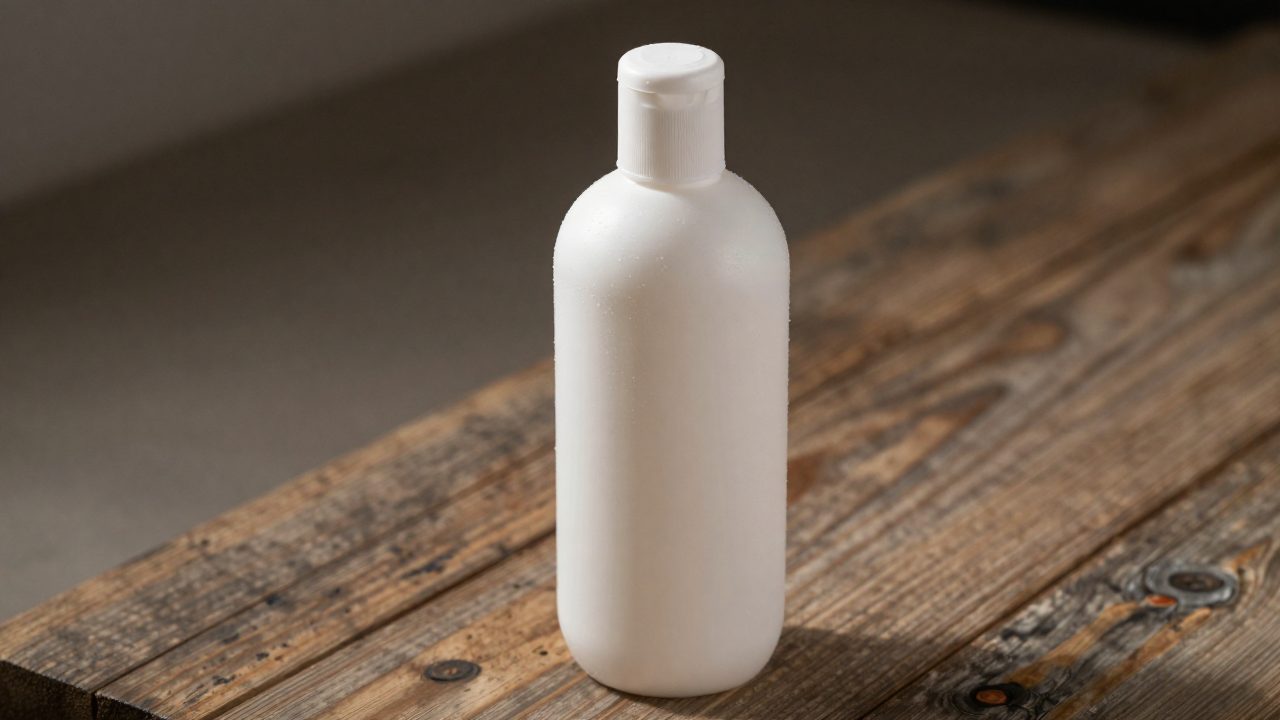
So the specification is narrow: white, cheap, and as close to nothing as possible. White, because a cream-coloured or tinted conditioner shifts the result — you are mixing paint, and the base colour counts. Cheap, because the expensive ones are expensive precisely for the oils, butters and silicones you are trying to avoid. And simple, because the fewer conditioning agents in it, the less there is to get between pigment and hair. A basic white conditioner from a supermarket own-brand is frequently a better diluter than a salon product at six times the price.
Read the ingredients for two things. Anything ending in -cone, -conol, -siloxane or -silane is a silicone. And heavy oils and butters near the top of the list — coconut, argan, shea — are the other half of the problem. A conditioner is not disqualified by having a silicone somewhere in the last three ingredients; it is disqualified when the coating agents are doing most of the work.
Two practical consequences people discover the hard way. The more you dilute, the less pigment is on the hair, so a pastel fades faster than a full-strength colour and will need topping up sooner — plan for that rather than being disappointed by it. And dilution cannot lighten hair: Arctic Fox deposits colour and does nothing to what is already there, so a pastel only reads as pastel on hair that has been lifted pale enough beforehand. On unbleached or brassy hair, a diluted colour mostly disappears.
Arctic Fox sell their own diluter, Arctic Mist, which is formulated for the job and removes the guesswork entirely. It costs more per ounce than a supermarket conditioner and it is the safe answer if you do not want to read labels.
The list runs from the purpose-made diluter through the cheap white conditioners that work, and ends with the type to avoid.
| # | Product | Price | Where to buy |
|---|---|---|---|
| 1 | Arctic Fox Arctic Mist Diluter | $12–$20 | Amazon · eBay |
| 2 | Suave Essentials Conditioner | $4–$8 | Amazon · eBay |
| 3 | Supermarket Own-Brand Basic White Conditioner | $2–$6 | Amazon |
| 4 | Tresemmé Silicone-Free Conditioner | $6–$12 | Amazon · eBay |
| 5 | Shea Moisture or Similar Curl Conditioner (avoid for this) | $8–$16 | Amazon · eBay |
| 6 | Clear Conditioning Mask or Treatment Base | $10–$20 | Amazon |
| 7 | Arctic Fox Semi-Permanent Hair Colour | $12–$22 | Amazon · eBay |
| 8 | Tint Bowl, Brush and Mixing Set | $8–$16 | Amazon · eBay |
| 9 | Clarifying Shampoo | $8–$16 | Amazon |
| 10 | Colour-Safe Sulfate-Free Shampoo | $8–$20 | Amazon · eBay |
The picks, in detail

Arctic Fox Arctic Mist Diluter
The manufacturer’s own product, and the reason to consider it is that it removes every variable at once — no silicones, no oils, no tint, and formulated to sit correctly alongside their pigment. If you have had a patchy pastel and cannot work out why, switching to this isolates the problem. It costs more per ounce than a supermarket conditioner and it is a diluter rather than a conditioner, so it will not condition.
- Formulated specifically to dilute Arctic Fox
- No silicones or heavy oils
- Colourless base
- Vegan and cruelty-free
- Removes the ingredient guesswork entirely
- Predictable, repeatable pastels
- Made by the same manufacturer as the dye
- More expensive per ounce than a supermarket conditioner
- It is a diluter, not a conditioning treatment
- Another bottle to buy and store

Suave Essentials Conditioner
The archetypal cheap white conditioner, and one of the most commonly used diluters for exactly that reason. The formula is light, the base is genuinely white rather than cream, and it costs almost nothing per bottle — which matters when a pastel mix uses far more conditioner than dye. Check the specific variant, since some of the range are much richer than others.
- Very inexpensive per ounce
- Light formula in most variants
- White base
- Widely available
- Cheap enough to mix generously
- Light enough not to coat the hair heavily
- Stocked in every supermarket
- Formulas vary between variants — read the specific bottle
- Fragranced, which some scalps object to
- Some variants contain silicones
Supermarket Own-Brand Basic White Conditioner
The genuinely best-value answer and worth naming as a category rather than a brand, because availability differs by country. What you want is the plainest, cheapest, whitest conditioner on the shelf — the one with no oil on the label and no claims about repair or nourishment. Those claims are precisely the ingredients that block pigment, and their absence is what you are paying nothing for.
- Minimal ingredient list
- White rather than cream base
- Cheapest option per ounce
- Sold in large bottles
- Cheapest possible diluter
- Simple formulas are the least likely to contain barriers
- Big bottles suit repeat colouring
- Formulas change without notice between batches
- Availability differs by country and retailer
- Still needs an ingredient check

Tresemmé Silicone-Free Conditioner
A mainstream brand with explicitly silicone-free lines, which takes the main risk off the table without hunting through an ingredient list. It conditions properly, which matters if you are leaving a diluted mix on for half an hour on already-bleached hair. Confirm you have the silicone-free variant rather than the standard one, since the ranges sit side by side on the same shelf.
- Explicitly silicone-free variants
- White base
- Widely stocked
- Large bottle sizes
- Silicone-free claim is on the front of the bottle
- Conditions bleached hair while diluting
- Easy to find
- Easy to grab the wrong variant from the same range
- Contains some oils depending on the line
- More expensive than own-brand

Shea Moisture or Similar Curl Conditioner (avoid for this)
Listed as the trap rather than a recommendation, because it is the conditioner many people already own and reach for. Rich curl and moisture conditioners are built around shea butter, coconut oil and heavy emollients — exactly the coating agents that stop direct dye depositing. They are excellent conditioners and the wrong tool here, and they are the usual explanation for a blotchy pastel.
- Heavy butters and oils high in the ingredient list
- Rich cream base, often not white
- Aimed at curly and dry hair
- Thick texture
- Genuinely good conditioner in its own right
- Fine to use after the colour has been rinsed
- Widely available
- Oils and butters block pigment deposit
- Cream base shifts the resulting shade
- The most common cause of a patchy dilution
Clear Conditioning Mask or Treatment Base
An unscented, uncoloured conditioning base — sold for salon mixing and for people who make their own products — is the closest cheap equivalent to a purpose-made diluter. Because it is designed as a blank base to have things added to it, it tends to be free of the tints and heavy actives that get in the way. Check it is genuinely clear or white rather than pearlised.
- Uncoloured, usually unscented base
- Designed for adding actives or pigment
- Available in large sizes
- Simple formulation
- Built to be mixed into, so no competing actives
- Neutral base does not shift the shade
- Economical in larger sizes
- Harder to find than a supermarket conditioner
- Some bases are pearlised, which lightens the read
- Conditioning performance varies

Arctic Fox Semi-Permanent Hair Colour
The dye itself, listed because the dilution question is inseparable from which colour you are diluting. Pastels behave differently across the range — some pigments dilute to a clean soft version of themselves, others go grey or muddy well before they go pale. Buying the smaller bottle of an unfamiliar shade to test a dilution ratio is cheaper than ruining a whole head of bleached hair.
- Semi-permanent direct dye, no developer needed
- Vegan and cruelty-free
- 4 oz and 8 oz bottles
- Wide shade range including pre-made pastels
- No developer, so gentler than permanent colour
- Small bottles make ratio testing cheap
- Some shades sold pre-diluted as pastels
- Deposits only — cannot lighten hair at all
- Stains skin, tiles and towels readily
- Fade rate varies enormously by shade

Tint Bowl, Brush and Mixing Set
Diluting by eye in a gloved hand is how ratios become inconsistent between applications, which is the other common reason a second attempt does not match the first. A bowl with measurement markings, a tint brush and a set of measuring spoons turn a vague mix into a number you can write down and repeat. Costs less than a bottle of dye.
- Graduated tint bowl
- Application brush
- Measuring spoons or scoop
- Usually includes clips and gloves
- Makes a dilution ratio repeatable
- Brush applies far more evenly than hands
- Very cheap
- Plastic bowls stain permanently with strong pigments
- Included gloves are usually thin and tear
- One more thing to wash immediately
Clarifying Shampoo
The preparation step that makes the dilution work, and the one most often skipped. If the hair already has silicone and oil build-up from ordinary conditioner, the dye is blocked before you have mixed anything. A clarifying wash the day before strips that film so the diluted colour meets clean hair. Do not condition afterwards — that would put the barrier straight back.
- Deep-cleansing surfactant formula
- Removes silicone and product build-up
- Sulfate versions clarify most effectively
- Used occasionally rather than daily
- Removes the barrier before you start
- Makes pastel results markedly more even
- Cheap and lasts a long time
- Drying on already-bleached hair
- Do not follow with a rich conditioner or you undo it
- Strips existing colour as well as build-up

Colour-Safe Sulfate-Free Shampoo
For afterwards, and relevant here because a diluted colour carries much less pigment and therefore has much less to lose. Sulfates strip direct dye quickly, so a sulfate-free wash is what makes the difference between a pastel lasting three washes and lasting ten. Cold water helps more than any product does.
- Sulfate-free surfactant system
- Marketed for coloured hair
- Gentler cleansing
- Available in most ranges
- Substantially slows fade on diluted colour
- Widely available at every price point
- Gentle on bleached hair
- Builds up over time — clarify occasionally
- Does not clean as thoroughly on oily scalps
- More expensive than standard shampoo
Buying tips
- Read the label for silicones and heavy oils. Anything ending in -cone, -conol, -siloxane or -silane is a silicone, and coconut, argan or shea near the top of the list is the other half of the problem — both stop direct dye depositing.
- Use a white conditioner, not a cream or tinted one. You are mixing paint and the base colour counts, which is why an off-white conditioner pulls pastels warm.
- Cheaper is usually better here. Expensive conditioners cost more precisely because of the butters and silicones you are trying to avoid.
- Clarify the hair the day before and do not condition after. Existing product build-up is a barrier the dye has to get through before anything else matters.
- Write the ratio down. Two tablespoons of dye to six of conditioner is repeatable; a squeeze and a dollop is not, and the second application never matching the first is the usual complaint.
- Expect a pastel to fade faster and plan the top-up. Less pigment on the hair means less to lose, so a diluted colour needs refreshing sooner than a full-strength one.
- Remember that dilution cannot lighten. Arctic Fox only deposits, so a pastel reads as pastel only on hair already bleached pale enough — on brassy or unbleached hair it mostly vanishes.
- Test one small section first, and let it dry before judging. Wet hair reads several shades darker than it will look once dry, and most panic-rewashing happens in that window.
As an Amazon Associate and eBay Partner, toptenpick.com earns from qualifying purchases. Prices and availability are subject to change.