

Why this is not a shopping guide
Replacement coils are vaping hardware, so this page is informational only. It does not rank products, name brands or models, or link to sellers. A coil is a device-specific component rather than a universal accessory. Picking one from a photograph, a popular resistance number, or a friend’s recommendation can produce a poor fit or an unsafe setup.
Electronic nicotine delivery systems are regulated tobacco products in the United States. Nicotine is addictive. E-cigarettes are not appropriate for youth, pregnant people, or people who do not already use tobacco. If nicotine use is causing concern, a clinician, pharmacist, or local cessation service can discuss evidence-based support.
What a replacement coil does
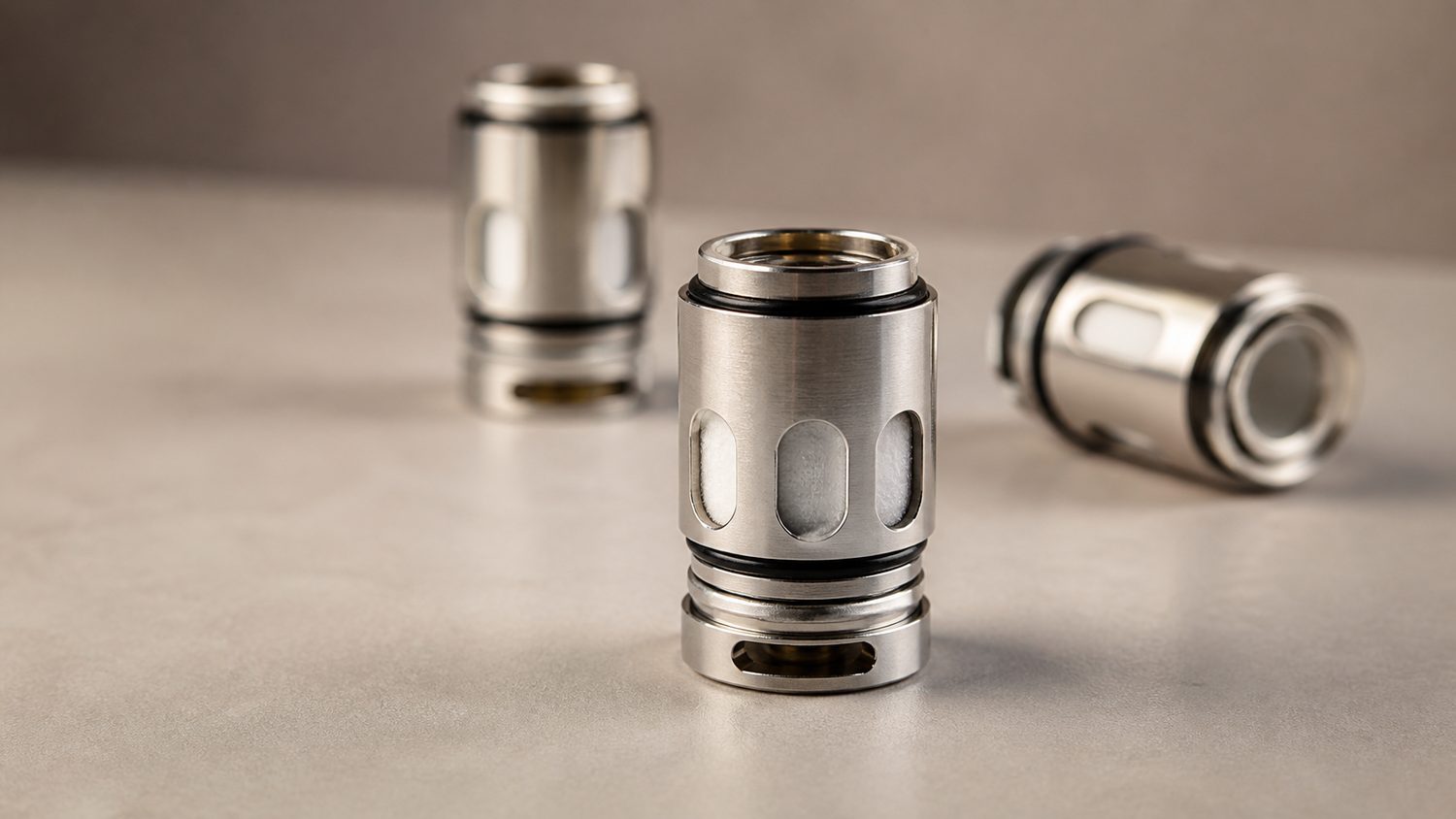
In many refillable or pod-based devices, a coil assembly contains a heating element and a wick. Liquid is drawn into the wick and aerosolized when the device is activated. The assembly may be built into a pod, replaceable separately, or sealed inside a disposable product. These designs are not mechanically interchangeable. Components that appear alike can use different electrical contacts, airflow paths, seals, and power limits.
Resistance is usually printed in ohms, but it is only one part of compatibility. The device electronics, approved power range, liquid viscosity, airflow arrangement, and manufacturer instructions also matter. A lower or higher resistance is not automatically better and is not a safe shortcut for changing nicotine delivery. Follow the device documentation exactly. If the label and manual conflict, stop using the component until the manufacturer can clarify it.
Compatibility comes first
Start with the exact device family and its official replacement-part information. Confirm the generation, pod or tank version, connection style, and resistance marking. Do not rely only on a retailer’s shortened title, because packaging and product names can change. A compatible component should have intact seals and matching instructions. A part that must be forced into place, rocks in its seat, leaks immediately, or prevents a pod from closing is not a correct fit.
Do not assume that a component for a similarly named device will work safely. Hardware revisions can change magnet placement, contact geometry, firmware limits, and airflow. Original manufacturer compatibility information is more reliable than forum posts, photos, or generic claims. If a used device has corrosion, damaged contacts, a swollen battery, or an unknown history, changing the coil is not an appropriate repair.
Liquid, wick, and normal operation
E-liquids vary in carrier-liquid ratio and viscosity. A wick designed for one type may not supply another at the intended rate. That does not justify modifying a coil, enlarging openings, or operating outside stated limits. Use only the conditions the manufacturer specifies. A burnt taste, harsh sensation, bubbling, persistent gurgling, repeated leakage, or a hot mouthpiece is a reason to stop and inspect the device rather than continue.
Instructions sometimes explain how to prepare a new wick before use, but the method and timing are product-specific. Do not copy instructions from a different device family. Avoid repeated activation when a pod is empty or nearly empty. Dry heating can damage a wick and produce an unpleasant or irritating aerosol. If a fault continues after following official instructions, discontinue use and seek support.
Electrical and battery safety
A coil is part of an electrical system. Never alter a coil, bridge contacts, rebuild a sealed assembly, or defeat a device’s protective features. Use the specified charging cable and power source. Charge on a hard, non-combustible surface where the device can be observed. Do not charge a device that is hot, wet, physically damaged, or leaking. Stop immediately if a battery swells, emits an odour, becomes unusually hot, or has damaged insulation.
Keep loose batteries away from coins, keys, jewellery, and other metal objects. Do not use a damaged charger or cable. A replacement coil will not correct a battery fault. If a device has been dropped, submerged, or left in extreme heat, treat it as potentially damaged even if it turns on. Manufacturer support, battery-recycling guidance, or qualified repair advice is safer than experimentation.
Hygiene, storage, and disposal
Nicotine liquid can leak onto hands, bags, and surfaces. Keep devices upright where practical, clean external residue with care, and wash hands after handling leaked liquid. Store nicotine products and hardware secured from children and animals. Do not leave a device in a hot vehicle or direct sun.
Do not pour nicotine liquid into drains, onto soil, or into a toilet. Do not place damaged batteries in ordinary household trash. Follow local household-hazardous-waste and battery-recycling guidance. Before recycling electronics, handle any leakage as local instructions require. Keeping components separate and labelled reduces accidental exposure and helps a waste facility direct them correctly.
When to seek help
Seek urgent poison-control or medical advice if nicotine liquid is swallowed, enters the eye, causes symptoms after skin contact, or is involved in a child or pet exposure. Take the package or a clear photo of the label if it is safe to do so. Seek medical care for concerning symptoms after use. Report product faults through the manufacturer’s support route and the relevant national safety-reporting system.
Rules on nicotine products, flavours, sales, possession, and disposal vary. Online availability does not prove that a component is lawful or authorized where you live. Check current guidance from the relevant public-health or tobacco regulator. Adults who smoke and want help changing nicotine use can speak with a clinician about approved treatments and cessation support.
Bottom line
There is no universally best coil for nicotine-salt use. Identify the exact device, follow its original instructions, respect its electrical limits, and stop when there are signs of leakage, overheating, damage, or poor fit. Treat nicotine products as tobacco products and seek professional help for health, exposure, or cessation questions.