

“Best catch of his life” is not an identifiable book, film, album or single story title. It appears as a recurring phrase in sports reporting, fishing writing, romance copy and personal reminiscence. Search results include baseball accounts in which players describe a defensive play that way, as well as fictional and non-fictional uses of “catch” as a metaphor for a relationship. Because the phrase has no single authoritative work behind it, this page does not invent a ranking, a plot summary or a product list.
Why the phrase is ambiguous
In sport, “catch” usually means a completed reception or a fielding play. A player may call one play the best of his life after preventing a home run, completing a difficult diving catch or making a game-saving reception. That is a speaker’s description of a particular moment, not a standardized award category. The same wording has been applied to different athletes in different decades, so attaching it to one famous event without the team, date, opponent or sport would be misleading.
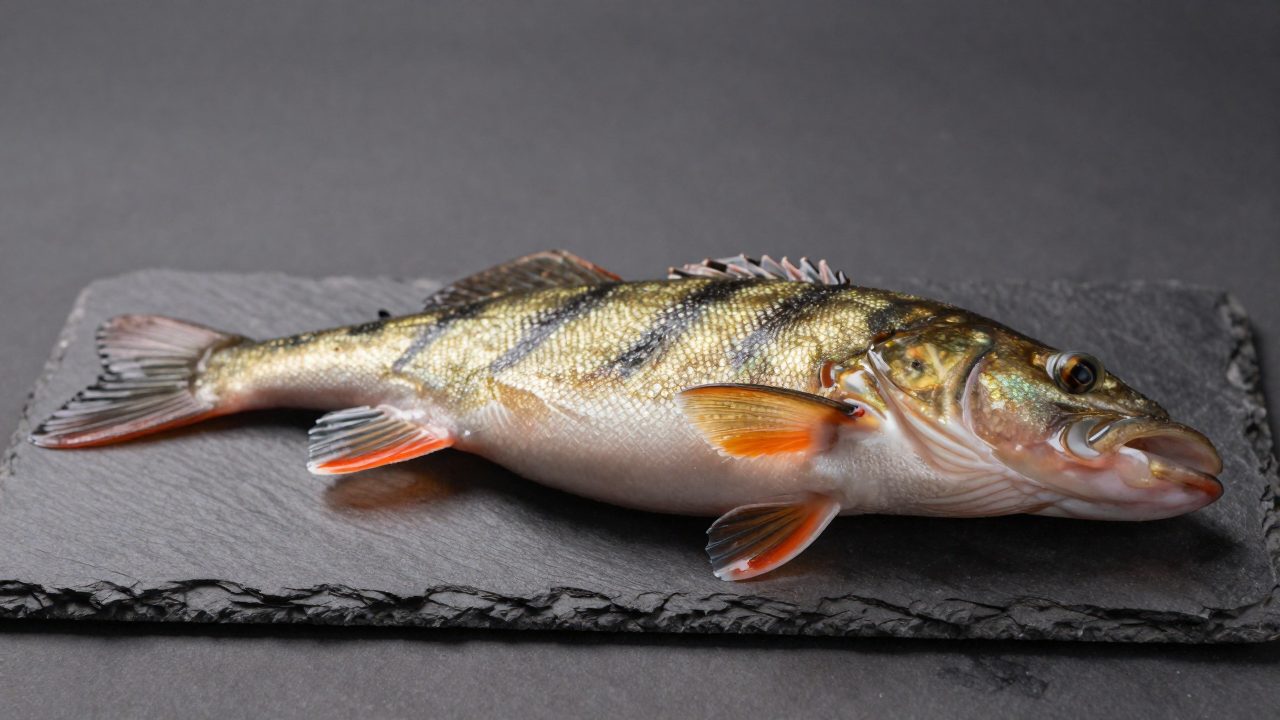
In fishing, a catch may be a fish landed on a memorable trip. The phrase can describe size, difficulty, a personal milestone or the company involved. It does not identify species, location, tackle or method. In romance and family writing, “the catch of his life” is a familiar metaphor for a partner. Those meanings are different enough that a generic search must be narrowed before it can be answered accurately.
Add the missing context
For a sports question, include the player, team, league, opponent, approximate year and whether the play was offense or defense. “Jim Edmonds 1997 catch” and “Melky Cabrera 2006 catch” identify very different baseball reports; both have been described in coverage as a player’s best catch. For football, include the game and quarter because a receiver can have several notable catches in the same contest. A video title alone is weak evidence: uploads are frequently retitled, clipped and reposted.
For a fishing question, include the species, waters, date and whether “best” means largest, first, most difficult or most meaningful. A catch-and-release story and a trophy-weight record are not the same kind of fact. For a novel, film or song, give the creator, release year, publisher, studio, performer or a quoted line long enough to distinguish the work. Those details let a library catalogue, publisher record, credits database or official team archive provide a reliable answer.
Use primary records where possible
Official league box scores, team archives and contemporaneous reporting are stronger evidence for a sports play than a reposted highlight. They can establish date, score, inning or quarter, opposing player and result. For published works, a publisher page, library record or the creator’s official catalogue is the right starting point. For films and television, credits from the studio, distributor or recognized archive are more useful than anonymous quote pages.
Source quality matters because the phrase is flattering and subjective. “Best” may be a player’s spontaneous remark, a journalist’s headline, an editor’s caption or a fan’s opinion. A careful description attributes the judgment: say that a player called it his best catch, or that a report described it that way. Do not turn a colorful quote into a proven all-time ranking.
A practical search method
Write down every concrete clue already available, then search the rarest combination first: surname plus team plus year is usually better than the full phrase in quotation marks. Compare at least two independent records. Check whether the event date, opponent and result agree. If a source gives only the quote and no event details, follow it back to a contemporary article or official recap before relying on it.
When the context is literary, search the exact title with the author rather than a descriptive phrase from a synopsis. When the context is fishing, distinguish a competition record from a personal story. If no context can be supplied, the honest answer is that the phrase remains ambiguous. It is better to ask for a name or date than to attach a reader to an unrelated work, player or story.
The bottom line
This query is a phrase, not a unique title. It has been used for notable baseball plays and for many unrelated personal and fictional descriptions. Add a person, work, sport, place or date, then verify the resulting answer against an authoritative record. That simple step replaces a plausible but invented answer with one that can be checked.
Keep the original spelling and punctuation when asking a follow-up question, but add the context in plain language. A precise query is easier to verify, easier to source and much less likely to return an attractive but unrelated result.