

As an Amazon Associate and eBay Partner, toptenpick.com earns from qualifying purchases. Prices and availability are subject to change.
Before anything else: in England it has been illegal since February 2024 to use a remote-controlled electric shock collar on a dog, and Wales has banned electronic collars on dogs and cats since 2010. Vibration-only and citronella spray collars remain lawful across the UK. Rules differ by country and by state, so check yours before ordering — this is the one specification no product page will tell you.
The second thing is specific to this breed and it matters more than the collar you choose. A Maltese is a companion dog bred for centuries to attach closely to people, and the barking that sends owners looking for a collar is overwhelmingly one of two things: alarm barking at sounds outside, or distress at being left alone. Both are fear-driven. The published welfare reviews are consistent that where barking is driven by fear, anxiety or compulsion, aversive methods tend to increase the anxiety — you suppress the noise and leave the distress in place, and the reported side effects include hypervigilance, reduced responsiveness and learned helplessness.
That is not an argument that nobody should own one. It is an argument that you should establish why the dog is barking first, because for one of the two common causes a collar is the wrong tool and will make the underlying problem worse. A camera pointed at the dog while you are out answers the question in an afternoon: a dog that starts within minutes of the door closing, paces, and does not settle is showing separation distress, and that needs a behaviour plan rather than hardware.
Where a collar is defensible is for a dog that is otherwise settled and confident and barks at a specific, identifiable trigger — the postman, the neighbour’s gate — and where you have already tried managing the trigger itself. Even then the humane hierarchy runs: sound or vibration first, citronella only if that fails, and static never for a dog this size.
On the size point. A Maltese is typically 1.5 to 3.5 kg. A great many bark collars are built for dogs several times that weight, and a heavy box on a small neck is its own welfare problem. Look for a unit under about 30 grams with a short, soft, adjustable strap, and check the smallest neck circumference it will close to.
The list runs from the least aversive options through to the collars themselves, and it includes the alternatives that often work better.
| # | Product | Price | Where to buy |
|---|---|---|---|
| 1 | Ultrasonic Anti-Bark Trainer (handheld or tabletop) | $15–$35 | Amazon · eBay |
| 2 | Vibration-Only Bark Collar for Small Dogs | $25–$50 | Amazon · eBay |
| 3 | Citronella Spray Bark Collar | $40–$80 | Amazon · eBay |
| 4 | Indoor Pet Camera with Two-Way Audio | $35–$90 | Amazon · eBay |
| 5 | Certified Behaviourist Consultation | $100–$300 | Amazon · eBay |
| 6 | Calming Pheromone Diffuser | $25–$50 | Amazon · eBay |
| 7 | White Noise Machine | $20–$45 | Amazon · eBay |
| 8 | Food Puzzle and Long-Lasting Chew | $12–$30 | Amazon · eBay |
| 9 | Lightweight Adjustable Collar for Toy Breeds | $12–$28 | Amazon · eBay |
| 10 | Static / Shock Bark Collar (do not — and check the law) | $25–$60 | Amazon · eBay |
The picks, in detail
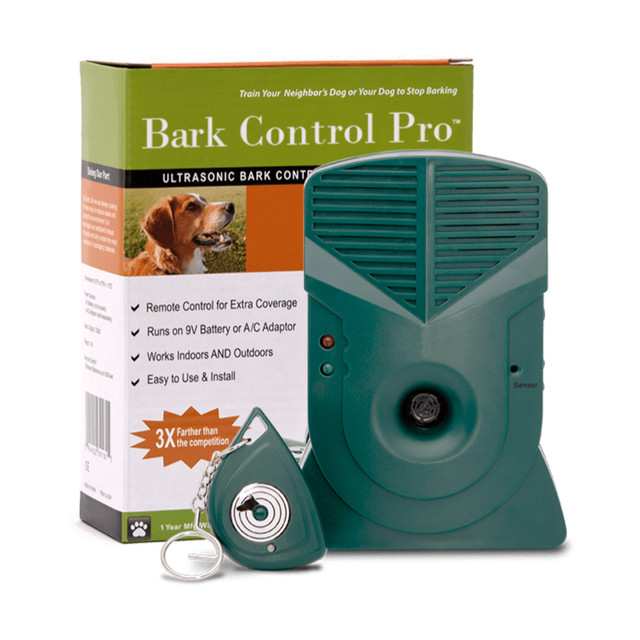
Ultrasonic Anti-Bark Trainer (handheld or tabletop)
Not worn at all, which removes the size and fit problem entirely. A tabletop unit emits a high-frequency tone when it detects barking; a handheld one lets you mark the moment yourself. Evidence for effectiveness is mixed and some dogs ignore them completely, but the failure mode is that nothing happens, which is the right failure mode to have with a small anxious dog.
- Ultrasonic tone triggered by barking or by hand
- No collar worn by the dog
- Battery powered, tabletop or pocket sized
- Adjustable sensitivity and range
- Nothing attached to a small dog’s neck
- Harmless if it does not work
- Cheap enough to try first
- Many dogs simply ignore it
- Affects other dogs in the household too
- Does nothing about the cause of the barking
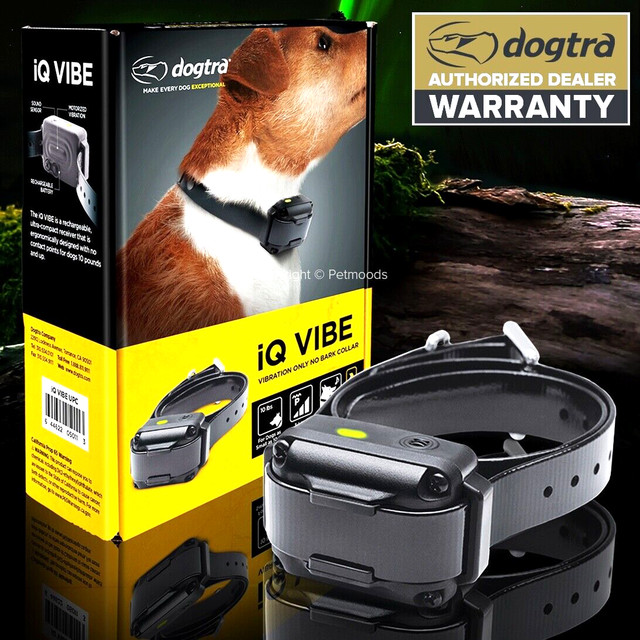
Vibration-Only Bark Collar for Small Dogs
The mildest wearable option and lawful across the UK. A bark-activated vibration collar interrupts the bark with a buzz rather than anything painful, which is enough of a pattern-break for some dogs. For a Maltese the specification that matters is mass and strap length — look for a unit around 20 to 30 grams that closes to a genuinely small neck, and check it has no static mode hidden behind a setting.
- Vibration only, no static function
- Bark-activated with adjustable sensitivity
- Lightweight housings from around 20 g
- Rechargeable on most current models
- Lawful across the UK and most jurisdictions
- Least aversive of the wearable options
- Light enough for a toy breed if chosen carefully
- Many models are too heavy or too large for a 2 kg dog
- False triggers from other dogs barking nearby
- Still suppresses a symptom rather than treating a cause

Citronella Spray Bark Collar
Releases a burst of citronella scent when the collar detects a bark. It is lawful throughout the UK, it is genuinely non-painful, and for dogs that ignore vibration it is the next step. The practical drawbacks are real: the reservoir empties, refills cost money indefinitely, and the collar is bulkier and heavier than a vibration unit — which is exactly the wrong direction for a dog this small.
- Citronella or unscented spray cartridge
- Bark-activated microphone
- Refillable reservoir
- Adjustable sensitivity
- Non-painful and lawful everywhere in the UK
- More salient than vibration for dogs that ignore a buzz
- Widely recommended as a humane alternative to static
- Heavier and bulkier than vibration — a real issue on a 2 kg dog
- Ongoing refill cost
- Some dogs learn to empty it deliberately

Indoor Pet Camera with Two-Way Audio
The diagnostic tool, and for this breed it is the purchase that most often makes the collar unnecessary. Point it at the dog, leave, and watch. A dog that begins within minutes of the door closing, paces a fixed route, and never settles is showing separation distress — which is a behaviour problem with a treatment plan, and which a bark collar will make worse. A dog that sleeps for two hours and then barks once at the post has a trigger you can manage.
- Live video with motion and bark alerts
- Two-way audio
- Cloud or local recording
- Some models dispense treats
- Answers the only question that actually matters
- Useful long after the barking is sorted
- Recordings are what a behaviourist will ask for
- Talking to a distressed dog through it often makes things worse
- Subscription fees for cloud recording on many models
- Does not itself change anything

Certified Behaviourist Consultation
The honest top recommendation for a small companion breed that barks when left. Separation-related behaviour has an established treatment approach — gradual absence training, managing departure cues, sometimes medication from a vet — and it works. It costs more than a collar and it is the thing that actually resolves the problem rather than muting it. Look for a qualified, accredited behaviourist working on referral from your vet.
- Assessment of the actual cause of barking
- Structured desensitisation plan
- Vet referral where medication may help
- Remote consultations widely available
- Addresses the cause rather than the noise
- Effective for separation-related barking, where collars are counterproductive
- One-off cost rather than an ongoing arms race
- Considerably more expensive than a collar
- Requires weeks of consistent work from you
- The industry is unregulated — check accreditation carefully

Calming Pheromone Diffuser
A plug-in that releases a synthetic analogue of the pheromone a nursing dog produces. The evidence is modest rather than overwhelming, and it will not fix genuine separation distress on its own — but it is completely benign, it costs little, and it is a reasonable component of a plan alongside behaviour work. Plug it in the room the dog actually settles in, not the hallway.
- Synthetic appeasing pheromone
- Plug-in diffuser with refills
- Collar and spray formats also available
- Covers a single room
- Entirely benign with no aversive component
- Cheap to try
- Works alongside a behaviour plan rather than against it
- Evidence is modest and mixed
- Refills are an ongoing cost
- Room-limited, so placement matters
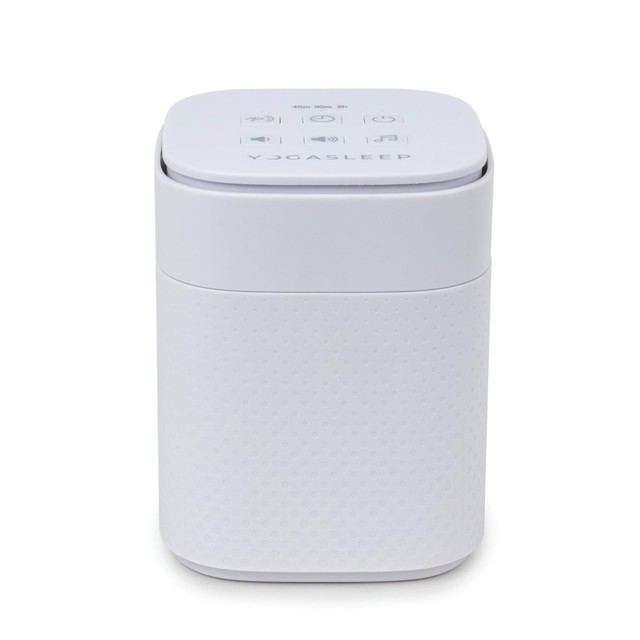
White Noise Machine
Unglamorous and frequently the thing that works for alarm barking. A Maltese barking at footsteps in a corridor, a lift, or a neighbour’s door is responding to sounds it can hear and you mostly cannot. Masking those sounds removes the trigger rather than punishing the response, which is both kinder and more durable. Cheap, and it helps the dog sleep.
- Continuous broadband or fan noise
- Adjustable volume
- Mains or battery powered
- No app or subscription needed
- Removes the trigger instead of punishing the reaction
- Very cheap and completely benign
- Often effective within days for corridor and street noise
- Useless for separation-related barking
- Some dogs find a new constant sound unsettling at first
- Needs to run whenever you are out

Food Puzzle and Long-Lasting Chew
A dog cannot bark and chew at the same time, and for the first anxious twenty minutes after a departure that matters. A stuffed and frozen rubber toy given as you leave both occupies the mouth and changes the emotional association with departures, which is the mechanism behaviourists use deliberately. Cheap, and it addresses the specific window when most alarm barking starts.
- Stuffable rubber toys and puzzle feeders
- Freezer-safe for longer duration
- Sized for toy breeds
- Dishwasher safe on most
- Occupies the specific window when barking usually starts
- Builds a positive association with being left
- Inexpensive and durable
- Calories have to come out of the daily ration
- A genuinely distressed dog will not eat at all — which is itself diagnostic
- Needs preparing the night before

Lightweight Adjustable Collar for Toy Breeds
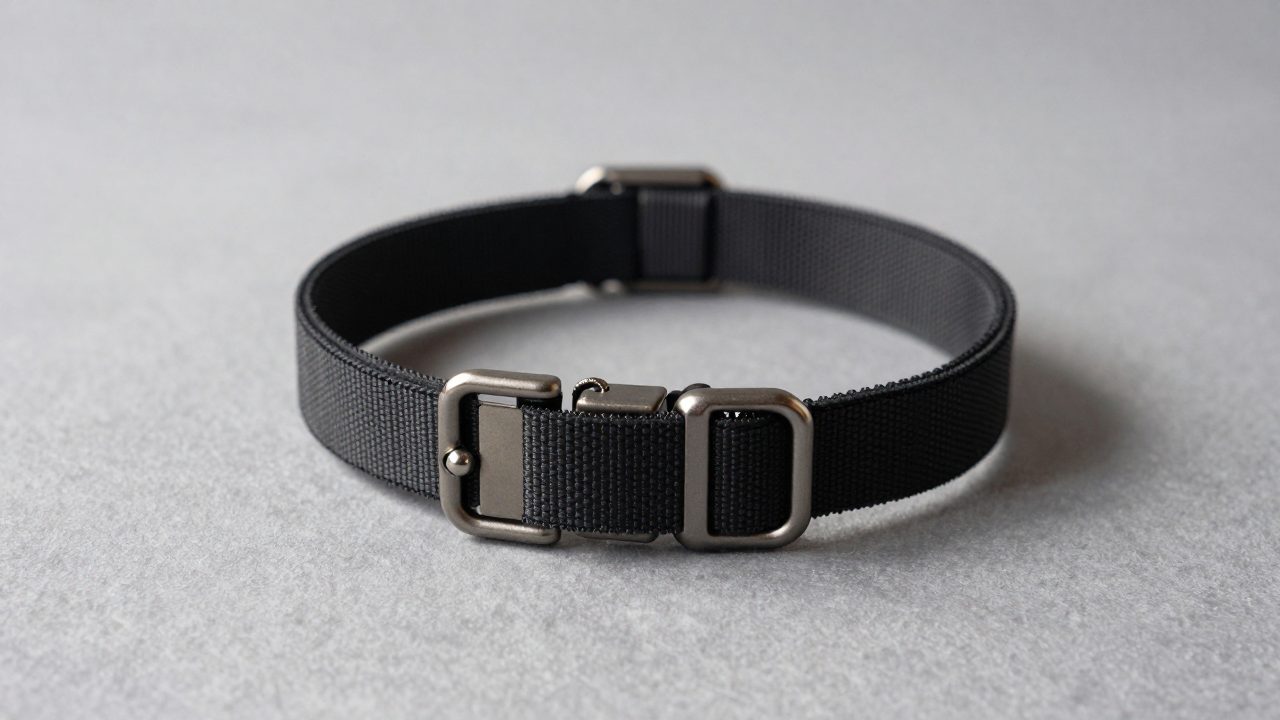
Relevant because whatever device you settle on has to sit on a neck that may be under 25 cm. A properly sized soft collar with a small buckle distributes the weight of a bark unit better than the rigid strap most collars ship with, and a Maltese’s coat mats under anything abrasive. If you do use a bark collar, check the fit daily and take it off at night.
- Soft webbing or padded leather
- Sized for necks from around 20 cm
- Light hardware
- Adjustable over a small range
- Spreads the load of a device better than a stock strap
- Gentler on a long coat that mats
- Cheap
- Not all bark units transfer onto a third-party collar
- Long coats need checking underneath daily
- Another thing to buy alongside the device
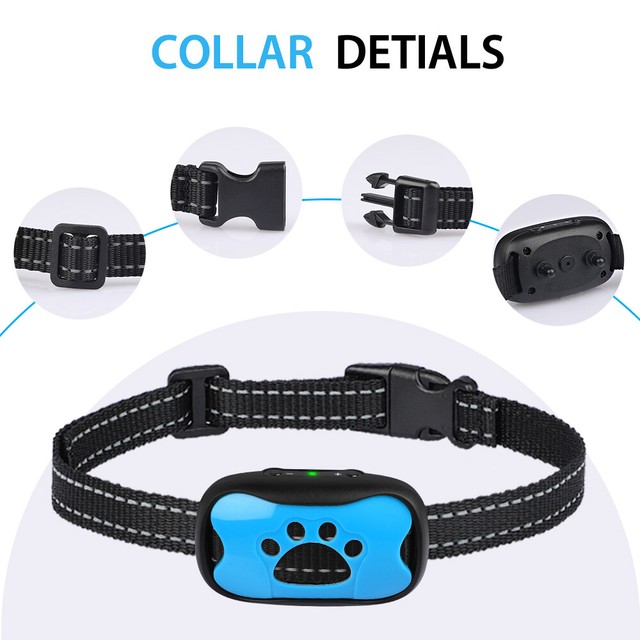
Static / Shock Bark Collar (do not — and check the law)
Named plainly so the page is useful. Electric shock collars are banned for use on dogs in Wales since 2010 and remote-controlled versions have been illegal in England since February 2024, with rules varying elsewhere. Beyond legality, the welfare literature links them to increased anxiety, hypervigilance and learned helplessness, and a 2 kg companion dog barking from distress is the worst possible candidate. There is no version of this that is the right answer here.
- Static correction at varying intensities
- Bark-activated or remote
- Widely sold online regardless of local law
- Often marketed with vibration and tone modes
- Nothing that outweighs the objections below
- Illegal to use in Wales, and remote versions illegal in England
- Linked to increased anxiety, hypervigilance and learned helplessness
- Worst possible fit for a small dog barking out of distress
Buying tips
- Check your local law before you order. Electronic collars have been banned for use on dogs in Wales since 2010, and remote-controlled shock collars have been illegal in England since February 2024; vibration and citronella collars remain lawful across the UK.
- Find out why the dog is barking before buying anything. Point a camera at it and leave — a dog that starts within minutes, paces and never settles is showing separation distress, and a collar will make that worse.
- Understand the welfare finding: where barking is driven by fear or anxiety, aversive methods tend to increase it. You suppress the sound and leave the distress in place.
- Weigh the device against the dog. A Maltese is typically 1.5 to 3.5 kg, and much of this market is built for dogs several times that — look for under about 30 grams and check the smallest neck size it closes to.
- Work up the hierarchy, never down. Manage the trigger first, then sound or vibration, then citronella. There is no step after that for a dog this size.
- Mask the trigger for alarm barking. A white noise machine removes the corridor and street sounds a small dog reacts to, which is kinder and more durable than punishing the reaction.
- Never leave a bark collar on an unattended dog for long periods, and check the skin under it daily. Long coats mat and hide pressure sores.
- Budget for a behaviourist rather than a second collar if the first does not work. Separation-related barking has an established treatment that works, and escalating the hardware does not.
As an Amazon Associate and eBay Partner, toptenpick.com earns from qualifying purchases. Prices and availability are subject to change.