

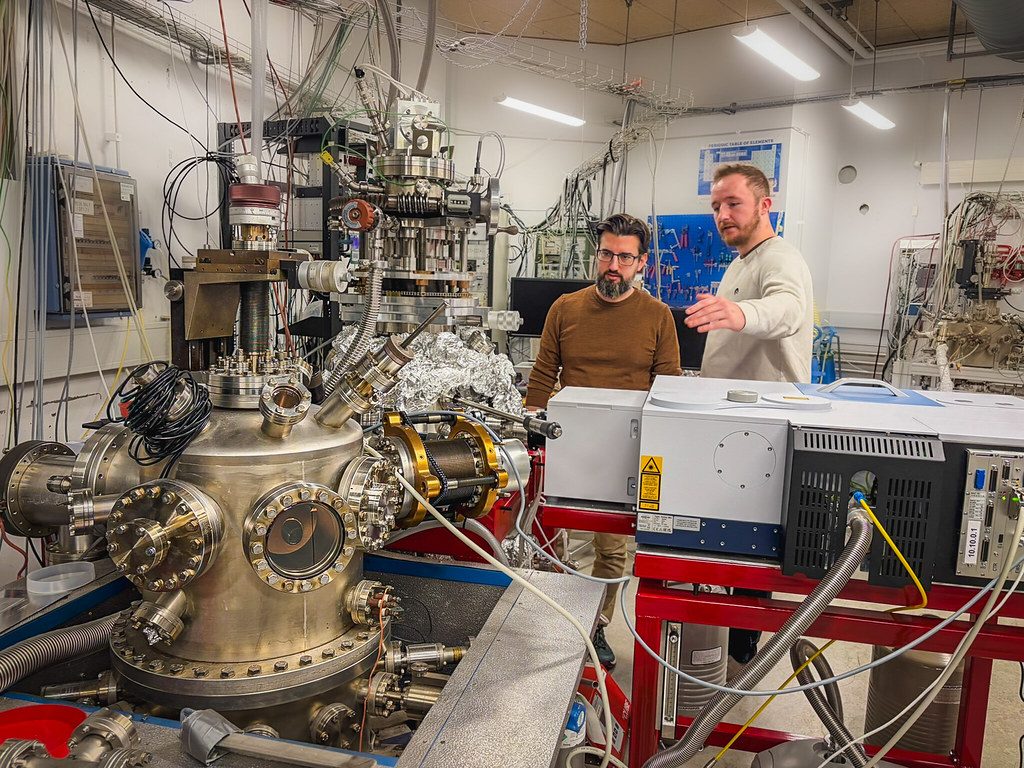
Vacuum equipment is sometimes discussed alongside cannabis concentrates, including shatter. This page is not a buying guide or a process guide. It does not recommend chambers, pumps, accessories, brands or methods. Concentrate production can involve flammable solvents, pressure differentials, hot surfaces and regulated cannabis activity. Those risks are not solved by owning a metal vessel.
Why a vacuum chamber is not ordinary kitchen equipment
A chamber is a pressure vessel: removing air changes the pressure across its lid, seals, fittings and any material inside it. The relevant safety question is not whether a component looks thick or expensive. It is whether the complete vessel, lid, gasket, port, hose, gauge and pump connection are intended for the duty and are being used within the maker’s published limits. A cracked acrylic lid, damaged gasket, improvised threaded fitting or mismatched hose can turn a routine operation into an implosion, flying-debris or exposure hazard.
It is especially important not to confuse vacuum equipment with equipment certified for hazardous locations. A motor, switch or heater that is acceptable in an ordinary workshop may be an ignition source where flammable vapour is present. Domestic ventilation is not an engineering control. A garage, shed, basement or kitchen may have enclosed low points, drains, pilot lights, electrical devices and people nearby. Local fire, building, workplace and cannabis rules may also prohibit the activity or impose permits and professional requirements.
Materials, seals and pressure limits
Chambers may use metal bodies, clear lids or clear cylindrical walls. Transparency can make it easier to see what is happening, but it is not a safety rating. Clear plastics can scratch, craze, weaken with incompatible chemicals or age from repeated stress. Metal can conceal corrosion, damaged threads or contamination. Gaskets must seat evenly and remain compatible with the manufacturer’s intended service; stretching a seal, lubricating it with an unapproved substance or substituting a random O-ring defeats the reason the assembly was tested together.
Read the manufacturer documentation for a complete assembly rather than mixing a vessel from one source with a lid, gauge and pump from others. Do not assume a deeper indicated vacuum is better. The gauge type, its calibration, altitude, leakage and the material being processed all affect what the reading means. A gauge is an instrument, not a guarantee that a vessel is safe or that a result is suitable for use.
What a responsible evaluation looks like
For any lawful, non-hazardous laboratory or workshop use, start with written documentation: the vessel’s intended use, pressure or vacuum rating, temperature range, replacement parts, inspection guidance and warnings. Check whether the manufacturer identifies the exact lid and fittings supplied. Look for damage before every use, keep hands and face out of the line of a lid or fitting, and stop if there is an unfamiliar sound, a shifting lid, a sudden leak or a damaged seal. Never modify a pressure boundary, drill a lid or substitute hardware simply because it appears to fit.
Work should occur only in an appropriate facility with the correct engineering controls, training and emergency planning. If an activity can generate flammable vapour, qualified local professionals—not internet instructions—should determine whether it is legal and what equipment, ventilation, electrical classification and fire protection are required. Protective equipment is not a substitute for removing the ignition and exposure hazard at its source.
Storage, cleaning and disposal
Depressurize and isolate equipment before inspecting or cleaning it. Follow the documentation for compatible cleaning materials and replacement intervals. Do not use unknown solvents on plastics, seals, adhesives or gauge faces. Keep records of damage, repairs and replacement components in any workplace setting. A chamber that has been dropped, cracked, altered, exposed to an incompatible chemical or used outside its documented limits should be removed from service until the manufacturer or a qualified technician says otherwise.
This subject also has a legal layer. Cannabis laws, licensing, extraction rules and fire-code requirements vary sharply by jurisdiction and can change. A reader considering any cannabis-related activity should consult current local law and appropriately qualified legal, safety and facility professionals. The safest takeaway is simple: do not treat a vacuum chamber as a casual consumer appliance, and do not improvise equipment or procedures around flammable materials.
Vacuum fundamentals and limits
Vacuum means pressure below the surrounding atmosphere; it does not mean an empty space or a harmless condition. The atmosphere continues pressing inward on every exposed wall and lid. That is why a chamber can fail inward rather than burst outward. The amount of risk depends on geometry, wall condition, materials, temperature, connections and the pressure difference, none of which can be judged reliably from a listing photograph.
Inspection and implosion hazards
Before use, examine exposed surfaces, threads, ports, seals and the gauge window. Scratches, crazing, chips, corrosion, loose fittings, distorted lids, brittle gaskets and damaged threads are reasons to stop. Do not attempt a repair with glue, tape, sealant or improvised hardware on a pressure boundary. Keep observers, hands and face away from the possible line of failure, and use a location and shielding appropriate to the documented equipment and task. Never leave operating equipment unattended.
Pumps, isolation and contamination
A pump is not merely an accessory. It may contain oil, create heat, exhaust air and be damaged by material drawn from the chamber. Follow its documentation for compatible service, placement, electrical supply and maintenance. Isolate equipment before inspection, allow it to return to atmospheric pressure as directed, and prevent backflow or contamination according to the manufacturer’s instructions. Do not put unknown, volatile, corrosive or reactive substances into a system designed only for dry, non-hazardous work. The safest response to an unfamiliar residue, odour, sound or gauge change is to stop, isolate the equipment and seek qualified advice.