

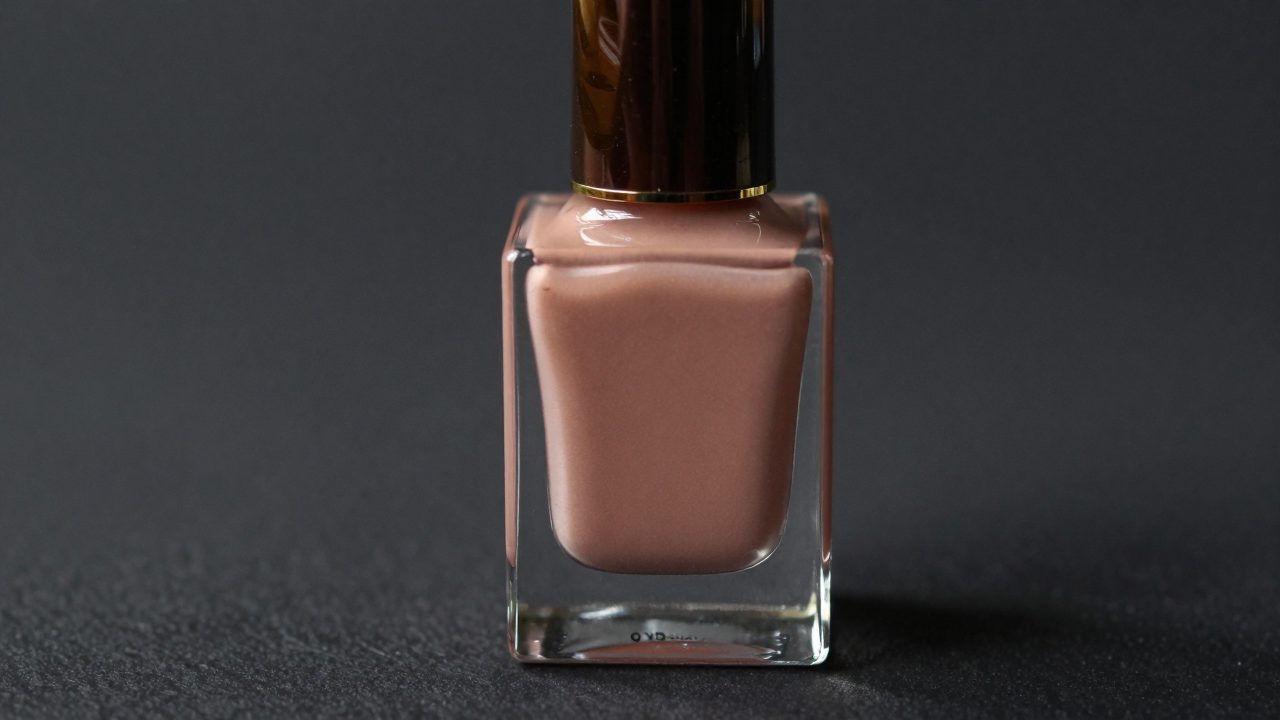
Tom Ford has sold nail colour in past beauty collections, but a current, stable Tom Ford nail-polish range is not readily identifiable. That makes a conventional list of current shades unreliable. Luxury-cosmetic search results can combine an old editorial image, an unavailable retailer page, resale stock, and a different Tom Ford beauty item. A result that mentions the brand is not proof that a particular nail lacquer remains current retail stock.
Identify the exact item
Start with the actual bottle. Its label should identify the brand, shade name, product type and volume. A product title is weak evidence: sellers can shorten names, use automatic catalogue data, or attach a listing to a similar product. Read the label on the base and compare it with the bottle photograph. If the listing does not clearly show a nail-lacquer bottle, do not infer that a Tom Ford cosmetic item is nail colour.
Record the shade name exactly as printed, including any number and punctuation. Note bottle size, cap design and the country or retailer shown on the label. These details distinguish versions of a colour and prevent confusion with a similarly named lipstick, fragrance or eye product. Keep the seller photographs and order details; they make later comparisons far more reliable than a search-result title.
Availability is not the same as search visibility
Nail colour is seasonal and shade-led. Retailers can retain indexed pages after a collection sells through, and marketplaces can call an older bottle new even when its storage history is unknown. A page may show an unavailable nail item beside active lip or eye products. Treat availability as established only when the specific shade and bottle are shown in stock by the retailer or seller offering it.
Older cosmetics are a different purchase from a current replacement. Someone seeking an archival shade is shopping a collectible item, not simply selecting a fresh formula. Rarity can explain a high asking price, but it does not establish authenticity, performance or condition. Compare actual bottle photographs, a clear condition statement and return terms before treating a listing as meaningful.
Condition comes before colour
Polish can thicken, separate and evaporate with age. Inspect the cap seal, neck and visible fill level. Leakage around the cap, severe separation that does not remix, an unusual odour or obvious evaporation are reasons to pass. A sealed-looking cap is helpful but cannot prove how the item was stored. Heat exposure during shipping or long-term storage can change a formula even when it has never been opened.
Do not try to rescue a questionable bottle with household solvents. A thinner intended for nail lacquer is appropriate only where its instructions support that use, and it cannot establish that an old formula is otherwise sound. If the history is unclear, a current product with a return path is the safer practical choice than trying to make collectible stock behave like fresh retail stock.
Read shade and finish separately
A shade name tells little about how lacquer looks on the nail. Cream, pearl, shimmer, metallic, jelly and glitter formulas reflect light differently. One photograph can hide translucency, a strong base tint, visible brush strokes or a colour shift from pearl pigment. Look at several independent images in daylight and indoor light. Check whether the swatch uses one coat or two and whether a base or glossy top coat changed the appearance.
Undertone matters as much as colour family. Red may lean blue, orange or brown; nude may lean pink, beige, peach or grey; metallic can look cooler indoors than in daylight. Compare finish and undertone to the wearer’s normal preferences rather than buying for a logo. If the desired result is a deep neutral, cream or metallic look, a current, well-documented formula can be easier to match and replace.
Application and packaging
Clean, dry nails, thin coats and adequate drying time give a more reliable result than a rushed swatch. A ridge-filling base can change the look of sheer and pearl formulas, while a glossy top coat can make colour look deeper. Photographing the finished manicure in daylight and indoor light creates a useful personal reference.
Older brush condition also affects application. A brush hardened at the neck or splayed at the tip creates streaks unrelated to the shade. Check that the cap closes cleanly and the brush is usable before accepting a resale bottle as a working manicure product. For a collector, packaging condition may matter most; for use, formula and brush condition should lead the decision.
Buying from resale listings
Use a marketplace listing only when it has its own photographs, a clear condition statement and a realistic return route. Avoid listings that rely solely on catalogue imagery, omit the shade label, or use vague wording such as luxury nail item. Ask for a base-label photograph when necessary. A seller should show the item being sold, not a campaign image.
Be careful with bundles that do not identify every bottle. The same applies to photographs containing several similar shades while the title names only one. Shipping, platform fees and no-return terms can turn a modest headline price into an expensive experiment. Include those costs and risks when comparing listings.
A practical alternative
If the goal is the look rather than one archival bottle, choose a current nail-colour formula from a retailer with clear shade photography, transparent stock status and returns. Compare finish and undertone, not brand identity alone. It will be easier to replace if it chips, dries out or looks different from the photograph.
Checklist
- Confirm the bottle identifies Tom Ford and a nail-colour product.
- Read the shade label rather than trusting a listing title.
- Check actual bottle photographs, seal and fill level.
- Compare several swatches for finish and undertone.
- Prefer a clear condition statement and return policy.
The useful answer is not a pretend current-product list. Exact shade identity, availability and condition determine whether an individual bottle deserves consideration. Establish those facts from the listing and bottle rather than from an old product mention.