


As an Amazon Associate and eBay Partner, toptenpick.com earns from qualifying purchases. Prices and availability are subject to change.
Bias type isn’t a matter of taste on a Portastudio — it’s a switch. The 424, 414 and 424mkIII are all calibrated for high-bias Type II tape, and feeding one a Type I tape audibly flattens the top end, while feeding a Type-I-only budget deck a Type II tape leaves it dull and mistracked. The Portastudio line isn’t uniform on this: check your specific model’s manual before buying, because entry-level 4-tracks in the same family don’t all expect the same tape.
The harder fact, and the one that changes how to shop: nobody currently manufactures a fresh Type II (high-bias/chrome) cassette shell. Recording The Masters, the company most likely to bring one back, says plainly that Type II formulas aren’t returning to production barring a huge shift in demand. So every “high bias” tape recommended for the 424 family below — Maxell XLII, TDK SA, Sony UX-Pro and the rest — is new-old-stock: cassettes sealed decades ago and never sold, not new production. That changes the real buying question from “which formula is best” to “which seal can I trust,” since a sealed shell stored in heat or humidity degrades regardless of how good the tape inside was in 1989.
Type I (normal bias) is the one case where fresh tape genuinely still exists. Recording The Masters’ own Fox line and National Audio Company’s FerroMaster are both currently manufactured today, not vintage stock — the right buy for an older or budget Portastudio-family deck built around normal bias, and new production beats NOS whenever it’s available.
Shell length matters more on this format than on a home stereo deck. The 424/414 family runs the transport at double speed (3¾ ips) and records all four tracks in one pass across the tape’s width, so a C-90 gives you only around 22 minutes — and its thinner base film is more prone to stretch and wow at that speed with four tracks packed across it. C-60 or shorter is the standing advice in every Portastudio community thread for exactly this reason.
One purpose-built option sidesteps some of this guesswork: TASCAM sold its own Master 424 cassette, formulated specifically for these decks. It’s a genuine Type II tape, not a repurposed consumer one, though it was a limited production run rather than an ongoing line, so treat it as a bonus option rather than the default.
| # | Product | Price | Where to buy |
|---|---|---|---|
| 1 | TASCAM Master 424 Studio Cassette (424-S) | $13–$25 | Amazon · eBay |
| 2 | Maxell XLII | $6–$15 | Amazon · eBay |
| 3 | TDK SA | $6–$13 | Amazon · eBay |
| 4 | Maxell XLII-S | $9–$18 | Amazon · eBay |
| 5 | TDK SA-X | $15–$25 | Amazon · eBay |
| 6 | Sony UX-Pro | $19–$39 | Amazon · eBay |
| 7 | BASF Chrome Maxima II | $10–$20 | Amazon · eBay |
| 8 | Recording The Masters (RTM) Fox C60 | $12–$20 | Amazon · eBay |
| 9 | National Audio Company FerroMaster | $2–$8 | Amazon |
| 10 | Maxell UR90 | $5–$12 | Amazon · eBay |
The picks, in detail

TASCAM Master 424 Studio Cassette (424-S)
TASCAM’s own tape, engineered specifically for the Portastudio series rather than repurposed consumer stock. It’s a genuine high-bias Type II cobalt formulation that TASCAM specifies as roughly 4dB louder than an ordinary chrome cassette, which buys useful extra headroom when you’re bouncing several tracks down to two. It was a limited production run, so stock comes and goes between retailers rather than being a permanent catalog item.
- C-60 length, high-bias Type II cobalt oxide formulation
- Specified around 4dB louder output than a standard Type II tape
- Purpose-engineered for Portastudio cassette decks
- Built specifically for these machines, not a general-purpose consumer tape
- Extra output headroom is genuinely useful for multitrack bouncing
- C-60 length matches the format’s double-speed run time
- Limited production run — availability is inconsistent between retailers
- Costs more per tape than shopping loose NOS lots

Maxell XLII
The tape that comes up most often by name in Portastudio owner threads, and for good reason — it was one of the best-selling high-bias formulations of the cassette era and pairs cleanly with the 424 family’s bias and EQ switching. Every unit sold today is decades-old sealed stock rather than new production, so seal condition matters as much as which exact year you find.
- Type II high-bias formulation
- Available in C-60 and C-90 lengths
- The most frequently name-recommended tape in Portastudio community threads
- No current production — sold only as sealed old stock
- Widely and specifically recommended by name for these machines
- Good headroom and a forgiving top end for a Type II tape
- Easier to find sealed than most other Type II options
- New-old-stock only — no current production exists
- Binder degradation (“sticky-shed”) is a real risk on unverified sealed stock

TDK SA
The other name that comes up alongside Maxell XLII whenever Portastudio owners compare notes, with the same low-noise, forgiving character that made it a default choice for home four-tracking in the format’s heyday. As with every Type II tape here, “buying TDK SA” today means buying 30-plus-year-old sealed stock, not a current product off a factory line.
- Type II high-bias formulation
- C-60 and C-90 lengths commonly found sealed
- TDK’s long-running flagship high-bias consumer line
- No current production — NOS only
- Consistently recommended alongside Maxell XLII as a known-good Type II option
- Sealed lots still findable in both C-60 and C-90
- Low self-noise typical of TDK’s high-bias formulations
- No new production — condition varies a lot by seller
- The premium SA-X variant costs noticeably more for a similar practical result
Maxell XLII-S
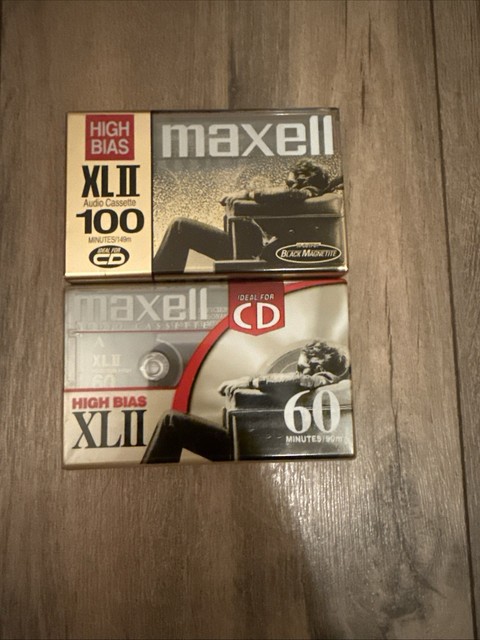
The step-up version of the XLII most Portastudio threads recommend by default — same family, a refined formulation Maxell marketed as its top Type II consumer tape. A reasonable middle ground if you want a bit more than the base XLII without paying the collector prices that Sony UX-Pro now commands.
- Type II, Maxell’s premium tier above standard XLII
- C-60 and C-90 shells have circulated, C-100 occasionally
- NOS only — same as every other Type II tape here
- Same trusted XLII shell and transport reliability with a step up in formulation
- Sits between standard XLII and the priciest premium tiers on cost
- Harder to find sealed than standard XLII
- Still decades-old stock — same storage caveats apply

TDK SA-X
The tier above standard SA, aimed at recordists who wanted more headroom and a slightly more extended top end from a Type II shell. Worth the step up if you’re bouncing several submixes down through a 4-track and want more margin before saturation, but it’s a genuine premium NOS purchase, not a budget substitute for standard SA.
- Type II high-bias, TDK’s step-up SA line
- Dual-coating construction TDK marketed as improved high-frequency response
- C-60/C-90 lengths
- NOS only — discontinued with the rest of consumer cassette manufacturing
- More headroom than standard SA for demanding multitrack bounces
- Same reliable TDK shell mechanics as the base SA line
- Noticeably pricier than standard SA or XLII for a similar practical bias type
- Sealed stock is scarcer than standard SA

Sony UX-Pro
Sony’s professional-tier Type II tape, one step above its standard UX line, and it comes up often in tape-collector discussions as a favorite for headroom and a quiet noise floor. It commands the highest prices of any Type II tape here because it’s scarce and sought after by collectors, not because it audibly outperforms XLII or SA on a 4-track.
- Type II high-bias, Sony’s professional-tier consumer line
- C-60 and C-90 shells
- No current production — collector and NOS market only
- Strong reputation for headroom and low noise among tape enthusiasts
- Sony’s shell mechanics are well regarded for smooth, reliable transport
- The most expensive Type II option here, largely due to collector demand
- Increasingly scarce sealed and getting more so
BASF Chrome Maxima II
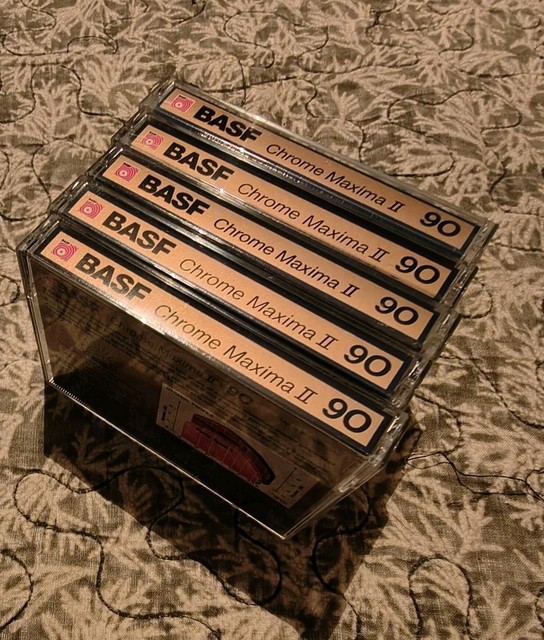
The European-market alternative to the Maxell and TDK names, and it’s specifically named in older Portastudio-era tape recommendations as “BASF Chrome” tape worth seeking out. Availability leans toward European sellers and eBay’s international listings, so factor shipping into the real cost before committing to a lot.
- Type II (IEC II / CrO2) formulation
- C-60 and C-90 shells from BASF’s original European production
- Named specifically in Portastudio-era tape recommendations
- NOS only — BASF’s consumer tape lines ended production long ago
- Specifically named in period Portastudio tape recommendations
- A true IEC Type II chrome-equivalent formulation
- Sourced mostly from European sellers — shipping adds real cost for US buyers
- Sealed stock is listed less often than the Maxell or TDK equivalents

Recording The Masters (RTM) Fox C60
The one tape on this list you can actually buy brand new rather than decades-old sealed stock. RTM is explicit that Type II/chrome formulas aren’t coming back to production, so Fox is Type I only — the right call for an older or budget Portastudio-family deck built around normal bias, and the wrong call for a 424, 414 or 424mkIII expecting Type II unless you’re prepared for a duller top end.
- Type I (normal bias) ferric formulation
- Currently manufactured new, not old stock
- C-60 and C-90 lengths
- Made by RTM, built on former BASF tape-coating technology
- Genuinely new production — consistent quality tape to tape
- From a manufacturer with real cassette-coating pedigree
- Type I only — noticeably duller on a deck whose bias switch expects Type II
- Costs more per tape than shopping loose vintage NOS lots
National Audio Company FerroMaster
A US-made, currently produced normal-bias tape, and the most budget-friendly way to buy genuinely new stock rather than gambling on a 30-year-old seal. Like RTM’s Fox, it’s Type I only, so it belongs on a Portastudio-family deck built around normal bias — not the 424/414/424mkIII line, which is calibrated for Type II.
- Type I normal-bias ferric formulation
- Currently manufactured in the US
- Sold individually or in bulk cartons
- Meets IEC Type I spec, no bias/EQ adjustment needed
- Currently manufactured, so quality doesn’t depend on decades of storage
- Bulk pricing makes it the cheapest per-tape option on this list by a wide margin
- Type I only — not a fit for the 424/414 family’s Type II bias switching
- Marketed mainly for duplication and voice use, so it’s a more basic formulation than a premium vintage Type II tape

Maxell UR90
The budget classic Type I option if you’re buying NOS instead of a currently-made Fox or FerroMaster tape — a well-regarded, easy-to-find normal-bias cassette from Maxell’s mainstream consumer line. Fine for a standard-bias Portastudio-family deck; skip it for a 424 or 414 that expects Type II.
- Type I normal-bias formulation
- Classic Maxell consumer line from the cassette era
- C-60 and C-90 lengths widely available sealed
- No longer manufactured — NOS
- Cheap and easy to find sealed compared to Type II NOS options
- Consistent, well-known formulation from a major manufacturer
- Type I only — wrong bias for the 424/414/424mkIII line
- As NOS, subject to the same age and storage variability as any decades-old tape
Buying tips
- Check your specific model’s manual for its bias/EQ switch setting before buying tape — Type I on a Type II-calibrated deck (or the reverse) audibly changes the top end; it isn’t a matter of taste.
- Buy C-60 or shorter, never C-90 or C-120, for any 4-track running at double speed — the thinner tape stock in longer shells is more prone to stretch and wow across four tracks.
- Treat any new-old-stock Type II tape as unverified until you’ve played a few seconds of it — sticky-shed or binder breakdown on decades-old stock can gum up a tape head.
- Buy sealed only, and prefer a seller who states how the tape was stored — heat and humidity degrade a shell faster than the tape formulation itself would suggest.
- If your deck is a Type I-only unit rather than the 424/414/424mkIII family, buy currently-manufactured tape (RTM Fox, National Audio FerroMaster) instead of hunting NOS — there’s no benefit to decades-old stock when a fresh option exists.
- Demagnetize the machine’s heads periodically, especially before an important session — cassette decks accumulate residual magnetism that degrades high-frequency response independent of tape quality.
- Label and date every reel you record, since a four-track bounce process depends on knowing which generation of overdubs is on which tape.
- Don’t assume a pricier premium tier (SA-X, XLII-S, UX-Pro) will audibly outperform the standard tier on a cassette 4-track — the format’s own noise floor and head quality are usually the bigger limiting factor.
As an Amazon Associate and eBay Partner, toptenpick.com earns from qualifying purchases. Prices and availability are subject to change.