

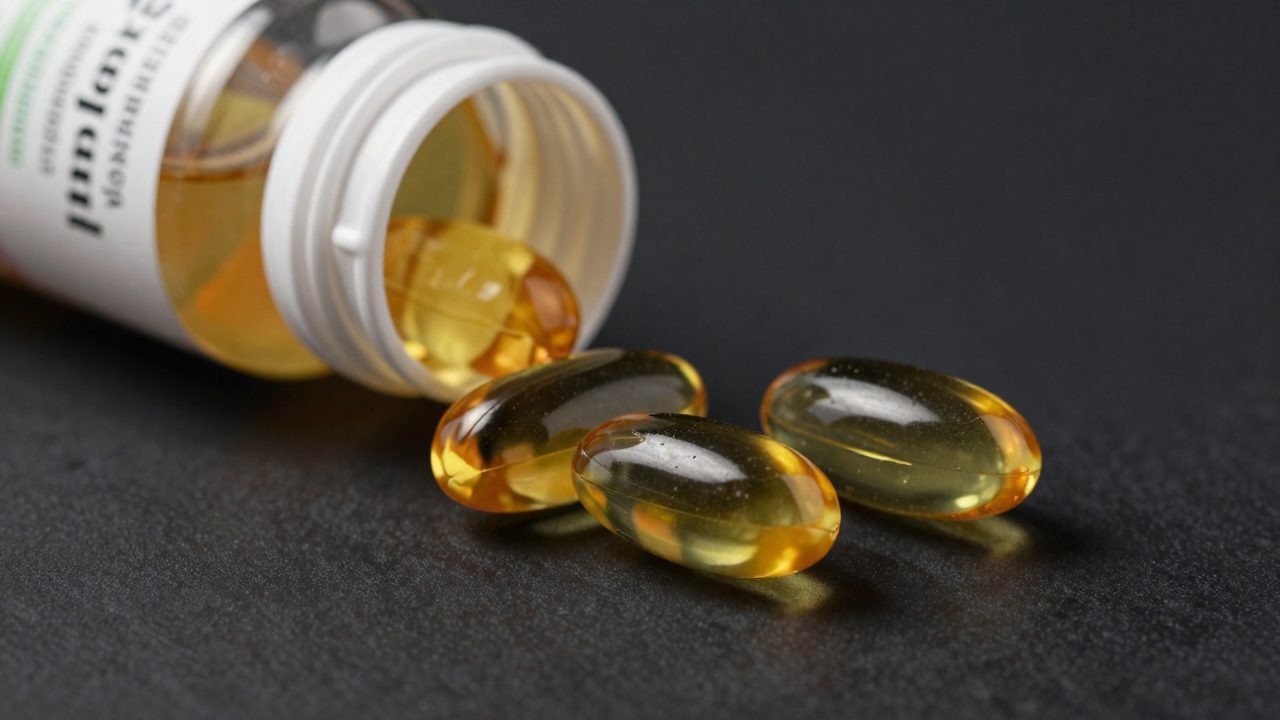
Royal jelly is a secretion produced by worker honey bees and is sold in the UK in capsules, tablets, ampoules, softgels, powders and fresh or freeze-dried preparations. A useful page about it should start with that plain description, rather than promising an outcome. The form of the ingredient, the amount per daily portion and the wider formula all vary substantially between brands. That means a product name alone is not enough to compare two tubs or bottles.
Read the front label, then the full label
Start by identifying the form. ‘Fresh’ royal jelly is not interchangeable with a dried powder, and a label that gives an amount of freeze-dried royal jelly is not necessarily giving the equivalent amount of fresh material. Look for the quantity per capsule, tablet, sachet or spoonful and the manufacturer’s stated daily serving. If a pack mentions an equivalence claim, note exactly what it compares; do not assume it is a clinical dose. Record the pack size too. A low shelf price can represent only a short supply, while a larger pack may have a different serving instruction.
The ingredients panel matters as much as the front. Royal jelly products can include honey, bee pollen, propolis, oils, gelatin, flavourings, sweeteners, capsule shells or other botanical extracts. These additions change whether the product is appropriate for a particular diet, allergy or preference. ‘Natural’ is not an allergy statement and ‘bee product’ is not a complete ingredient declaration. Read the allergen information and the full list, including any ‘may contain’ wording, each time a formula or pack design changes.
Allergy is the first safety question
Royal jelly is a bee-derived ingredient. People with a known allergy or previous reaction to bee products should not make a casual purchase on the assumption that a capsule is safer than a food-style preparation. The same caution applies where a label contains pollen or propolis. A history of asthma, severe allergy or unexplained reactions is a reason to speak with a pharmacist, doctor or allergy professional before using a bee-derived supplement. Urgent symptoms such as difficulty breathing, swelling of the face or throat, widespread hives, faintness or severe wheeze need urgent medical help; they are not a reason to experiment with a smaller serving.
Pregnancy, breastfeeding, childhood use and prescribed medicines are also situations where a product listing is not a substitute for individual advice. A retailer’s review score or a creator’s testimonial cannot establish suitability, interaction risk or safety for an individual. Keep the pack, lot number and receipt if a reaction occurs. That information is more useful to a clinician and to a manufacturer than a memory of a listing title.
How supplements are sold in the UK
Food supplements are regulated as foods rather than as medicines. A product may describe its ingredients and nutrition information, but a supplement should not be treated as a diagnosis, treatment or replacement for medical care. Be wary of pages that use vague benefit language without a precise, lawful nutrition or health claim. A long list of customer stories is not the same thing as evidence about a product, its dose or its safety. UK shoppers should favour a seller that identifies the responsible business, provides a complete ingredients list, gives a batch or lot reference and states storage and use instructions.
Royal jelly, pollen and propolis have a particular UK retail detail: HMRC guidance treats these bee products as standard-rated for VAT when sold as supplements in capsules, tablets or liquid form. That tax classification says nothing about effectiveness or quality, but it is a useful reminder that a ‘supplement’ label does not turn a product into a medicine. If a seller says a product is licensed to treat a condition, look for the relevant medicine authorisation rather than relying on marketing language.
Fresh, chilled and dried formats
Fresh royal jelly can be perishable. Follow the label’s temperature instruction from delivery onward and do not accept a chilled product that arrives warm, leaking or with damaged packaging. A freeze-dried powder or capsule usually has different storage instructions, but ‘shelf stable’ still does not mean indefinitely usable. Check the best-before date, seal condition and whether the product was stored away from heat and moisture. Do not decant a supplement into an unlabelled container: that separates it from its allergen, serving and batch information.
For online orders, read the dispatch and returns terms before buying. Supplements may be non-returnable once opened, and a marketplace listing can change seller or fulfilment route. Compare the exact pack photograph with the ingredients panel, but trust the printed label received over an old image. If they conflict, pause use and contact the responsible business. Counterfeit risk is reduced by buying from a traceable retailer, checking seals and avoiding listings with missing manufacturer details or implausibly sweeping claims.
A practical comparison checklist
- What form of royal jelly is it: fresh, dried, powder, capsule, tablet, liquid or blend?
- What amount is stated per serving, and how many servings does the pack contain?
- What other bee products, capsule materials, flavourings or botanicals are present?
- Are allergen wording, storage instructions, best-before date and a batch or lot number visible?
- Is the seller identifiable in the UK and able to answer a label or recall question?
- Does the advertising stay within food-supplement language rather than imply treatment?
That checklist is deliberately more useful than a ‘best supplement’ ranking. It lets a shopper compare like with like, identify an unsuitable ingredient before purchase and avoid overstating what a supplement can do. If the purpose is a symptom, a diagnosed condition or a concern about diet, the right next step is professional advice rather than selecting the strongest-looking label.