

As an Amazon Associate and eBay Partner, toptenpick.com earns from qualifying purchases. Prices and availability are subject to change.
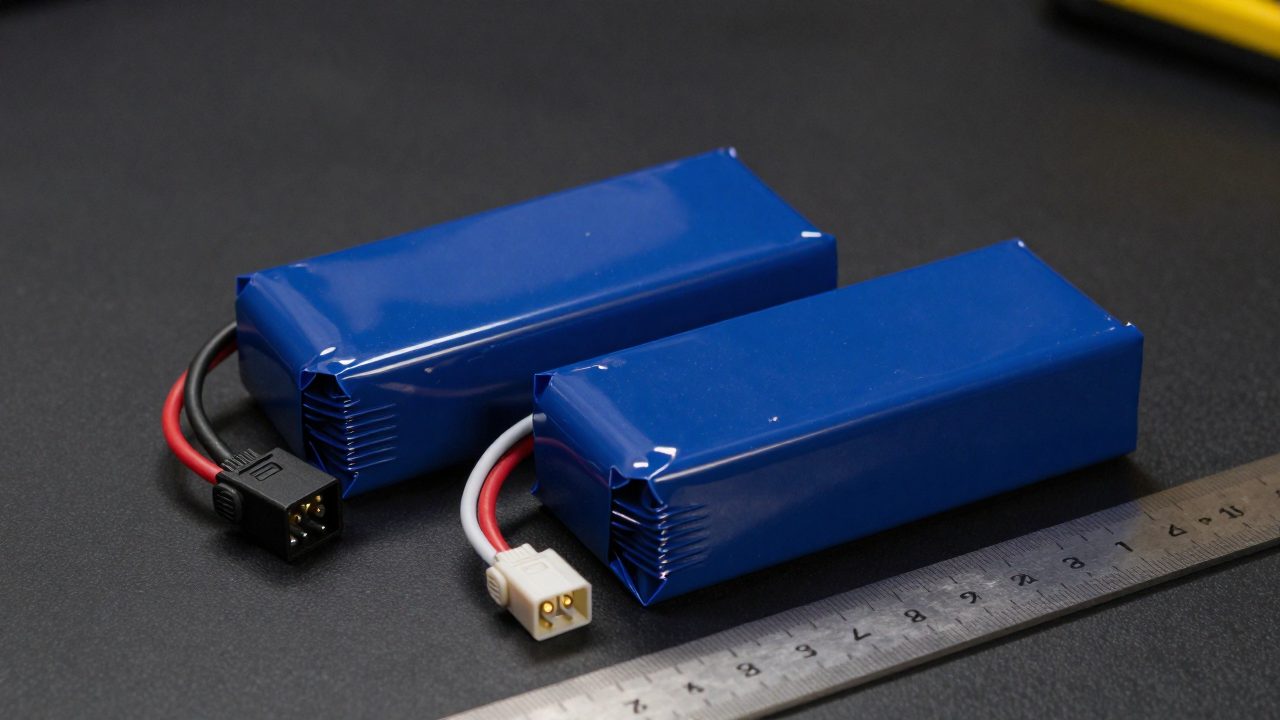
The Spartan runs two packs, not one, and that changes the buying question completely. The hull has integrated trays for a pair of batteries — commonly two 3S LiPos wired in series — and the single most important thing about that arrangement is that the two packs have to be matched: same capacity, same C rating, same connector, and ideally the same age and number of cycles. Two packs in series carry the same current whether they like it or not, so a weaker or older pack is dragged down by the stronger one and ends the run at a lower voltage. Do that repeatedly and you kill the weak pack, then it drags the good one down too. Buy them as a pair, charge them as a pair, retire them as a pair, and mark them so they always go back in together.
The second thing is that this is a boat, and a boat is a sealed box with no airflow in it. Traxxas fitted the Spartan with a water cooling system that picks up lake water and circulates it around the motor and ESC, which is an elegant answer to a real problem — and it introduces a failure mode that does not exist on land. A blocked or lifted pickup means no cooling at all, and the first sign is usually a very hot ESC and a shortened pack. Never run one out of the water for more than a few seconds, and check the pickup for weed after every session.
Heat is also why C rating matters here more than on a car. A LiPo that is being asked for more current than it likes heats up, and inside a sealed hull that heat has nowhere to go. A higher C rating is not about speed — it is about the pack staying cool enough to survive the run.
Then there is the part unique to boats: trim. Where the packs sit changes how the hull rides. Move the weight forward and the boat runs flatter and more stably; move it back and the bow lifts and it gets faster and twitchier, and eventually it blows over. Battery position is a tuning control on this model, not just a storage problem, so check the strap and tray positions before blaming the hull for handling badly.
Two safety points that are not optional with LiPo. Store at storage charge — around 3.8 V per cell — rather than full or empty, because a pack left fully charged for weeks loses capacity permanently. And charge in a fireproof bag or on a hard non-flammable surface, never unattended and never in the boat.
| # | Product | Price | Where to buy |
|---|---|---|---|
| 1 | Traxxas 3S 5000mAh 25C LiPo with iD | $90–$140 | Amazon · eBay |
| 2 | Matched Pair, 3S 5000mAh 50C Hard Case | $120–$200 | Amazon · eBay |
| 3 | 2S LiPo Pair (the gentler setup) | $60–$110 | Amazon · eBay |
| 4 | LiPo Balance Charger with Storage Mode | $60–$150 | Amazon · eBay |
| 5 | LiPo Safe Charging Bag or Case | $15–$40 | Amazon · eBay |
| 6 | Pack Voltage Checker / Low Voltage Alarm | $8–$20 | Amazon · eBay |
| 7 | Water Cooling Pickup and Line Kit | $12–$30 | Amazon · eBay |
| 8 | EC5 or High-Current Connectors | $12–$30 | Amazon · eBay |
| 9 | Hook and Loop Battery Straps | $8–$18 | Amazon · eBay |
| 10 | Single 6S Pack (do not — use two 3S) | $120–$220 | Amazon · eBay |
The picks, in detail

Traxxas 3S 5000mAh 25C LiPo with iD
The factory pack, and the argument for it is the iD connector system: the charger recognises the pack and sets cell count and charge rate automatically, which removes the commonest way people damage a LiPo. Two of these is the configuration the boat was designed around. They are not the highest C rating available and for most owners that is fine.
- 3S 11.1 V, 5000 mAh
- 25C discharge rating
- Traxxas iD auto-detect connector
- Sized for the Spartan trays
- iD system prevents charger mis-setting
- Guaranteed to fit the trays and hatch
- Widely available from Traxxas dealers
- Modest C rating for a sealed hull
- iD connector limits charger choice
- Premium price for the convenience

Matched Pair, 3S 5000mAh 50C Hard Case
The sensible upgrade and the reason is heat rather than speed. A 50C pack delivers the same current with less internal heating than a 25C one, and inside a sealed hull with only water cooling for the electronics, the pack’s own temperature is what limits the run. Buy two identical packs from the same batch and label them A and B so they always go back in as a pair.
- 3S 11.1 V, around 5000 mAh
- 50C or higher discharge rating
- Hard case construction
- Sold individually — buy two matched
- Runs cooler than a low-C pack at the same load
- Hard case protects against hull knocks
- Longer useful life at this duty
- Must be bought and retired as a matched pair
- Heavier than a soft-case pack of the same capacity
- Check the case dimensions against the tray

2S LiPo Pair (the gentler setup)
Worth knowing about because the Spartan accepts two 2S packs as well as two 3S. That is a slower, cooler, longer-running configuration, and it is the right choice for a new driver, for a small lake where top speed is irrelevant, and for anyone who has already had a blowover. Less strain on the drivetrain, less heat, and considerably cheaper packs.
- 2S 7.4 V packs, run as a pair
- Lower total voltage and speed
- Cooler running
- Cheaper than 3S
- Much easier to handle for a new driver
- Runs noticeably cooler in a sealed hull
- Cheaper packs and longer life
- Substantially slower
- Less exciting once you have driven it on 3S
- Still needs to be a matched pair

LiPo Balance Charger with Storage Mode
The piece of equipment that decides how long your packs last, and the storage function is the part people ignore. A LiPo left at full charge degrades measurably within weeks, and a charger with a storage mode brings a pack to roughly 3.8 V per cell with one button. Balance charging also keeps the cells within a pack level, which is the internal version of the matched-pair problem.
- Balance charging across individual cells
- Storage mode to around 3.8 V per cell
- Multiple chemistry support
- Dual-port models charge a pair at once
- Storage mode alone extends pack life substantially
- Balances cells, preventing internal mismatch
- Dual-port models suit a two-pack boat
- Good chargers are not cheap
- Needs a separate power supply on some models
- Traxxas iD packs need a compatible charger for auto-detect
LiPo Safe Charging Bag or Case
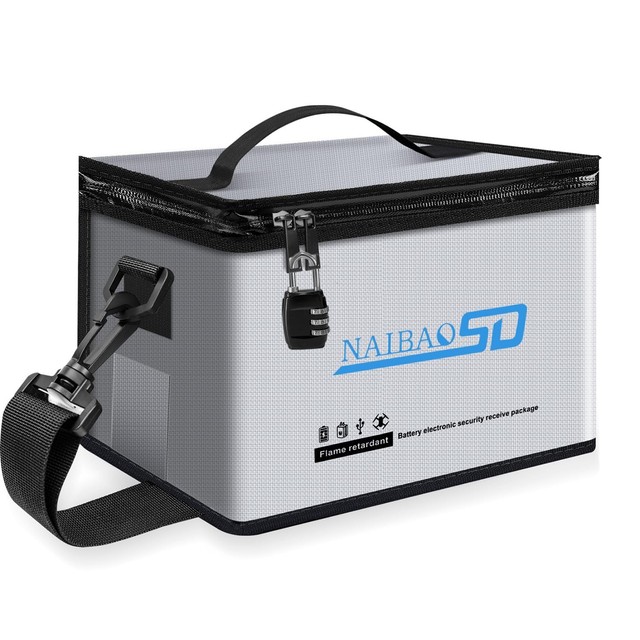
Cheap, and the one accessory nobody should skip. A LiPo failure is a fire rather than a puff of smoke, and a fire-resistant bag or an ammo-can style case contains it. Charge on a hard non-flammable surface, in the bag, never in the boat, and never unattended. This is a five-pound purchase against a category of risk that occasionally burns houses down.
- Fire-resistant fibreglass or metal construction
- Sized for two packs
- Bag and hard-case versions
- Vents on better designs
- Contains the failure mode this chemistry actually has
- Very cheap
- Also sensible for storage and transport
- Bags are not fireproof, only fire-resistant
- No substitute for supervising the charge
- Takes up bench space

Pack Voltage Checker / Low Voltage Alarm
A two-pound device that plugs into the balance lead and shows per-cell voltage instantly. Its real value on this boat is diagnosing the matched-pair problem: check both packs after a run, and if one is consistently lower than the other, they have drifted and the weaker one is being over-discharged every time you run. That is exactly the measurement that tells you to retire the pair.
- Plugs into the balance connector
- Displays per-cell and total voltage
- Alarm versions buzz at a set threshold
- Pocket sized
- Catches pack mismatch before it kills a battery
- Instant check without a charger
- Costs almost nothing
- Alarm versions are useless in a boat you cannot hear
- Cheap units drift in accuracy
- Easy to lose

Water Cooling Pickup and Line Kit
Directly relevant to battery life on this model. The Spartan cools its motor and ESC with lake water drawn through a pickup at the transom, and a blocked pickup or a split silicone line means no cooling at all — which shows up as a hot ESC, a hot pack and a shortened run. Spare line and a clean pickup are cheap insurance, and weed is the usual culprit.
- Replacement silicone cooling line
- Transom pickup fitting
- Clips and barbs included in kits
- Model-specific and universal options
- Restores the cooling the electronics depend on
- Cheap and quick to replace
- Spare line is worth carrying to the lake
- Does nothing if the pickup is blocked rather than the line
- Silicone perishes and needs periodic replacement
- Requires removing the hatch to access

EC5 or High-Current Connectors
Connectors are the part of the current path people forget, and in a two-pack series setup there are more joints than usual. Undersized or worn connectors heat up, waste voltage as heat, and in the worst case melt. If you are standardising a fleet of packs, pick one high-current connector family and convert everything to it — mixed connectors are also how people accidentally reverse polarity.
- High-current bullet-in-housing design
- Common families include EC5 and similar
- Sold as matched pairs with heat shrink
- Rated well above typical boat currents
- Lower resistance than small legacy connectors
- Standardising prevents adapter chains
- Polarised housings prevent reversal
- Requires soldering heavy gauge wire properly
- Converting a fleet of packs is tedious
- Adapters undo the benefit

Hook and Loop Battery Straps
Trim is a tuning control on this hull, and a pack that slides is a hull that changes its handling mid-run. Good straps hold the packs exactly where you positioned them, which matters because moving weight forward settles the boat and moving it back lifts the bow toward a blowover. Replace the originals when they lose grip — they are consumables and they are the cheapest part in the boat.
- Reinforced hook and loop straps
- Various lengths for different packs
- Non-slip backing on better versions
- Sold in pairs
- Keeps the trim setting you chose
- Prevents packs shifting under hard turns
- A couple of pounds
- Lose grip when wet and sandy
- Stretch over time
- Cheap straps let go under load

Single 6S Pack (do not — use two 3S)
Named because it seems obvious and it is the wrong approach on this hull. The Spartan’s trays and hatch are designed around two packs, and a single 6S brick of the same total capacity is a different shape, sits in one place rather than two, and takes away your ability to trim the boat by moving weight. It also puts all your eggs in one connector and one balance lead. Two matched 3S packs is the configuration the boat was built for.
- 6S 22.2 V single pack
- Same nominal voltage as two 3S in series
- Single large hard case
- One connector and one balance lead
- One pack to charge instead of two
- Does not match the hull’s twin-tray layout
- Removes the ability to trim the boat with battery position
- Hatch and tray clearance needs verifying before buying
Buying tips
- Buy packs as a matched pair and keep them together. Two packs in series carry the same current, so a weaker or older one is dragged down every run until it dies and takes the good one with it.
- Label the packs A and B and always charge and run them together. Mixing packs from different pairs is how a matched set stops being matched.
- Check per-cell voltage on both packs after a run. If one is consistently lower, they have drifted and the weak one is being over-discharged — that is the signal to retire the pair.
- Prioritise C rating for heat, not speed. Inside a sealed hull the pack’s own temperature is what limits the run, and a higher C rating simply heats less at the same load.
- Never run the boat out of the water for more than a few seconds. The motor and ESC are water cooled from a transom pickup, and on dry land there is no cooling at all.
- Check the cooling pickup for weed after every session, and carry spare silicone line. A blocked pickup presents as a hot ESC and a short run, which people blame on the battery.
- Use battery position to trim the hull. Weight forward settles it and runs flatter; weight back lifts the bow toward a blowover — this is a tuning control, not just storage.
- Store at around 3.8 V per cell and charge in a fire-resistant bag on a hard surface, never unattended and never inside the boat. A pack left fully charged for weeks loses capacity permanently.
As an Amazon Associate and eBay Partner, toptenpick.com earns from qualifying purchases. Prices and availability are subject to change.