

The Fender Hot Rod Deluxe is a hugely popular gigging amp, but a few well-known mods transform its stock tone from ‘good’ to ‘great’ — taming the harsh treble, smoothing the drive channel, and adding warmth. Here are the best Hot Rod Deluxe mods, ranked by bang for the buck.
Biggest improvement: swap the speaker
The single mod that makes the biggest difference is replacing the stock speaker. Popular upgrades include the Celestion Vintage 30 (tight, aggressive), Celestion G12M-65 Creamback (woody lows, smooth top end), and WGS Veteran 30 or ET-65. A better speaker instantly adds warmth and richness and tames the stock harshness — and it’s reversible.
Easy tone shaping: change the preamp tubes
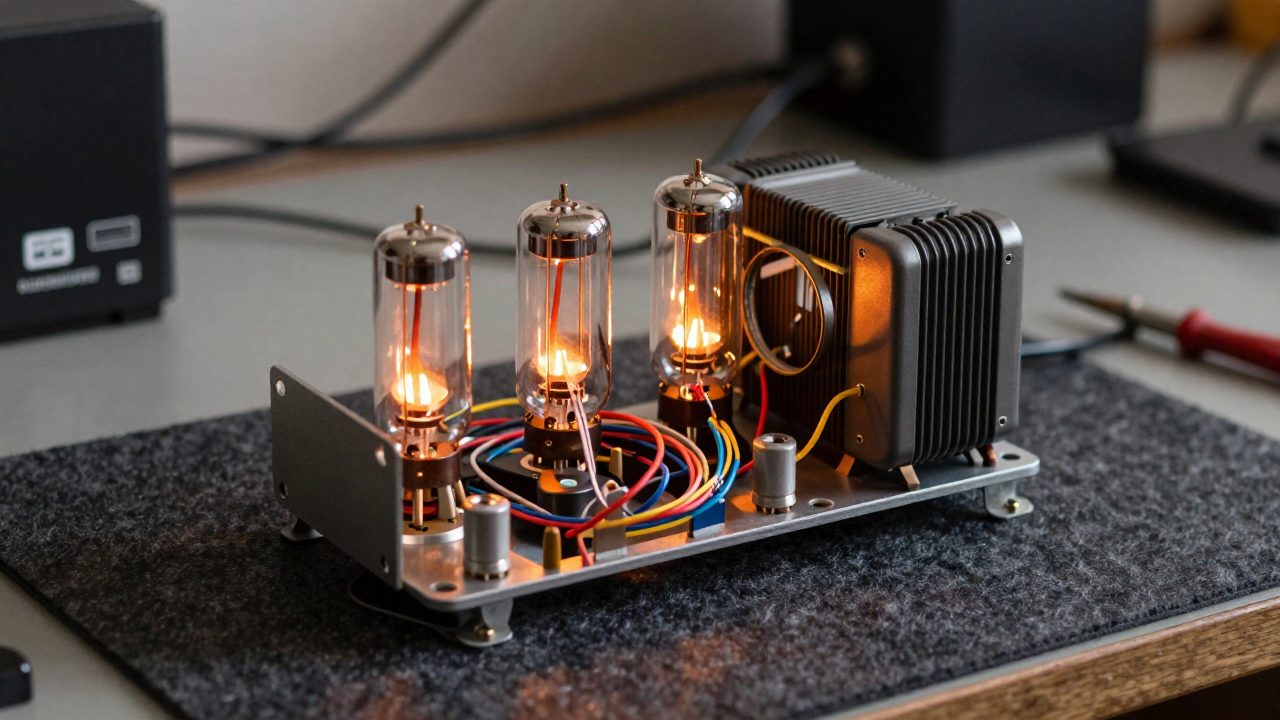
The V1 preamp tube has the most effect on tone. Swapping the stock 12AX7 in V1 for a lower-gain 12AT7 (or even 12AY7/12AU7) reduces gain and harshness for a smoother, more touch-sensitive response. It’s a cheap, plug-and-play experiment with no soldering required.
Power tubes and feel
The amp ships with a pair of 6L6 power tubes; trying different 6L6 brands changes feel and headroom. More adventurous players install 6V6 power tubes for lower output and earlier breakup — but that requires re-biasing and should be done by a tech.
Circuit mods (for a tech)
- Tone stack mods — reworking the tone-stack and coupling caps is the second-biggest tonal change after the speaker, smoothing the highs and fattening the mids.
- Drive-channel mods — upgrading plate/cathode resistors, cathode bypass and coupling caps, and screen resistors cleans up the famously fizzy overdrive channel.
- Filter/power-supply caps — refreshing these tightens the low end and improves reliability on older amps.
How to prioritize
- Start here (DIY, reversible): a new speaker, then a V1 tube swap.
- Next: a quality set of power tubes (and a proper bias).
- For the drive channel: have a tech do the tone-stack and coupling-cap mods — the classic ‘Bill M’ style mods are well documented.
- Always let a qualified tech handle internal work: tube amps store lethal voltages in their capacitors even when unplugged.