

As an Amazon Associate and eBay Partner, toptenpick.com earns from qualifying purchases. Prices and availability are subject to change.
The i7-7700K is still fast clock-for-clock — 4.2GHz base, boosting past 4.5GHz across all four cores — and that number is what usually gets quoted. What’s aged is the rest of the spec: four cores and eight threads. Modern game engines increasingly spread physics, streaming, and background work across more threads than that, and a 4c/8t chip runs out of threads to hand work to well before a six- or eight-core chip does. The symptom rarely looks like a low average frame rate; a 7700K can still post a perfectly respectable average in a benchmark chart. What it does show up as is inconsistent frame timing — stutter, and weaker 1% lows — even while the on-screen average looks fine.
That distinction matters for this purchase specifically: a bigger, faster GPU raises the average frame rate, but it does very little for the stutter, because the bottleneck sits in CPU thread scheduling, not GPU throughput. Past a certain point on this platform, a more expensive card is mostly buying frames the CPU can’t deliver consistently anyway.
The other thing this generation is known for is heat. Intel used ordinary thermal paste under the heat spreader on 7th-gen desktop chips instead of the solder used on earlier generations like Sandy Bridge — a cost-cutting change, not a performance one — and it shows: delidding and repasting these chips with liquid metal is well documented to drop load temperatures by roughly 20°C. Whatever cooler shipped with a 2017-era build is unlikely to keep a still-boosting 7700K comfortable next to a modern, hotter-running GPU, so treat a cooler upgrade as part of this purchase, not an afterthought.
The practical takeaway: aim for a solid mid-range card this CPU can actually keep fed at 1080p rather than the biggest one on the shelf, and put the difference into that cooler, plus RAM or an SSD if either is still original-spec. 2026’s memory-driven GPU shortage has also pushed new entry-level card prices up, which makes a well-priced used card from the last couple of generations a genuinely competitive option — just buy from a seller with a real return policy.
One platform note, since a previous guide here covered a Z77 (i5-3570K) build: this CPU’s Z270 chipset doesn’t have that board’s PCIe lane-count problem, and a handful of Z270 boards even picked up a beta Resizable BAR BIOS update — something Z77 almost never got. Support is inconsistent enough not to assume, so check your specific motherboard before counting on it, especially before buying an Intel Arc card.
| # | Product | Price | Where to buy |
|---|---|---|---|
| 1 | Nvidia GeForce RTX 4060 8GB | $290–$340 | Amazon · eBay |
| 2 | Nvidia GeForce RTX 5060 8GB | $340–$400 | Amazon · eBay |
| 3 | AMD Radeon RX 7600 8GB | $250–$300 | Amazon · eBay |
| 4 | AMD Radeon RX 7600 XT 16GB | $380–$470 | Amazon · eBay |
| 5 | Intel Arc B580 12GB | $270–$310 | Amazon · eBay |
| 6 | Nvidia GeForce RTX 3060 12GB | $330–$420 | Amazon · eBay |
| 7 | AMD Radeon RX 6650 XT | $220–$270 | Amazon · eBay |
| 8 | AMD Radeon RX 6600 | $180–$230 | Amazon · eBay |
| 9 | Nvidia GeForce GTX 1660 Super (used) | $85–$110 (used) | Amazon · eBay |
| 10 | Nvidia GeForce RTX 4060 Ti 8GB | $380–$430 | Amazon · eBay |
The picks, in detail

Nvidia GeForce RTX 4060 8GB
Nvidia’s current-generation budget-tier Ada Lovelace card, efficient enough to be gentle on an aging PSU and strong enough to hold solid 1080p frame rates without exceeding what a 4c/8t CPU can consistently feed it. DLSS 3 frame generation helps in supported titles, though frame generation still needs a stable base frame rate to look right — exactly what this platform can struggle to hold in busy, CPU-heavy scenes.
- 8GB GDDR6 memory
- Ada Lovelace architecture
- 115W typical board power
- DLSS 3 frame generation
- Efficient enough for an older PSU without an upgrade
- Matches 1080p output this CPU can realistically sustain
- DLSS upscaling extends life in less demanding titles
- Frame generation needs a decent base frame rate the CPU sometimes can’t provide
- 8GB VRAM is on the low side for long-term headroom
- Priced above its 2023 launch level amid the 2026 memory shortage
Nvidia GeForce RTX 5060 8GB
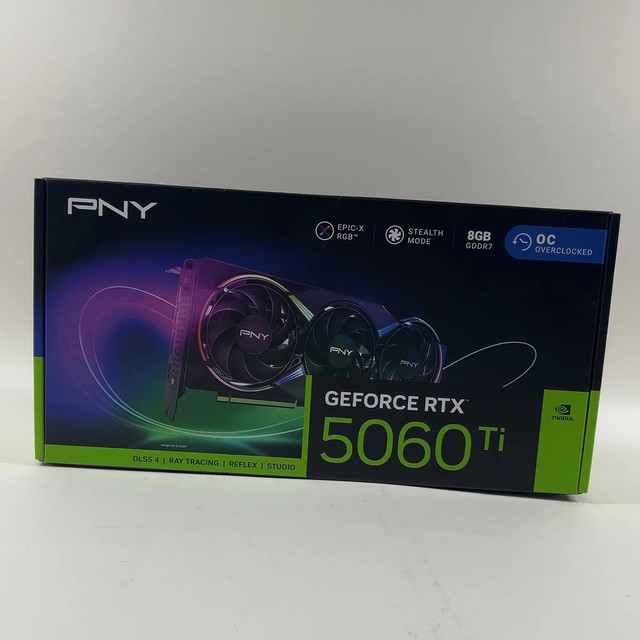
The newer Blackwell-generation replacement for the 4060, with faster GDDR7 memory and DLSS 4, aimed at the same 1080p tier. It’s a modest generational step rather than a leap, so it’s worth buying only if the 4060 isn’t available near its usual price — otherwise you’re paying a premium for an architecture edge this CPU won’t fully expose anyway.
- 8GB GDDR7 memory
- Blackwell architecture
- ~145W typical board power
- DLSS 4 upscaling and frame generation
- Newer architecture with better memory bandwidth per GB
- DLSS 4 upscaling ecosystem
- Comfortably covers 1080p at settings this CPU can sustain
- Costs noticeably more than the RTX 4060 for a modest gain here
- Still only 8GB of VRAM
- 2026 memory-shortage pricing has made street prices inconsistent
AMD Radeon RX 7600 8GB
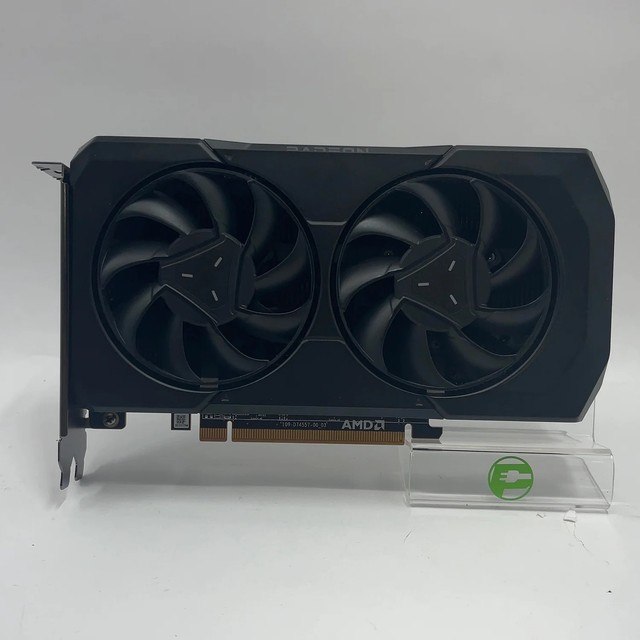
A budget RDNA 3 card that undercuts Nvidia’s equivalent tier on price while holding its own in straightforward rasterized 1080p gaming, which is most of what this CPU pairing is realistically used for. It’s a sensible way to avoid overpaying for GPU headroom a 4c/8t chip can’t turn into smoother frame times.
- 8GB GDDR6 memory
- RDNA 3 architecture
- 165W typical board power
- single 8-pin power connector
- Lower price than the RTX 4060 for similar 1080p raster performance
- Frees up budget for the cooler upgrade this CPU needs
- Straightforward, no-frills 1080p performance
- Weaker ray tracing and upscaling than Nvidia’s rivals
- 8GB VRAM ceiling
- No frame-generation feature as mature as DLSS 3
AMD Radeon RX 7600 XT 16GB
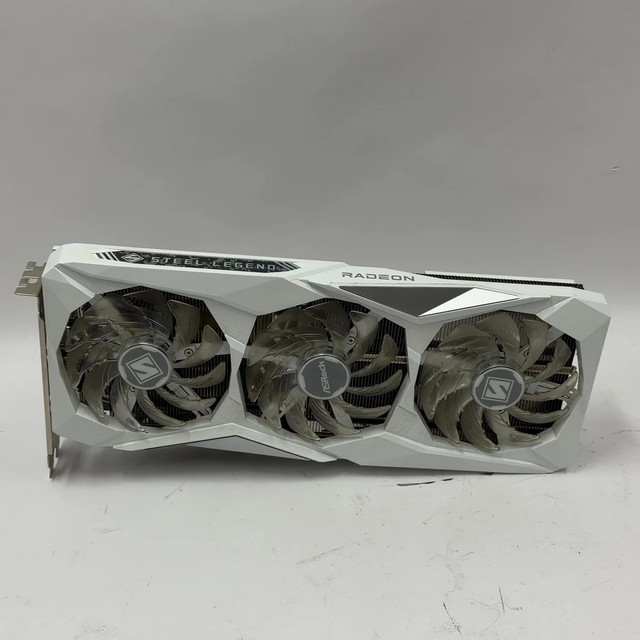
The same core GPU as the RX 7600 with double the VRAM, useful if you want texture headroom in newer titles even though this CPU limits how far the frame rate itself will climb. 2026’s GDDR memory shortage has pushed 16GB cards up in price more than 8GB ones, so it’s worth cross-shopping before assuming it’s the better deal.
- 16GB GDDR6 memory
- RDNA 3 architecture
- 190W typical board power
- dual 8-pin power connectors
- Extra VRAM headroom versus most cards in this tier
- Useful for texture-heavy modern titles at 1080p
- Still within what this CPU can meaningfully feed
- Priced close to mid-range cards due to 2026 memory costs
- Higher power draw than the plain RX 7600
- Performance gain over the RX 7600 doesn’t match the price gap

Intel Arc B580 12GB
Intel’s Battlemage-generation card leads this price tier on VRAM and holds up well in rasterized 1080p and 1440p titles, but it leans harder on Resizable BAR than Nvidia or AMD cards do, and Intel’s own guidance points toward 10th-gen-or-newer platforms for reliable support. Check your specific Z270 board’s BIOS history before buying — coverage on this generation is real but inconsistent.
- 12GB GDDR6 memory
- Battlemage (Xe2) architecture
- ~190W typical board power
- requires Resizable BAR for rated performance
- 12GB of VRAM well ahead of the price tier
- Strong 1080p/1440p rasterization for the money
- Good value on paper against Nvidia and AMD equivalents
- Performance drops meaningfully without Resizable BAR enabled, which isn’t guaranteed on a 7th-gen platform
- Driver overhead can matter more on an already thread-limited CPU
- Newer to market, with less long-term reliability history than its rivals

Nvidia GeForce RTX 3060 12GB
Nvidia relaunched this 2021 card into new production in 2026 as part of its response to the memory shortage, and it remains a sensible, mature choice with more VRAM than most cards near its price. It won’t do frame generation, but drivers are fully baked and game compatibility is about as safe a bet as this list offers.
- 12GB GDDR6 memory
- Ampere architecture
- 170W typical board power
- single 8-pin power connector
- 12GB of VRAM well beyond this tier’s usual allocation
- Mature, well-tested drivers and broad game support
- Available both new (relaunched) and used
- Older architecture with no frame generation
- Relaunch pricing has been volatile, sometimes above newer competing cards
- Used copies vary widely in condition and mining history

AMD Radeon RX 6650 XT
A previous-generation RDNA 2 card that still performs well at 1080p and is frequently the cheapest way to that performance level as newer stock pushes it toward clearance. A solid pick for this build specifically, since it won’t tempt you into overspending on headroom the CPU can’t use.
- 8GB GDDR6 memory
- RDNA 2 architecture
- 180W typical board power
- dual 8-pin power connectors
- Strong 1080p performance per dollar as older stock clears
- Power draw comfortably within older PSUs
- Frequently discounted versus newer equivalents
- No upscaling ecosystem as broad as Nvidia’s DLSS
- 8GB VRAM ceiling
- Ray tracing performance is weak
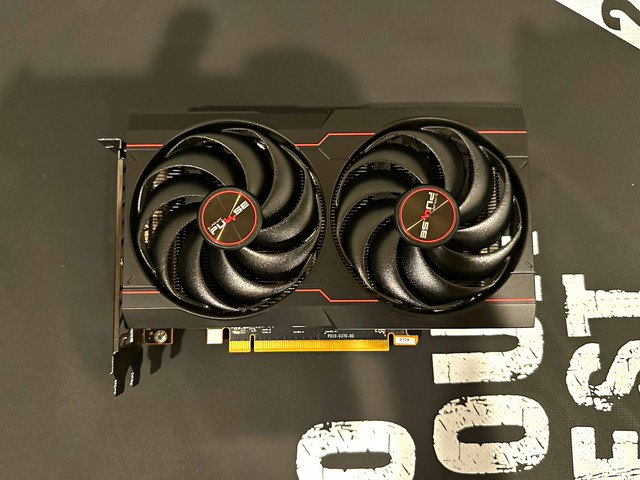
AMD Radeon RX 6600
An efficient entry-level RDNA 2 card that matches what a 4c/8t CPU can realistically push at 1080p medium-to-high settings, without spending money on performance the platform can’t consistently deliver. It’s a deliberately modest pick for a platform that’s better served by putting the savings into cooling.
- 8GB GDDR6 memory
- RDNA 2 architecture
- 132W typical board power
- single 8-pin power connector
- Low price for genuinely usable 1080p performance
- Efficient enough for a modest, older PSU
- Leaves the most budget for the cooler upgrade this CPU needs
- Starts to show its limits at 1440p
- Weak ray tracing
- Older architecture with no frame generation

Nvidia GeForce GTX 1660 Super (used)
No ray tracing and no DLSS, but this Turing-era card is cheap on the used market and still handles 1080p reasonably in less demanding titles. A fitting budget pick if the actual goal is smoother 1% lows rather than maximum settings, since it costs little enough to leave real money for a cooler.
- 6GB GDDR6 memory
- Turing architecture (no RT cores)
- 125W typical board power
- single 8-pin power connector
- Very inexpensive on the used market
- Low power draw suits an older, untouched PSU
- Enough for 1080p at medium-high settings in most titles
- No ray tracing or DLSS support
- Only 6GB of VRAM
- Buying used means no warranty and variable wear

Nvidia GeForce RTX 4060 Ti 8GB
The practical ceiling for this platform — it pushes higher 1080p frame rates and holds up better at 1440p than anything else on this list, but only makes sense once you accept the 7700K will hold it back in the busiest CPU-heavy scenes. Best suited to someone planning a CPU or platform upgrade down the line who doesn’t want to also replace the GPU at that point.
- 8GB GDDR6 memory
- Ada Lovelace architecture
- 160W typical board power
- DLSS 3 support
- Meaningful step up in raw performance over the rest of this list
- Reusable once the CPU or platform is eventually upgraded
- Efficient for its performance tier
- The 7700K will bottleneck it in CPU-heavy scenes, wasting some performance today
- Priced above the sweet spot for this specific platform
- 8GB VRAM limits its own longevity separately from the CPU issue
Buying tips
- Budget for a cooler upgrade alongside the GPU — the 7700K uses thermal paste under its heat spreader, not solder, and a 2017-era stock or bargain tower cooler is unlikely to keep it cool under a modern GPU’s heat and power draw.
- Don’t chase the single biggest card on the shelf; a mid-range GPU paired with a good cooler and healthy RAM or an SSD will feel better day to day than a flagship card this CPU can’t consistently feed.
- Check your specific Z270 motherboard’s support page for a beta Resizable BAR BIOS before buying an Intel Arc card — coverage is inconsistent, and Arc depends on it more heavily than Nvidia or AMD cards do.
- Close background apps and browser tabs before gaming; with only eight threads total, an idle overlay or a dozen open tabs eats into headroom the game’s own worker threads need.
- When comparing benchmarks for this build, weigh 1% lows and frame-time graphs more heavily than the average FPS number — the average won’t tell you what stutter you’ll actually feel.
- If buying used, stick to sellers with clear return policies and recent feedback; 2026’s memory-driven price increases on new entry-level cards have made used last-generation GPUs a genuinely competitive option.
- Confirm your PSU has the connectors the card needs — a single 8-pin covers most picks here — and that its rated wattage has headroom left after years of capacitor aging.
- Don’t pay extra for ray tracing on this platform; a CPU this thread-limited constrains ray-traced titles even harder than rasterized ones, so raw rasterization performance per dollar matters more here.
As an Amazon Associate and eBay Partner, toptenpick.com earns from qualifying purchases. Prices and availability are subject to change.