

As an Amazon Associate and eBay Partner, toptenpick.com earns from qualifying purchases. Prices and availability are subject to change.
The thing that trips up most classical players buying their first amp is assuming any “guitar amp” will do. A nylon-string guitar fitted with a piezo pickup, or picked up by a small clip-on microphone, needs a flat, full-range amplifier that reproduces what the pickup actually captures. An electric guitar amp is voiced the opposite way — with a pushed midrange and a rolled-off top end built to flatter a magnetic pickup and a solid or semi-hollow body. Run a piezo through that voicing and you get the “honky” or “quacking” tone classical players often blame on the pickup itself, when it’s really the amp doing exactly what it was built to do — for a different instrument.
The second issue is feedback, and it’s a bigger problem for a classical guitar than for almost anything else you’d plug in. The hollow, resonant soundbox that gives a nylon-string guitar its tone is also a chamber that happily resonates with whatever frequency the amp pushes back at it, and at real performance volume that turns into a howl. That’s why acoustic amps carry features electric amps rarely bother with — a dedicated anti-feedback button, a sweepable notch filter, or a full graphic EQ per channel — and why those features matter here more than raw wattage.
Power and format matter too, just less than voicing. A 30-watt battery-powered combo is plenty for practice or a small unplugged gig; a 100- to 180-watt two-speaker amp is what you need to fill a real room or hold up next to a singer. Whether you use a pickup or a microphone also decides the input you need — a piezo wants a standard instrument jack, while a mic wants an XLR input with phantom power, and several amps below only do one of those well.
This list runs from affordable practice combos to the boutique amps that classical and flamenco players reach for on stage, with the tradeoffs — power, portability, price, and how dedicated the “acoustic” voicing actually is — spelled out for each.
One buying habit worth adopting regardless of budget: bring your own guitar and pickup to try before you buy, if a shop lets you. A piezo’s peaks and a mic’s proximity response vary enough guitar to guitar that a demo unit tuned for someone else’s instrument can sound noticeably different through yours.
| # | Product | Price | Where to buy |
|---|---|---|---|
| 1 | AER Compact 60 | $900–$1,000 | Amazon · eBay |
| 2 | Fishman Loudbox Artist | $580–$650 | Amazon · eBay |
| 3 | Fishman Loudbox Mini | $330–$380 | Amazon · eBay |
| 4 | Roland AC-33 | $300–$600 | Amazon · eBay |
| 5 | Yamaha THR30IIA Wireless | $450–$650 | Amazon · eBay |
| 6 | Boss Acoustic Singer Live | $450–$500 | Amazon · eBay |
| 7 | Behringer Ultracoustic ACX1800 | $300–$400 | Amazon · eBay |
| 8 | Marshall AS50D | $430–$460 | Amazon · eBay |
| 9 | Schertler Giulia | $500–$700 | Amazon · eBay |
| 10 | Fender Acoustic 100 | $400–$420 | Amazon · eBay |
The picks, in detail
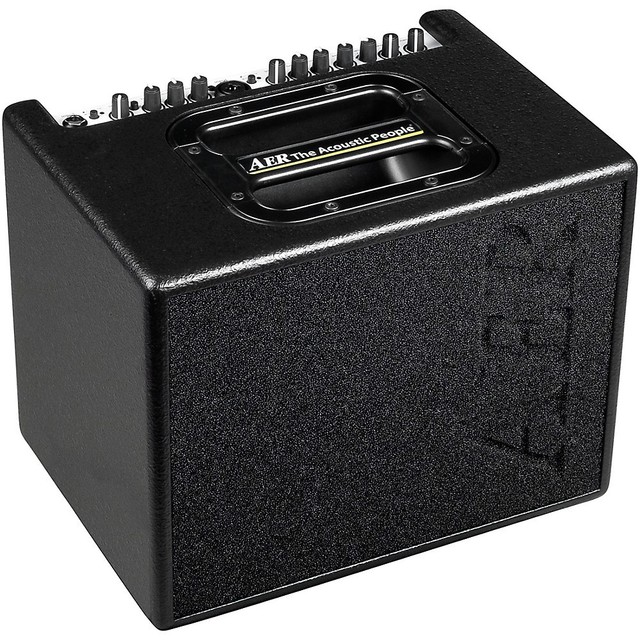
AER Compact 60
A compact 60-watt, bi-amped combo that’s become the reference point classical and flamenco players compare everything else to, thanks to a clean, uncolored reproduction of whatever the pickup sends it. It’s aimed at players who prioritize natural, unhyped tone over raw power, extra channels, or built-in effects, and can justify the premium for that reputation.
- 60W bi-amped output (woofer + tweeter)
- Acoustic-voiced preamp for nylon and steel-string instruments
- Compact, portable cabinet
- Onboard notch and natural tone controls
- Widely regarded as one of the most natural-sounding acoustic amps available
- Compact and light for its output
- Simple control set makes feedback control fast on stage
- Significantly more expensive than most amps on this list
- Only one instrument input on base models, limited for vocal or looper use

Fishman Loudbox Artist
A 120-watt two-channel combo with a dedicated XLR mic input and phantom power, built to cover a real room rather than just a practice space. It suits gigging classical or flamenco players, and teachers who also mic a second instrument or their own voice, and who need clean headroom for a few hundred seats.
- 120W output
- Two channels: instrument plus XLR mic with phantom power
- Reverb and chorus effects
- Bluetooth audio streaming
- Enough headroom for a few hundred seats without breaking up
- Dedicated mic channel suits players who mic rather than pickup
- Bluetooth and effects add versatility for lessons and practice
- Heavier and bulkier than compact practice amps
- More power than most bedroom or small-room buyers will ever use

Fishman Loudbox Mini
The smaller sibling to the Loudbox Artist, at 60 watts in a lighter single-speaker cabinet with the same two-channel layout. It’s built for players who want the same general Fishman voicing family for a fraction of the price and don’t need to fill a large room, church hall, or theater-sized venue.
- 60W output
- Two channels: instrument plus mic/aux
- Reverb and chorus effects
- Compact single-speaker cabinet with tweeter
- Much more affordable than the Loudbox Artist
- Light enough to carry to lessons or small gigs
- Simple two-knob-per-channel layout
- Less headroom than the Artist for a full room
- No Bluetooth or effects loop on the standard (non-Charged) version

Roland AC-33
A battery-or-AC-powered 30-watt stereo combo built specifically for acoustic instruments, with a built-in anti-feedback function and a 40-second phrase looper. It’s aimed at players who want genuine portability for outdoor markets, busking, weddings, or unplugged gigs where a wall outlet isn’t guaranteed, and who value the looper as a practice tool between sets.
- 30W (15W + 15W) true stereo output
- Guitar and mic/line channels
- Runs on AC power or 8 AA batteries
- Built-in anti-feedback function and 40-second phrase looper
- Battery operation makes it genuinely portable for outdoor gigs
- Built-in anti-feedback tool directly addresses a classical body’s feedback tendency
- Looper is a useful practice tool
- 30W stereo struggles to compete with a loud band or fill a large room
- New pricing is high for the power on offer, though used units are common
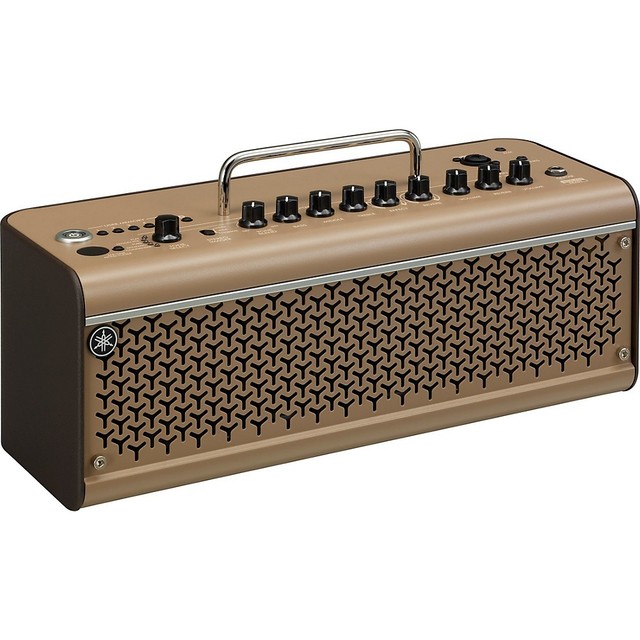
Yamaha THR30IIA Wireless
A 30-watt desktop modeling amp with a dedicated nylon-string voicing mode as well as a flat setting, plus a built-in USB audio interface for recording straight into a computer. It’s built for practice, home recording, and desktop use in an apartment or studio corner rather than gigging a full room.
- 30W desktop modeling amp
- Dedicated nylon guitar voicing plus flat mode
- Built-in wireless receiver (transmitter sold separately)
- USB audio interface and mic input
- Purpose-built nylon voicing removes the guesswork of dialing in a flat response
- Doubles as a USB audio interface for recording
- Desktop size fits practice spaces where a full combo doesn’t
- Small drivers and 30W make it a practice amp, not something to gig a room with
- The wireless transmitter needed for cable-free use is sold separately
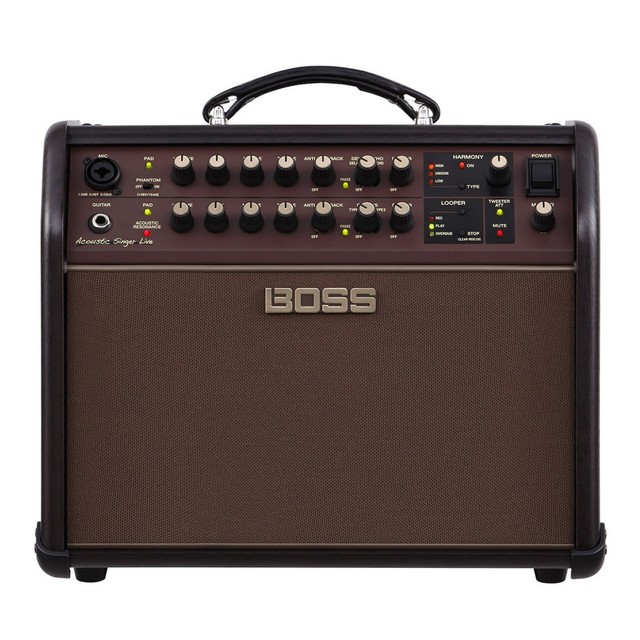
Boss Acoustic Singer Live
A 60-watt combo built for the guitar-plus-vocal setup, with an XLR mic channel carrying harmony and reverb effects alongside a separate instrument channel that stays clean and undistorted. It suits a classical player who also sings, teaches lessons, or regularly accompanies a vocalist and wants both signals handled well by a single amp.
- 60W output
- Two channels: instrument plus XLR mic with phantom power
- Reverb, chorus, and vocal harmony effects
- Built-in anti-feedback processing
- Covers a classical player who also sings or teaches
- Anti-feedback processing is aimed squarely at the hollow-body feedback problem
- Effects are tailored to acoustic and vocal use rather than electric guitar
- Bulkier than the compact practice amps on this list
- Harmony and vocal effects add cost a solo instrumentalist won’t use
Behringer Ultracoustic ACX1800
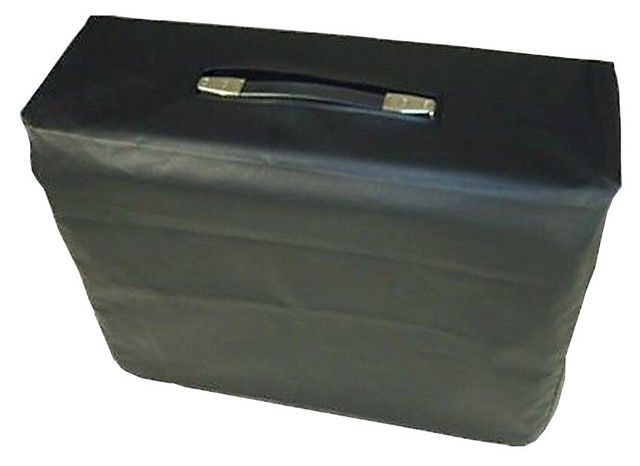
A 180-watt, two-speaker stereo combo with dual effects processors and a full graphic EQ per channel, aimed at buyers who want the most raw output for the least money. It works best in the hands of someone willing to spend time EQing a piezo’s rough edges out rather than plugging in and expecting a polished tone right away.
- 180W output, two 8″ speakers
- Two-channel stereo with dual FX processors
- 9-band graphic EQ per channel
- FBQ feedback detection system
- By far the most power per dollar on this list
- FBQ feedback detection is a real tool against the classical body’s feedback tendency
- Graphic EQ per channel lets you flatten a piezo’s peaks manually
- Voicing and build quality are a clear step below the AER, Fishman, and Roland tier, and can sound harsh without careful EQ
- Availability has thinned at some major retailers, so check stock before counting on it

Marshall AS50D
A 50-watt, two-speaker combo with a phantom-powered mic channel and a built-in anti-feedback notch filter, from a brand better known for electric amps but built here specifically for acoustic instruments. It suits a player who wants a proven, widely serviced amp from a familiar name rather than a boutique specialist brand.
- 50W output, 2×8″ speakers with redesigned tweeter
- Two channels: instrument plus phantom-powered mic
- Digital chorus and reverb
- Anti-feedback notch filter
- Owner reports confirm it works cleanly with a piezo-equipped classical guitar
- Built-in notch filter targets feedback directly
- Recognizable brand with wide dealer and service network
- General-purpose acoustic voicing rather than one tuned specifically for nylon strings, so it needs more EQ work than the Yamaha’s dedicated nylon mode
- No Bluetooth or app control
Schertler Giulia
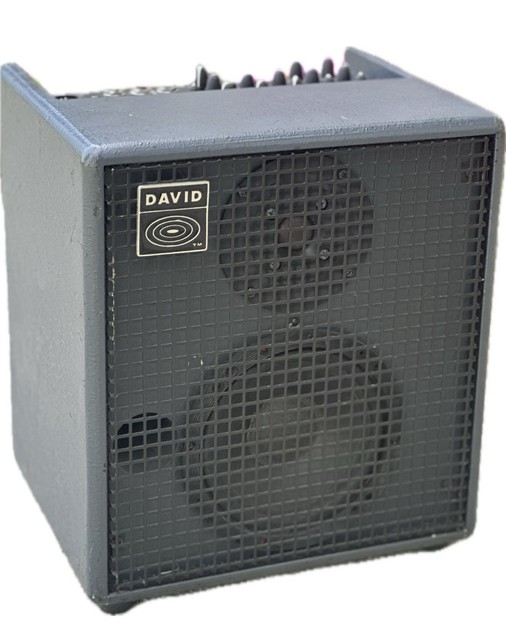
A Swiss-made boutique combo built around a dome tweeter and 5-inch woofer, popular specifically among classical and flamenco players who want the most natural instrument reproduction available in a compact cabinet. It’s a smaller-format alternative to the AER Compact 60 at a broadly similar price, for players who value portability as much as tone.
- 50W bi-amplified output (dome tweeter + 5″ woofer)
- Combo XLR/quarter-inch input
- Switchable 48V and 10V phantom power
- Compact wood or synthetic cabinet
- Built specifically around natural acoustic-instrument reproduction
- Popular with classical and flamenco players for its tone
- Compact cabinet is easy to carry to a lesson or recital
- Single channel and input limits it if you want a separate mic and instrument feed at once
- Among the pricier options here for the power on offer

Fender Acoustic 100
A 100-watt single-speaker combo with a phantom-powered mic channel, Bluetooth streaming, and a dedicated feedback control knob. It’s built for small-venue gigging on a limited budget, offering more raw power per dollar than most on this list, though its voicing leans broadly toward steel-string “acoustic” tone rather than anything tuned specifically for nylon strings.
- 100W output, 1×8″ speaker plus tweeter
- Two channels: instrument plus XLR mic with phantom power
- Bluetooth streaming and digital reverb/chorus
- Dedicated feedback control knob
- Strong power-to-price ratio for a small-venue gigging amp
- Dedicated feedback knob is a direct, simple tool against feedback
- Bluetooth is handy for practicing along with backing tracks
- Voiced broadly for acoustic instruments rather than nylon strings specifically, so it can sound bright unless EQ’d down
- Single 8″ speaker gives less low-end fullness than the two-speaker options here
Buying tips
- If your guitar uses a piezo pickup, look for an amp with a dedicated notch filter or graphic EQ, not just a generic tone knob — piezos have specific frequency peaks that a notch filter targets directly.
- If you play with a clip-on or soundhole microphone instead of a pickup, make sure the amp has an XLR input with phantom power; a plain instrument-only amp won’t power a condenser mic.
- Start every gig at a lower volume than feels necessary and raise it gradually — the hollow classical guitar body feeds back well before an electric guitar would at the same level.
- A 30 to 60-watt combo is plenty for practice, lessons, or a small unplugged room; save the 100-to-180-watt amps for rooms where you’re competing with other instruments or a PA.
- If the amp has a nylon-string or acoustic voicing mode, try it before reaching for the EQ — it often does more to remove the honky midrange than manual tone tweaking.
- Bring your own guitar to test an amp in person when you can; a piezo’s response varies enough between instruments that a demo unit dialed in for someone else’s guitar can sound different through yours.
- Battery-powered amps are worth the extra cost if you regularly play outdoors, at markets, or anywhere without a reliable outlet nearby.
- Keep the amp’s tweeter or high end modest rather than bright; classical guitar tone lives mostly in the low mids, and an overly bright setting exaggerates string and fingernail noise.
As an Amazon Associate and eBay Partner, toptenpick.com earns from qualifying purchases. Prices and availability are subject to change.