

As an Amazon Associate and eBay Partner, toptenpick.com earns from qualifying purchases. Prices and availability are subject to change.
A 150 watt high-pressure sodium lamp draws 150 watts of electricity and produces a small amount of light and a large amount of heat. That is not a defect — it is how the technology works, and every incandescent-family light source does the same thing. But it is the fact that decides whether a 150 W HPS is the right buy for you, and it is almost never mentioned in a product listing.
In a small space, the heat is the design constraint rather than a side effect. Nearly all of that 150 watts ends up as warmth in your tent or cupboard, and in a confined space that raises the temperature fast enough to stress the plants you bought the lamp for. So the real cost of an HPS setup is not the lamp — it is the ventilation you have to add to get rid of the heat: an inline fan, ducting, and often a carbon filter. That extra kit frequently costs more than the light did, and the fan draws its own power continuously.
HPS earned its reputation for good reasons. Its spectrum is heavy in the red and orange region that drives flowering, it is cheap to buy, and it is thoroughly understood. In a cold room or an unheated garage in winter, the heat is genuinely useful and you are getting warmth and light from one bill. But LED efficiency has moved a long way, and a modern LED producing equivalent usable light for a fraction of the heat has changed the arithmetic in small spaces specifically.
One more thing that catches people out and costs a whole grow. HPS lamps lose output substantially over time while still looking perfectly bright to your eye. Your eyes adapt; the plants do not. A bulb at the end of its rated life can be putting out a fraction of what it did when new and giving no visible sign at all. Replace on hours, not on failure — most manufacturers quote a replacement interval, and running past it is the most common invisible mistake in HPS growing.
Ten picks below, covering the lamp, the ballast and the ventilation the lamp makes necessary.
| # | Product | Price | Where to buy |
|---|---|---|---|
| 1 | 150 W HPS Complete Kit (Ballast, Reflector, Bulb) | $70-$160 | Amazon |
| 2 | Digital (Electronic) Ballast, 150 W | $50-$120 | Amazon · eBay |
| 3 | Replacement 150 W HPS Bulb | $15-$40 | Amazon |
| 4 | Inline Duct Fan with Speed Controller | $50-$150 | Amazon · eBay |
| 5 | Ducting and Carbon Filter | $40-$120 | Amazon · eBay |
| 6 | Digital Timer or Smart Plug | $15-$45 | Amazon |
| 7 | Digital Thermometer and Hygrometer with Min/Max | $12-$35 | Amazon · eBay |
| 8 | Adjustable Ratchet Light Hangers | $10-$25 | Amazon · eBay |
| 9 | Small LED Grow Light as an Alternative | $80-$250 | Amazon · eBay |
| 10 | Small Clip Fan for Air Movement | $15-$35 | Amazon · eBay |
The picks, in detail
150 W HPS Complete Kit (Ballast, Reflector, Bulb)
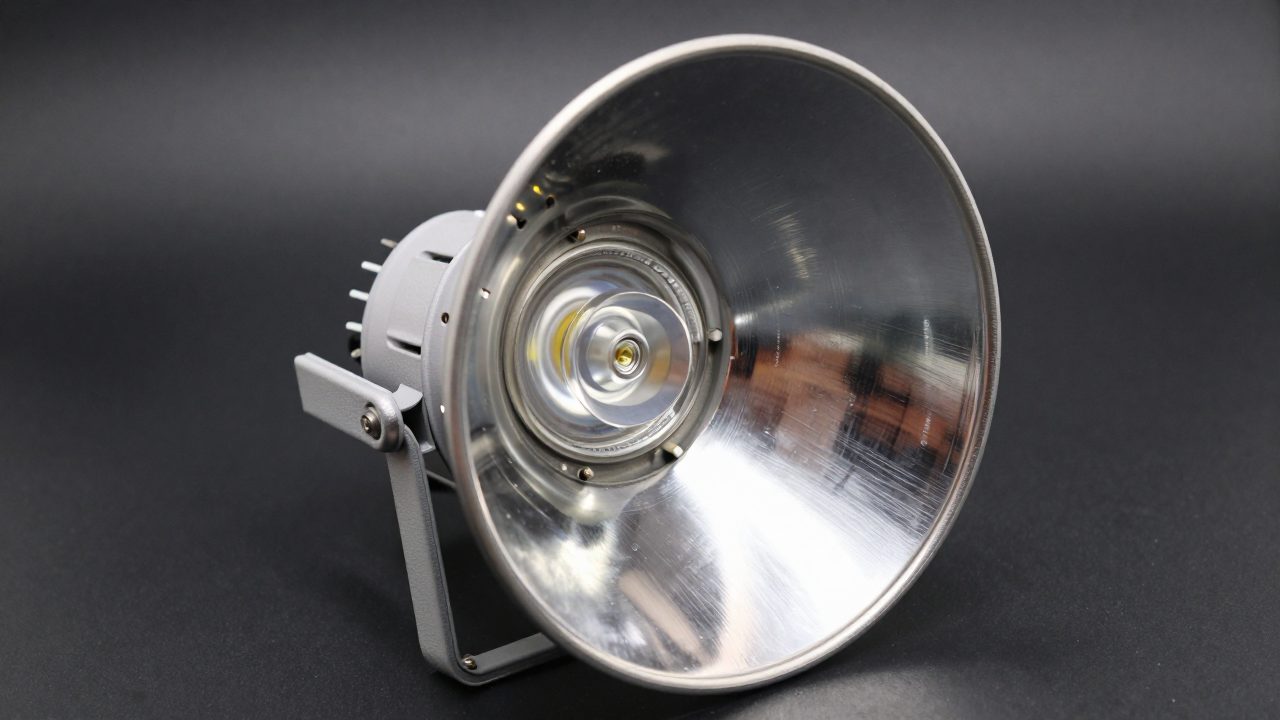
The sensible way to buy into HPS, because the three components have to match. A complete kit gives you a ballast rated for 150 W, a reflector designed for the bulb’s shape and a lamp that fits both — which removes the most common beginner mistake of pairing a bulb with a ballast of the wrong wattage. Kits usually include the hanging hardware too. Check whether the ballast is magnetic or digital before buying; the difference matters more than the price gap suggests.
- Matched 150 W ballast, reflector and lamp
- Hanging hardware and cord included
- Reflector shaped for the specific bulb
- Magnetic or digital ballast options
- Everything is matched, so nothing is mismatched
- Cheapest route into a working HPS setup
- Includes the hardware people forget to buy
- Kit reflectors are usually basic
- Bundled bulbs are often the cheapest available

Digital (Electronic) Ballast, 150 W
Worth the upgrade over a magnetic ballast, for three practical reasons. It runs cooler and quieter, it is dramatically lighter — a magnetic 150 W ballast is a heavy lump of copper and iron — and it fires the lamp more efficiently, which means more light for the same electricity. Many digital ballasts also offer dimming, which is genuinely useful in a small space where a lamp at full output would cook the tent. The only argument for magnetic is price and simplicity.
- Electronic switching rather than a transformer
- Dimming on most models
- Much lighter and cooler than magnetic
- Often switchable between HPS and MH lamps
- More light per watt than a magnetic ballast
- Dimming lets you manage heat in a small space
- Far lighter to hang and quieter in operation
- Cheap digital ballasts can emit radio interference
- More expensive than a magnetic equivalent
Replacement 150 W HPS Bulb
Buy a spare with the kit, because this is the consumable that fails invisibly. HPS lamps lose a substantial share of their output well before they stop lighting, and your eye cannot see it happening. Note the install date on the bulb or in a calendar and replace at the manufacturer’s stated interval regardless of whether it still looks fine. Enhanced-spectrum and dual-spectrum lamps exist and are worth a modest premium for a lamp that will do both vegetative and flowering duty.
- 150 W high-pressure sodium lamp
- Standard mogul or medium base depending on fixture
- Enhanced and dual-spectrum versions available
- Manufacturer-quoted replacement interval
- Cheap relative to the crop it protects
- Enhanced spectrum lamps suit mixed-stage growing
- A spare on the shelf means no lost days
- Output falls long before the lamp visibly fails
- Contains materials requiring proper disposal

Inline Duct Fan with Speed Controller
The component that makes the whole thing viable, and the one people discover they need after buying the light. A 150 W lamp puts essentially all of its energy into your space as heat, and in a small tent that raises temperature fast. An inline fan pulls hot air out and fresh air in. Size it to your tent volume and get one with a speed controller, so you can run it slower and quieter when the light is off. Budget for this at the same time as the lamp, not afterwards.
- 4 to 6 inch inline duct fan
- Variable speed controller
- Quoted airflow in cubic feet or metres per minute
- Mounting brackets included
- The essential answer to HPS heat
- Speed control means it can run quietly at night
- Also refreshes the CO2 the plants use
- Often costs as much as the light itself
- Cheap fans are noisy and vibrate

Ducting and Carbon Filter
The other half of the ventilation. Insulated or foil ducting carries the hot air out, and a carbon filter on the intake side of the fan removes odour before the air leaves — which matters more than people expect with any strongly scented plant. The practical advice is to buy ducting one size larger than you think and keep the runs short and straight: every bend costs airflow, and a long snaking duct can halve what your fan actually moves.
- Insulated or foil flexible ducting
- Activated carbon filter sized to the fan
- Duct clamps included
- Matching diameters throughout the run
- Short straight runs preserve fan performance
- Carbon filters remove odour effectively
- Insulated ducting reduces noise and heat radiating back
- Carbon filters are consumable and need replacing
- Every bend in the ducting costs real airflow
Digital Timer or Smart Plug
Non-negotiable, because photoperiod is not optional for most plants and human memory is unreliable. A grounded, properly rated timer switches the light on and off to a fixed schedule — and the rating matters, since a cheap timer switching an inductive ballast load can weld its contacts. Look for one rated well above the lamp’s draw and designed for inductive loads. A smart plug adds logging, so you can confirm the light actually ran while you were away.
- Grounded, heavy-duty timer rated for inductive loads
- Daily repeating schedule
- Smart versions log actual on-time
- Manual override
- Photoperiod consistency is essential for most plants
- Smart plugs confirm the light actually ran
- Cheap relative to a failed crop
- Under-rated timers weld shut on ballast loads
- Mechanical timers lose their setting after a power cut
Digital Thermometer and Hygrometer with Min/Max
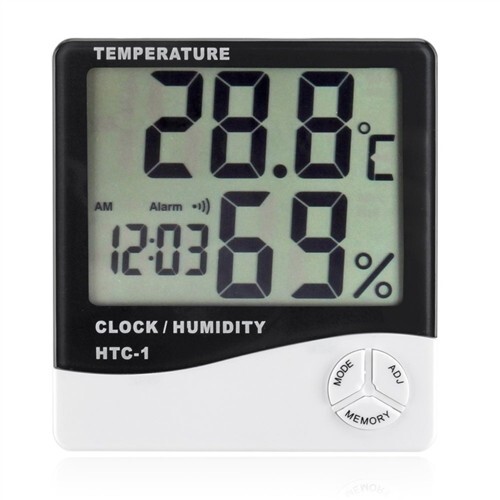
The instrument that tells you whether your ventilation is coping. Temperature and humidity at canopy level are the two numbers that decide whether the heat from the lamp is a problem, and min/max recording catches the peak in the middle of the light cycle when you are not watching. Put the probe at plant height, not at the top of the tent, since a few degrees of difference is normal and the plants only experience one of them.
- Temperature and relative humidity
- Min/max recording
- Remote probe for canopy-level placement
- Wireless models log to a phone
- Shows whether the ventilation is actually coping
- Min/max catches the peak you never see
- Very cheap
- Cheap hygrometers read several points out
- Position matters — measure at the canopy

Adjustable Ratchet Light Hangers
Distance is your intensity control, and with a hot lamp it is also your temperature control at the canopy. Ratchet hangers let you raise or lower the fixture an inch at a time with one hand, so you can respond immediately to leaves showing heat stress instead of restringing a chain. Buy a pair rated well above the weight of your fixture and ballast — the failure mode is a hot lamp landing on your plants, and the price difference between adequate and generous is trivial.
- Pair of ratchet hangers with carabiners
- Typically rated to 75 lb or more per pair
- One-handed height adjustment
- Fits any fixture with hanging points
- Precise height adjustment in seconds
- Height is both intensity and heat control
- Cheap and reusable
- Needs a solid anchor point above
- Cheap ratchets slip under load
Small LED Grow Light as an Alternative
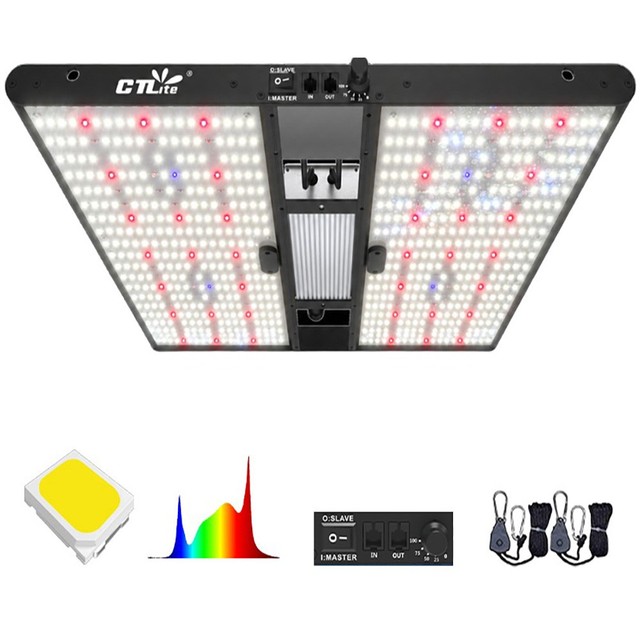
Included because for many people reading this it is the better answer, and it deserves a fair statement rather than being ignored. A modern LED producing equivalent usable light draws less power and produces far less heat, which in a small space can remove the need for the fan, the ducting and the filter entirely — and that saving frequently exceeds the price difference. HPS still wins on upfront cost, and in a cold room its heat is genuinely useful. Compare PPFD at a stated distance, not watts.
- Full-spectrum white LED
- Far less waste heat for equivalent light
- Dimmable on most models
- PPFD figures quoted at stated distances
- Can remove the need for ventilation in a small space
- Much lower running cost
- Silent, with no bulb to replace
- Higher purchase price than an HPS kit
- The heat from HPS is genuinely useful in a cold room

Small Clip Fan for Air Movement
Different from the extraction fan and just as important. An inline fan exchanges the air in the space; a clip fan moves it around inside, which strengthens stems, prevents the pocket of hot stagnant air that forms directly under a lamp, and dramatically reduces mould and fungal problems. Aim it across the canopy rather than at it — a constant direct blast dries leaves out. One small oscillating clip fan is enough for a tent of this size.
- Clip mount for tent poles and shelves
- Oscillating on better models
- Multiple speeds
- Very low power consumption
- Breaks up the hot pocket under the lamp
- Strengthens stems and reduces fungal problems
- Costs and consumes almost nothing
- Aimed directly at plants it dries them out
- Cheap clips break and the fan falls
Buying tips
- Budget for ventilation at the same time as the lamp. A 150 W HPS puts essentially all of its energy into your space as heat, and in a small tent that is the binding constraint. The inline fan, ducting and filter frequently cost more than the light. Working this out afterwards is the single most common surprise in this category.
- Replace the bulb on hours, not on failure. HPS lamps lose a large share of their output long before they stop lighting, and your eye adapts so you will not notice. Write the install date on the bulb and replace it at the manufacturer’s interval. Running an old lamp is the most common invisible mistake in HPS growing and it costs a whole crop’s worth of growth.
- Measure PPFD at canopy height, not watts at the wall. Watts describe electricity consumed. What the plant experiences is the photon flux arriving on the leaf, which depends on distance, on the reflector and on how old the bulb is. A meter — even a phone-based one — turns all of this from guesswork into a number.
- Distance controls both intensity and leaf temperature. With a hot lamp those two things are linked, and raising the fixture a few inches fixes leaf scorch faster than anything else. Ratchet hangers make that a one-handed adjustment. Check the leaves closest to the lamp regularly — bleaching and curling upward are the early warnings.
- Get a digital ballast rather than magnetic if you can. More light per watt, far lighter to hang, cooler, quieter, and usually dimmable — which in a small space is genuinely useful because you can turn the lamp down when the tent gets too warm. The only argument for magnetic is a lower purchase price.
- Use a timer rated for inductive loads. A cheap timer switching a ballast can weld its contacts closed, which leaves the light on permanently — and a photoperiod-sensitive plant will not forgive that. Buy a heavy-duty grounded timer rated well above the lamp’s draw, and consider a smart plug so you can confirm it actually ran.
- Add a small clip fan as well as the extraction fan. The inline fan exchanges air; the clip fan moves it around inside, which breaks up the hot stagnant pocket that forms directly under a lamp and greatly reduces mould. Aim it across the canopy rather than at it, so the plants move without being dried out.
- Compare the total cost honestly against LED. HPS is cheaper to buy and its heat is genuinely useful in a cold room. But in a small warm space, an LED that removes the need for a fan, ducting and a filter often costs less overall — and it costs far less to run. Work out your own numbers rather than accepting either side’s received wisdom.
As an Amazon Associate and eBay Partner, toptenpick.com earns from qualifying purchases. Prices and availability are subject to change.