

As an Amazon Associate and eBay Partner, toptenpick.com earns from qualifying purchases. Prices and availability are subject to change.
Before you buy anything, one number settles almost every argument about 12V hair dryers. A mains hair dryer at home draws somewhere between 1,200 and 2,000 watts. A 12V hair dryer that plugs into a cigarette-lighter socket draws about 120 to 180 watts — because that is all the socket can deliver. Ten to fifteen amps at twelve volts is the hard ceiling, and it is set by the wiring and the fuse, not by the manufacturer’s ambition.
So a 12V hair dryer is not a weaker hair dryer. It is roughly a tenth of the appliance, and it is more honestly described as a warm-air blower. Understanding that up front prevents the single most common disappointment in this category: people buy one, find it takes twenty minutes to do what their bathroom dryer does in four, and conclude they bought a bad product. They did not. They bought the only product physics allows at that socket.
That leaves three real options, and choosing between them is the actual decision. One: accept the 12V blower for what it is — genuinely useful for short hair, for taking the wet out before air-drying, for demisting and for drying gloves and boots. Two: run a normal mains dryer through a large inverter, which means a 1,500 W-plus unit wired directly to the battery with heavy cable, a leisure battery bank that can supply well over a hundred amps, and an acceptance that a few minutes of drying will take a serious bite out of your capacity. Three: use a mains dryer only on hookup, and carry a microfibre towel for everywhere else.
There is one thing you must not do, and it appears in almost every forum thread on this subject: never run a mains hair dryer through a small inverter plugged into a cigarette socket. A 200 W plug-in inverter cannot feed a 1,500 W dryer, the socket cannot pass that current, and the result is a melted plug at best. The list below covers all three routes honestly, starting with the 12V units themselves.
| # | Product | Price | Where to buy |
|---|---|---|---|
| 1 | 12V Cigarette-Socket Hair Dryer, 150-180 W | $25-$50 | Amazon |
| 2 | 12V Hair Dryer with Hard-Wired or Fused Lead | $35-$70 | Amazon |
| 3 | Heavy-Duty 12V Socket and Plug Upgrade | $10-$30 | Amazon · eBay |
| 4 | Pure Sine Wave Inverter, 1,500-2,000 W | $200-$600 | Amazon · eBay |
| 5 | Heavy Cable, Lugs and Battery Fuse Kit | $40-$150 | Amazon |
| 6 | Low-Wattage Travel Hair Dryer (Mains) | $20-$50 | Amazon · eBay |
| 7 | 12V Battery Monitor / Shunt | $60-$180 | Amazon · eBay |
| 8 | Microfibre Hair Towel or Turban | $10-$25 | Amazon · eBay |
| 9 | 12V Heated Travel Styling Brush | $25-$60 | Amazon |
| 10 | Portable Power Station, 500 Wh and Up | $300-$900 | Amazon · eBay |
The picks, in detail
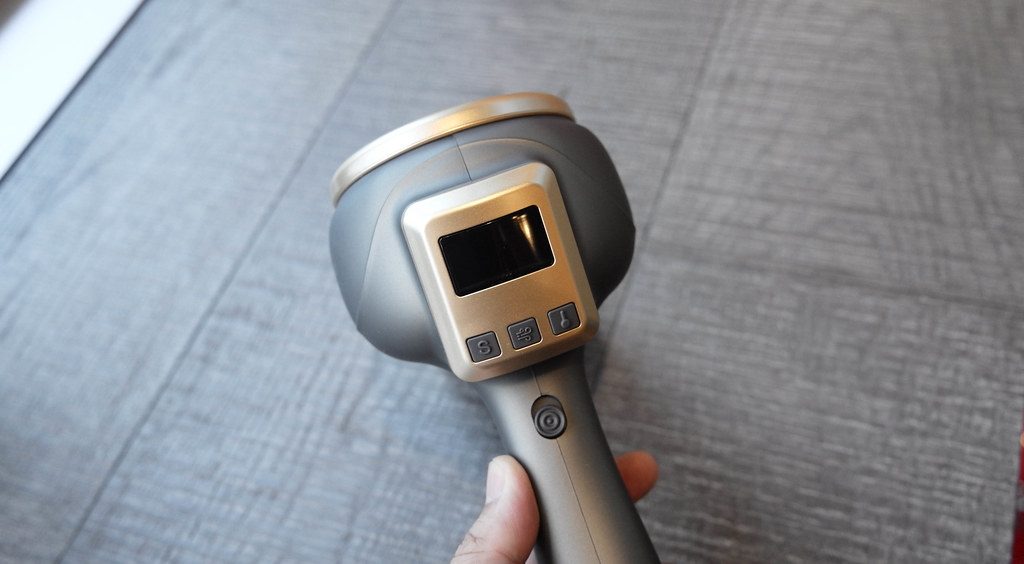
12V Cigarette-Socket Hair Dryer, 150-180 W
The mainstream product in this category, and the one most people mean when they search for it. Expect around 150 to 180 watts, two heat settings, two speeds, and a coiled lead with a cigarette plug. Within its limits it works: it will take a towel-dried short-to-medium head from damp to dry in a reasonable time, and it is genuinely useful for drying gloves, boots and a misted windscreen. Judge it against a warm-air blower, not against your bathroom dryer, and it is a perfectly good purchase.
- 150-180 W draw at 12 V (roughly 12-15 A)
- Two heat and two speed settings on most models
- Coiled lead with a cigarette-lighter plug
- Folding handle on travel-oriented models
- Runs directly from the vehicle with no inverter
- Compact enough to live in a locker
- Useful for gloves, boots and demisting as well as hair
- Roughly a tenth of the heat output of a mains dryer
- Needs a socket genuinely rated for 15 A or more
12V Hair Dryer with Hard-Wired or Fused Lead
The version that solves the weak link. The cigarette-lighter plug is the most common failure point in this whole category — a spring-loaded contact making a marginal connection while passing twelve amps, which is exactly the recipe for heat and a melted socket. A model supplied with a fused lead you can wire to a proper connector, or connect directly to a fused 12V circuit, removes that. If your van already has a 12V distribution panel, this is the better buy by a wide margin.
- Inline fuse on the supply lead
- Can be wired to a dedicated 12 V circuit
- Same 150-180 W output class
- Often supplied with ring or spade terminals
- Eliminates the marginal cigarette-socket contact
- Inline fuse protects the cable, not just the appliance
- A tidier permanent installation
- Needs a 12 V circuit or a wiring job to install
- Less convenient to move between vehicles

Heavy-Duty 12V Socket and Plug Upgrade
If you are going to pull twelve to fifteen amps through a socket repeatedly, it is worth having a socket built for it. Many factory accessory outlets are rated at ten amps and are simply not designed for this duty; a proper heavy-duty socket with a screwed connection and 15 or 20 A rating is a few dollars and a far better contact. The same goes for the plug end — a replacement plug with a screw-down terminal and a correctly sized fuse beats the moulded plug most cheap appliances ship with.
- 15-20 A rated socket with screw terminals
- Replacement plugs with integral fuse holders
- Panel or surface mount options
- Weatherproof caps available
- Directly addresses the main failure point
- Cheap relative to the appliance it protects
- Improves every other 12 V device you use
- Requires a small amount of wiring work
- Does nothing for undersized existing cable

Pure Sine Wave Inverter, 1,500-2,000 W
The route to running a real hair dryer, and it must be a hard-wired unit — never a plug-in one. A 1,500 W dryer pulls well over 130 amps from a 12 V bank once you account for conversion losses, which means short, thick cable runs direct to the battery, a properly sized fuse at the battery end, and a battery bank that can actually deliver that current without collapsing. Modest use is fine: five minutes of drying is a small fraction of a decent lithium bank. Sustained use is not a 12 V proposition.
- 1,500-2,000 W continuous rating
- Pure sine wave output for motor and heater loads
- Direct battery connection with heavy cable
- Remote on/off panel on better units
- Runs an ordinary mains hair dryer at full power
- Powers everything else in the van as well
- Pure sine output is safe for sensitive electronics
- Draws well over 130 A — needs a serious battery bank
- Installation involves heavy cable and a battery-side fuse
Heavy Cable, Lugs and Battery Fuse Kit
If you go the inverter route, this is not optional and it is not the place to economise. At 130-plus amps, undersized cable does not simply waste energy — it gets hot, the voltage at the inverter sags, and the inverter shuts down on low voltage while the battery still shows charged. Buy the cable size the inverter manufacturer specifies for your run length, crimped lugs rather than twisted joints, and a correctly rated fuse or breaker within a few inches of the battery positive terminal. That fuse is the one component protecting everything else.
- Welding-grade flexible cable in the size the inverter specifies
- Crimped and heat-shrunk lugs
- ANL or MRBF fuse rated for the inverter
- Fuse holder for mounting at the battery
- The difference between a working inverter and one that keeps cutting out
- The battery fuse is the primary fire protection in the system
- Crimped lugs stay tight where twisted joints loosen
- Heavy cable is surprisingly expensive per metre
- Proper crimping needs a hydraulic tool or a shop
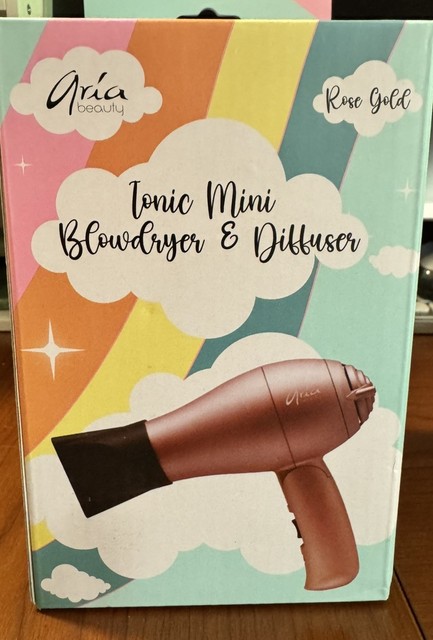
Low-Wattage Travel Hair Dryer (Mains)
The overlooked middle path. Travel dryers with a switchable low setting around 700 to 1,000 watts exist, and they halve the inverter and battery requirement compared to a full-size 2,000 W dryer while still being a real hair dryer. On hookup they run straight from the mains. Off hookup, a 1,000 W setting is a far more realistic ask of a modest inverter and battery bank than 2,000 W is. Dual-voltage models also cover international travel, which is a genuine bonus for anyone touring.
- 700-1,000 W low setting
- Folding handle, travel sized
- Dual-voltage models for international use
- Runs from hookup with no inverter at all
- A real hair dryer, at half the load of a full-size one
- Far more achievable for a mid-size inverter
- Works on hookup with no extra equipment
- Still needs an inverter off hookup
- Slower than a full-power mains dryer

12V Battery Monitor / Shunt
The instrument that turns guesswork into numbers. A shunt-based monitor sits in the negative battery lead and counts amps in and out, so you can see exactly what the hair dryer costs you and what the battery has left. Anyone contemplating an inverter should fit one first — it converts “I think we have enough battery” into a figure. It also catches the classic caravan problem of a battery that reads healthy at rest and collapses the moment a heavy load is applied, which is the specific failure that strands people.
- Shunt in the negative lead, measures true current
- Displays voltage, amps, amp-hours and state of charge
- Bluetooth models log history to a phone
- Programmable low-voltage alarms
- Turns battery capacity from a guess into a number
- Reveals a weak battery before it strands you
- Essential planning tool before any inverter purchase
- Installation means breaking into the negative lead
- Needs correct battery capacity programming to read accurately

Microfibre Hair Towel or Turban
The genuinely unglamorous answer, and the one that makes the 12V dryer work well rather than badly. Microfibre pulls far more water out of hair than a cotton towel does, and ten minutes wrapped up front-loads the job so that the 150 W blower only has to finish it. Given that the entire problem in this category is a shortage of watts, removing the water mechanically before you apply any heat is the highest-leverage thing on this list. It weighs nothing, costs very little and needs no power at all.
- High-absorbency microfibre
- Twist-and-loop turban designs stay put
- Dries quickly itself, which matters in a van
- Packs down very small
- Removes most of the water before any power is used
- Zero electrical load
- Makes a 12 V dryer genuinely practical
- Not a dryer — it shortens the job, it does not replace it
- Cheap microfibre pills and loses absorbency
12V Heated Travel Styling Brush
A different way to spend the same handful of watts. Rather than heating a large volume of moving air, a heated brush puts a much smaller amount of heat directly against the hair, which is a far more efficient use of a tightly limited power budget. For straightening and finishing it can achieve more at 100 watts than a blower does at 180. It will not dry soaking hair — nothing at this power level will — but as the second step after a microfibre towel it is a sensible use of a 12V circuit.
- Around 100 W or less at 12 V
- Heated bristles for styling and finishing
- Cigarette-socket or USB-C powered models
- Compact enough for a drawer
- Better use of limited watts than heating bulk air
- Lower current draw than a 12 V dryer
- Doubles as a styling tool
- Cannot dry properly wet hair
- Long hair takes a lot of passes

Portable Power Station, 500 Wh and Up
The modular alternative to a fixed inverter install, and for many caravanners the better answer. A power station with a 1,000 W-plus inverter output will run a low-wattage travel dryer directly, no wiring, no battery-side fuse, no cable sizing. Check two numbers before buying: the continuous output rating must exceed your dryer’s actual draw, and the capacity in watt-hours tells you how many minutes you get. A 500 Wh unit running a 1,000 W dryer gives roughly half an hour in theory and rather less in practice.
- Integrated inverter, often 1,000-2,000 W
- 500 Wh upwards of lithium capacity
- Recharges from mains, vehicle or solar
- Multiple AC, USB and 12 V outputs
- No installation, no cable sizing, no wiring
- Moves between vehicle, tent and house
- Runs everything else you would want off-grid
- Expensive per watt-hour against a fitted battery bank
- Heavy, and takes up locker space
Buying tips
- Check what your socket is actually rated for, not what the appliance draws. Many factory accessory outlets are 10 A circuits, which is 120 W, and a 180 W dryer on one of those will blow fuses at best and cook the socket at worst. Look for a supply genuinely rated 15 A or more, or wire the dryer to a dedicated fused circuit. This is the single most common cause of trouble in this category.
- Never run a mains hair dryer from a plug-in cigarette-socket inverter. A 150-200 W plug-in inverter simply cannot supply a 1,500 W dryer, and the socket cannot pass the current even if the inverter could. The result is a melted plug, a blown fuse or a fire. A real hair dryer needs an inverter wired directly to the battery with heavy cable and a battery-side fuse. There is no shortcut.
- Do the watt-hour maths before you commit to the inverter route. A 1,500 W dryer for five minutes is about 125 Wh, which is roughly 10 Ah from a 12 V bank, plus conversion losses. That is quite affordable once a day from a decent lithium bank and completely unaffordable from a single tired lead-acid leisure battery. Work out your own number rather than hoping.
- Towel first, always. The entire constraint here is a shortage of watts, so remove as much water as you can mechanically before applying any at all. A good microfibre turban for ten minutes can halve the drying time that follows. This costs nothing and it is what makes a 150 W blower a usable appliance rather than a frustrating one.
- Do not judge a 12V dryer against your bathroom dryer. It has roughly a tenth of the power and it always will, because the socket sets the ceiling. Judged as a warm-air blower for short hair, for finishing, for gloves and boots and a misted screen, it is good value. Judged as a replacement for a mains dryer, every model on the market will disappoint you.
- Watch the running time, not just the current. Cigarette sockets and their plugs are designed for intermittent loads, and fifteen minutes at twelve amps is a sustained load. If the plug or socket feels warm, stop and check it — warmth means resistance, resistance means a poor contact, and a poor contact at twelve amps is how the melting starts.
- Run the engine or the hookup if you can. If the vehicle is running, the alternator is supplying the dryer rather than your leisure battery, and the whole capacity question goes away. The same applies on hookup. Saving the battery-powered option for when you genuinely have no other choice is the simplest possible way to manage the load.
- Fit a battery monitor before you buy an inverter, not after. A shunt-based monitor tells you exactly what your bank can deliver under load and how much it has left, and it very often reveals that the real problem is a tired battery rather than a lack of inverter. It is cheaper than the inverter and it will tell you whether the inverter is worth buying at all.
As an Amazon Associate and eBay Partner, toptenpick.com earns from qualifying purchases. Prices and availability are subject to change.